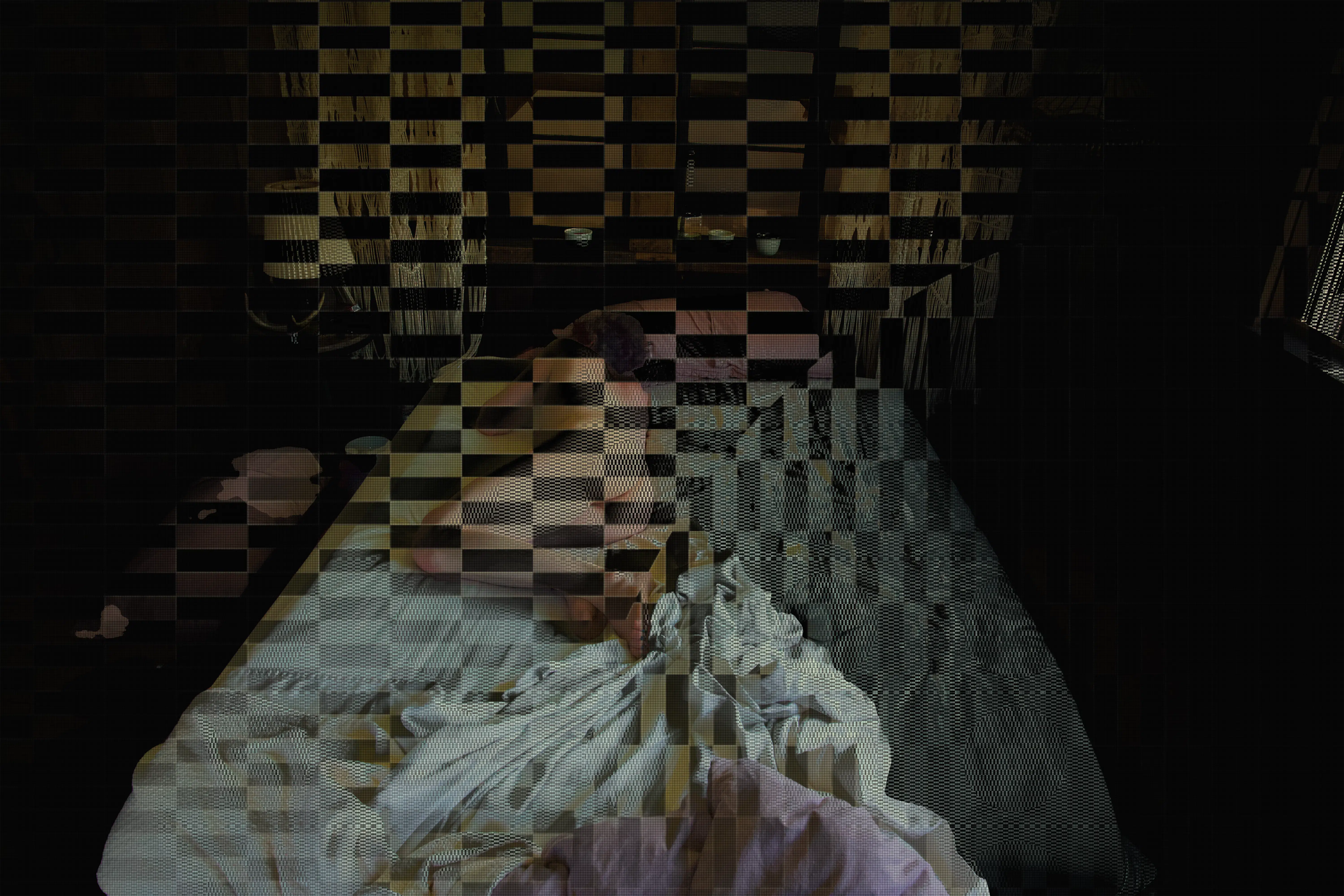
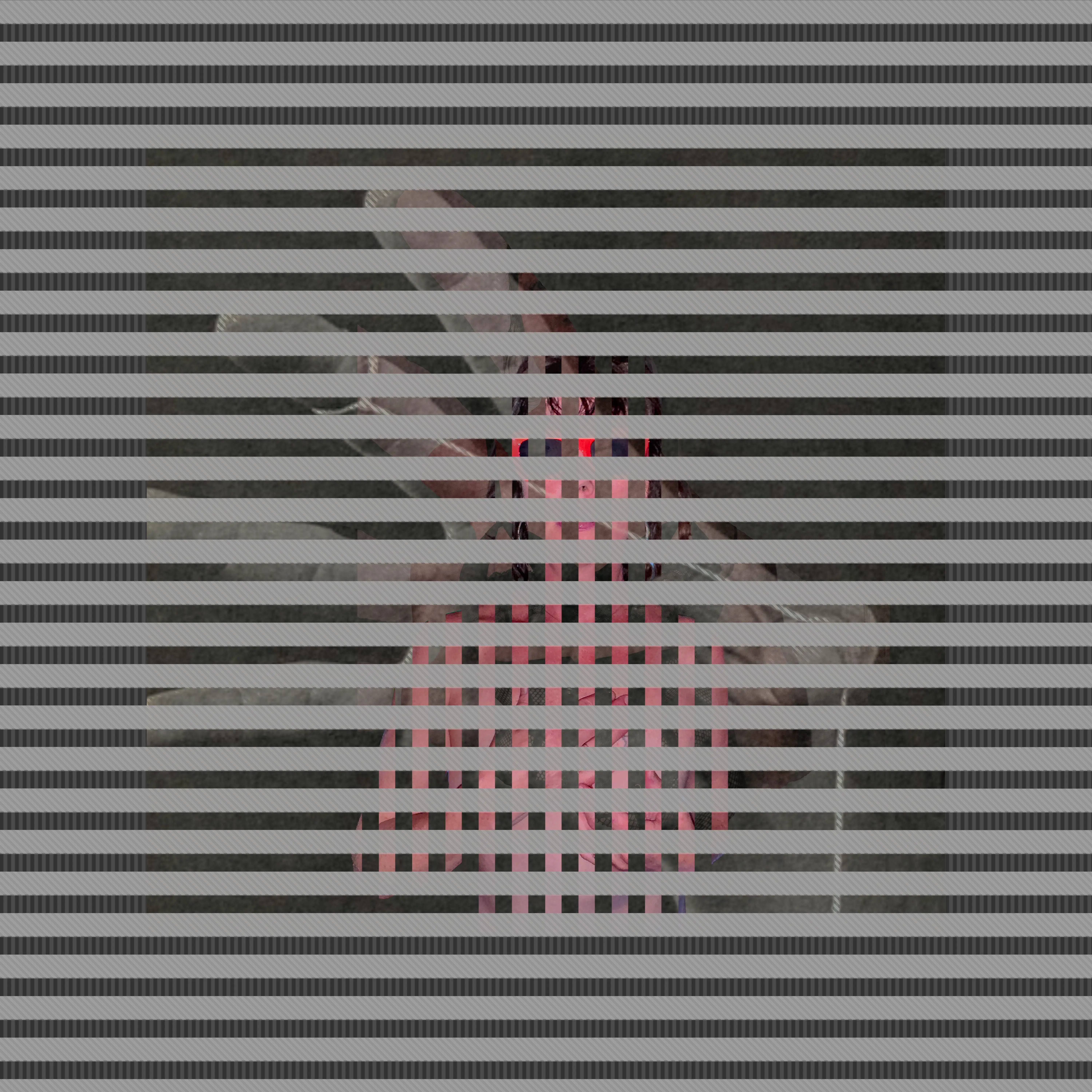
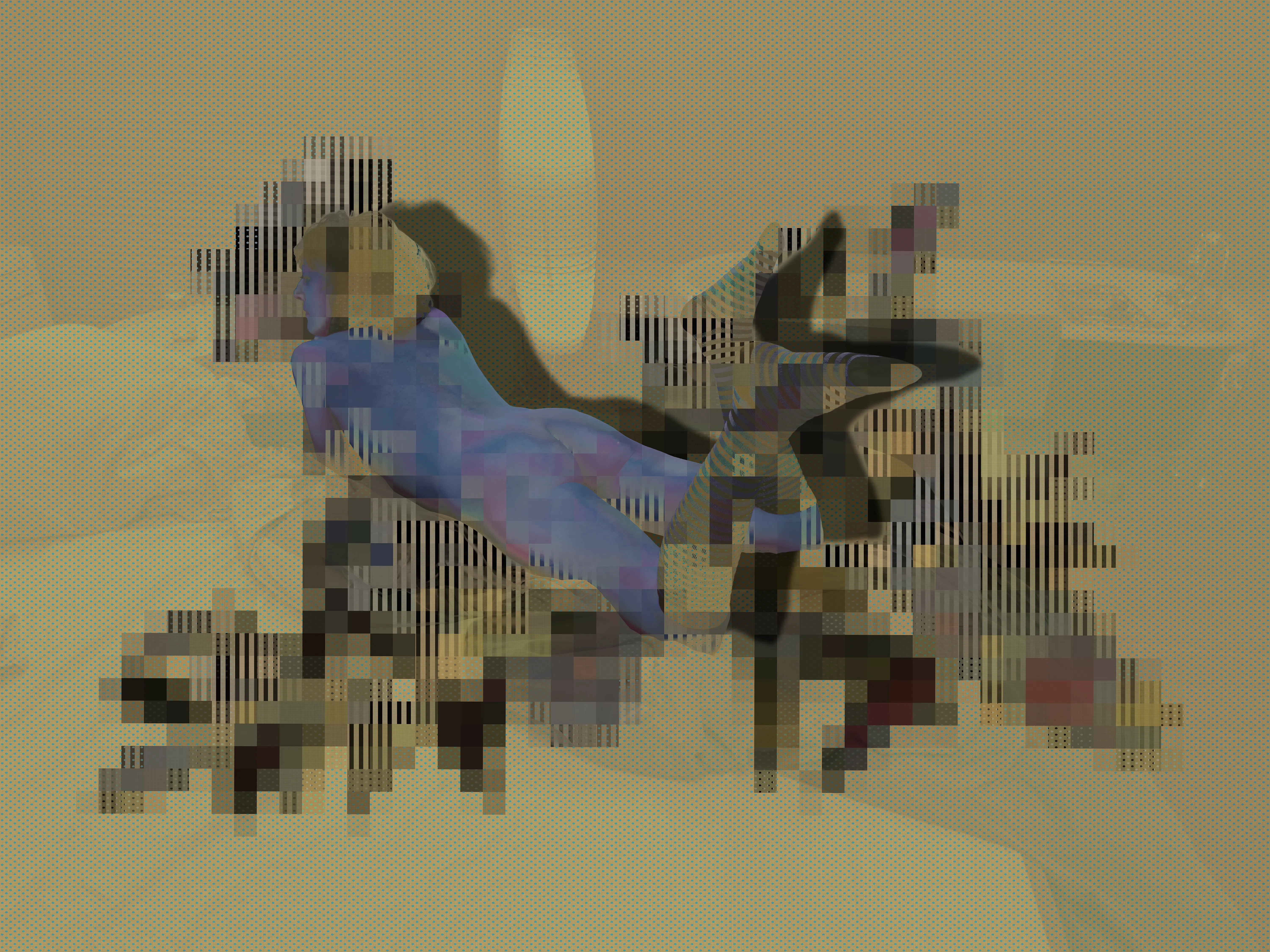
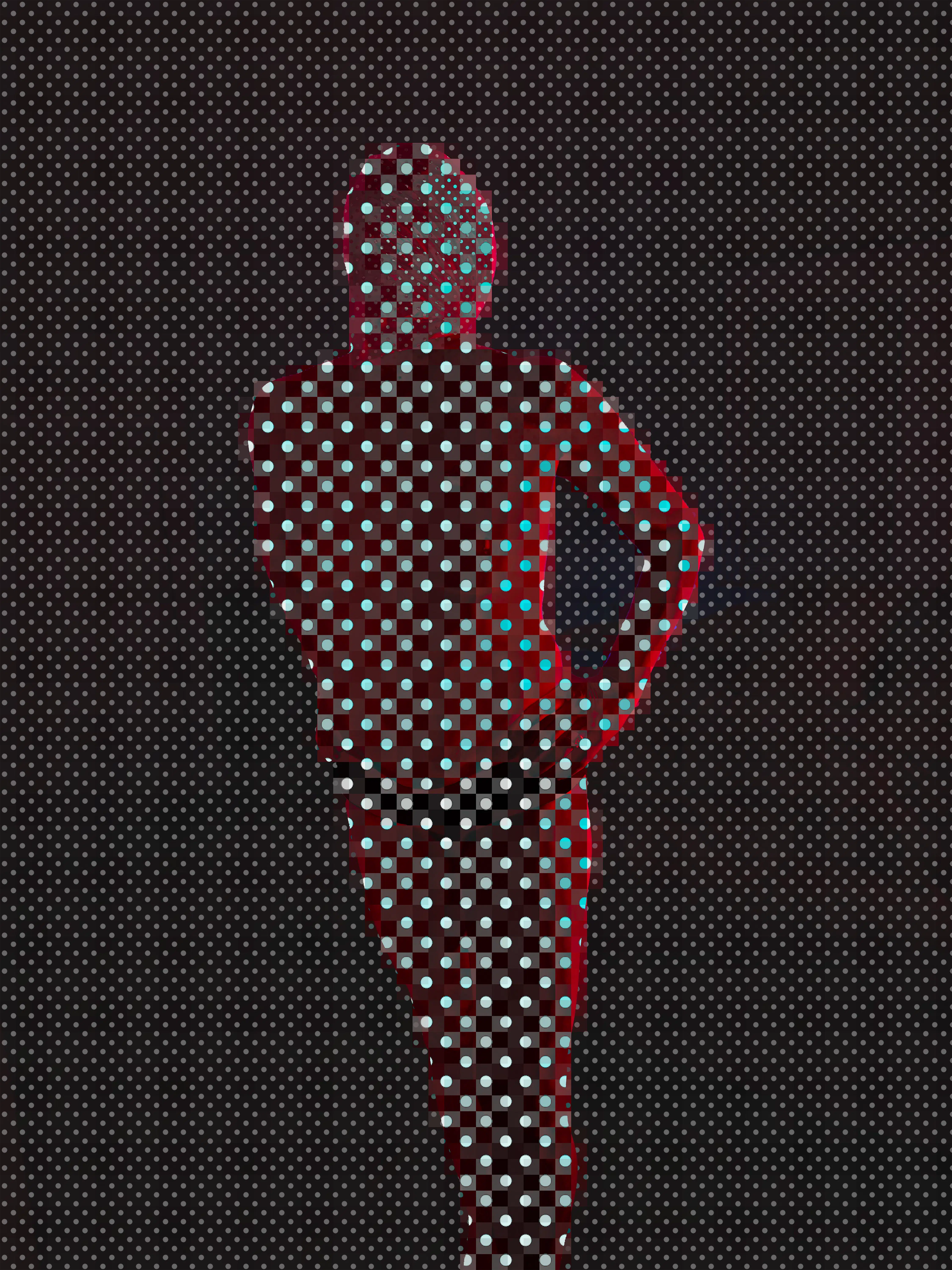
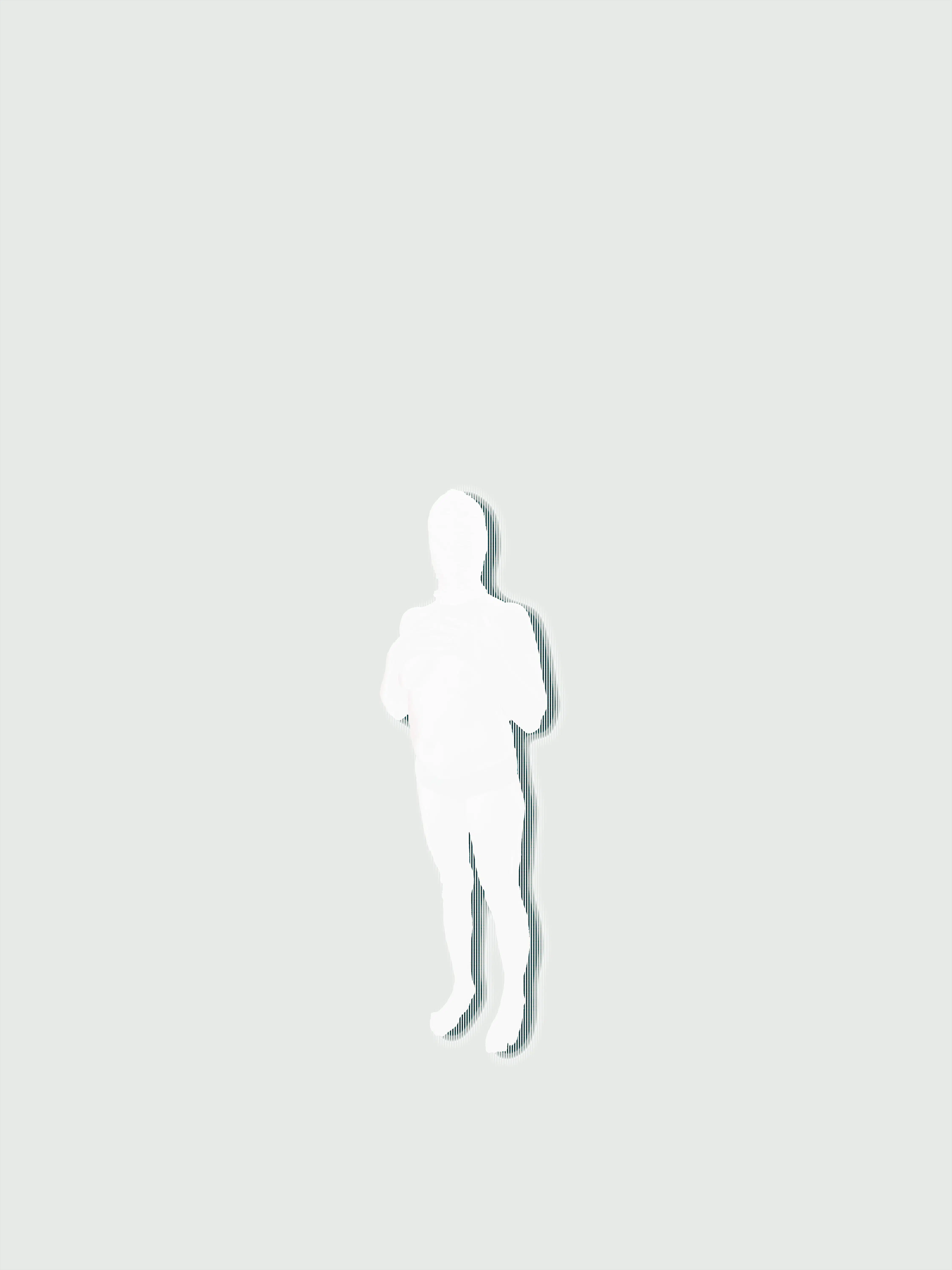
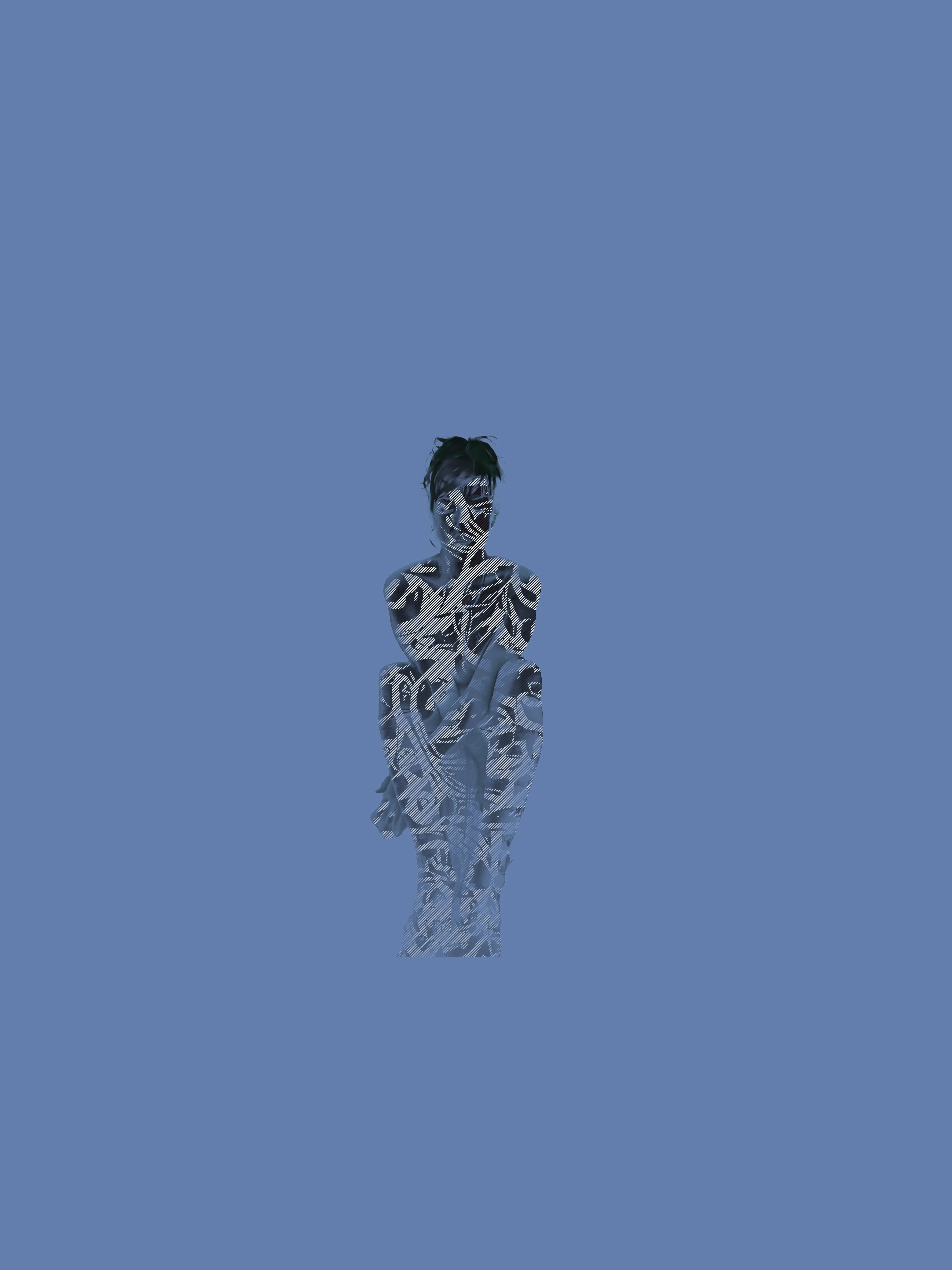
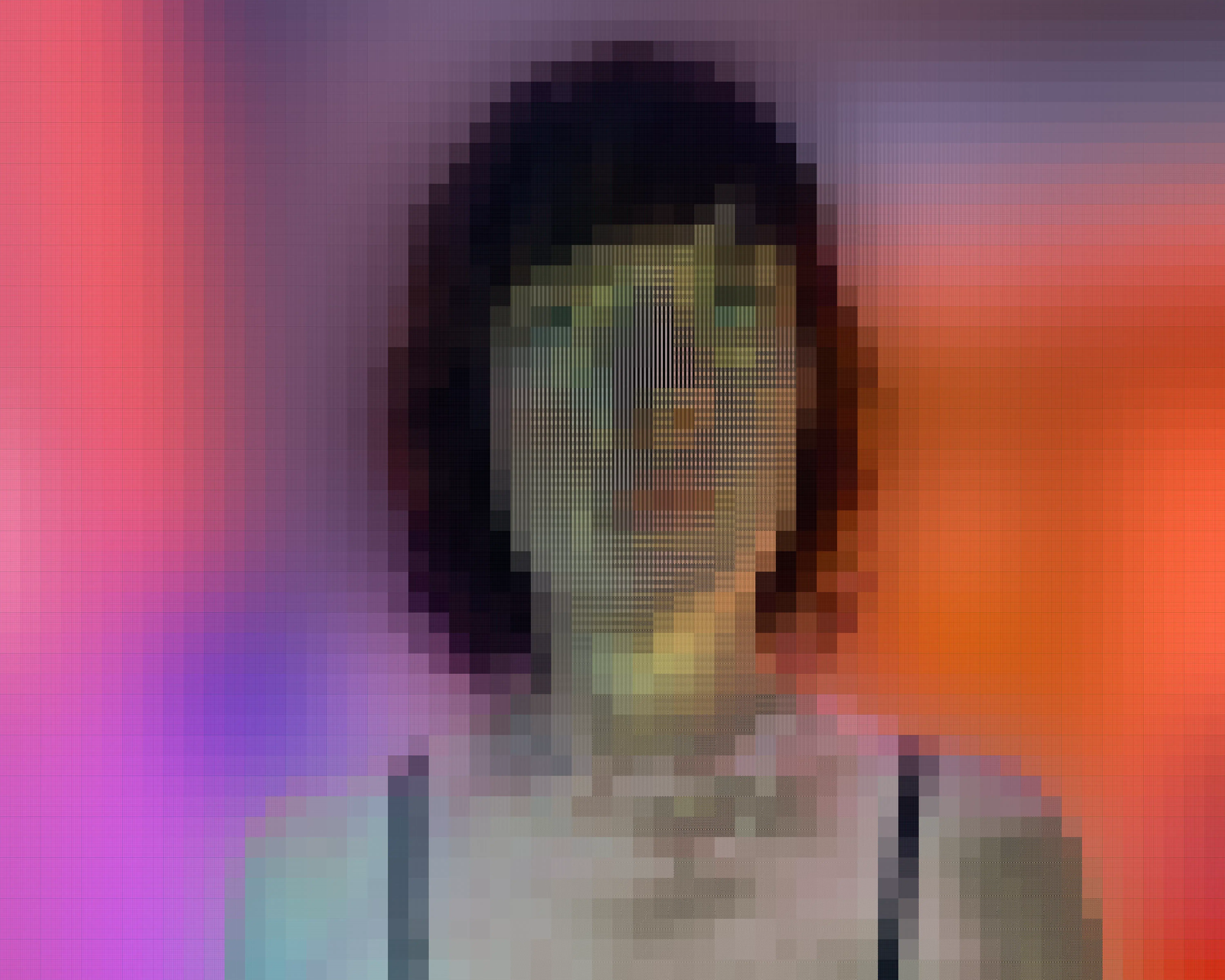
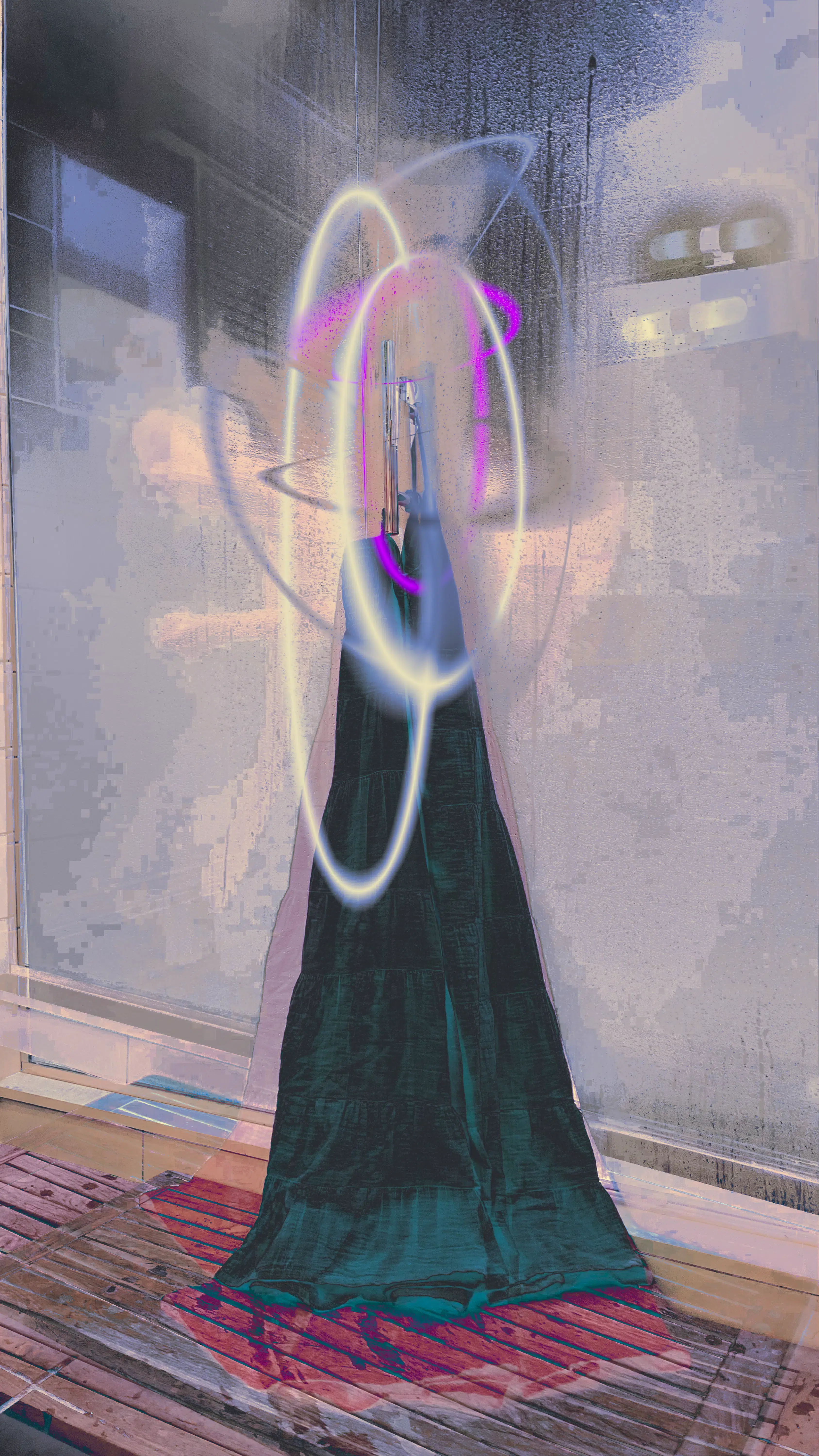
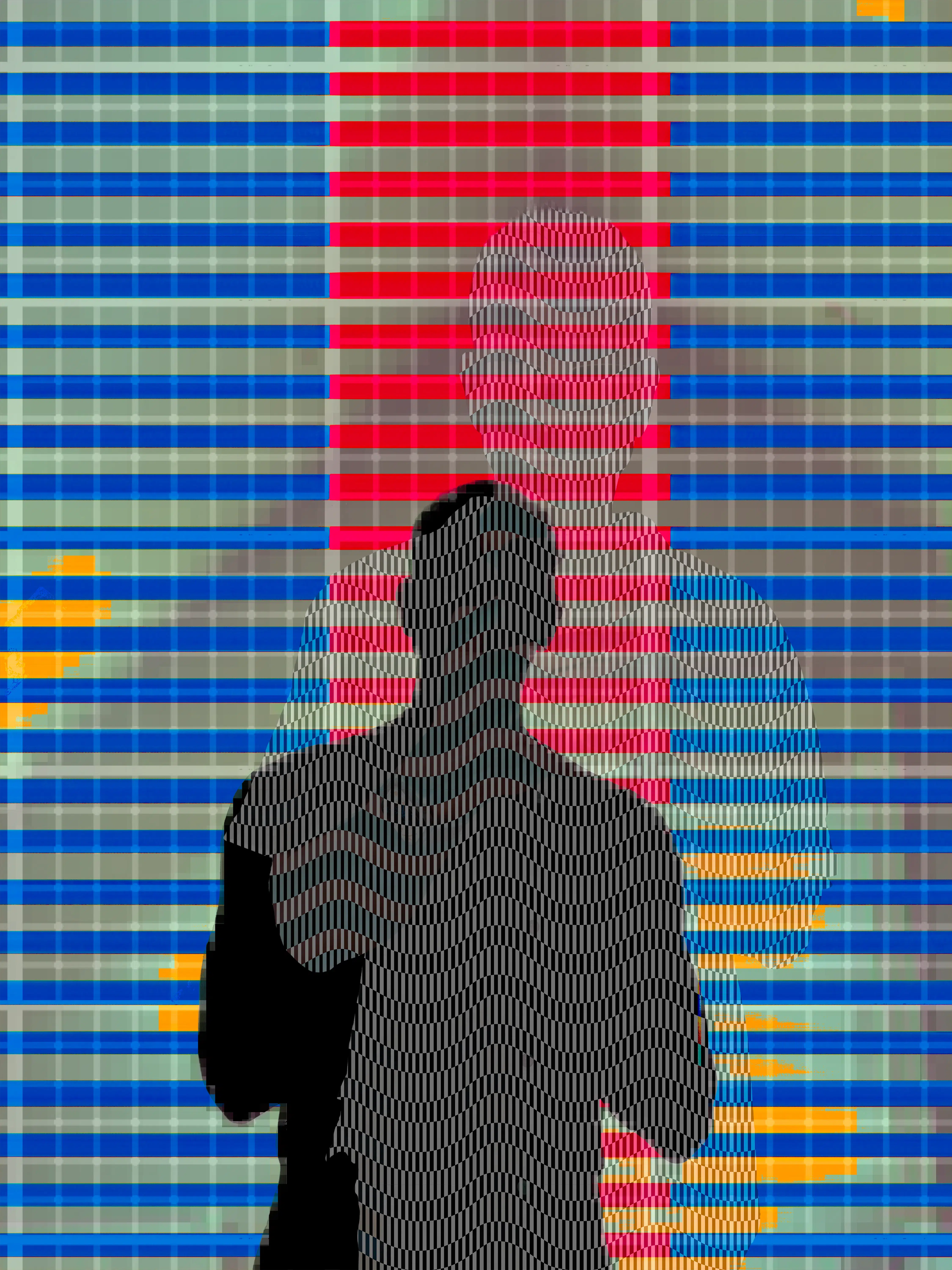
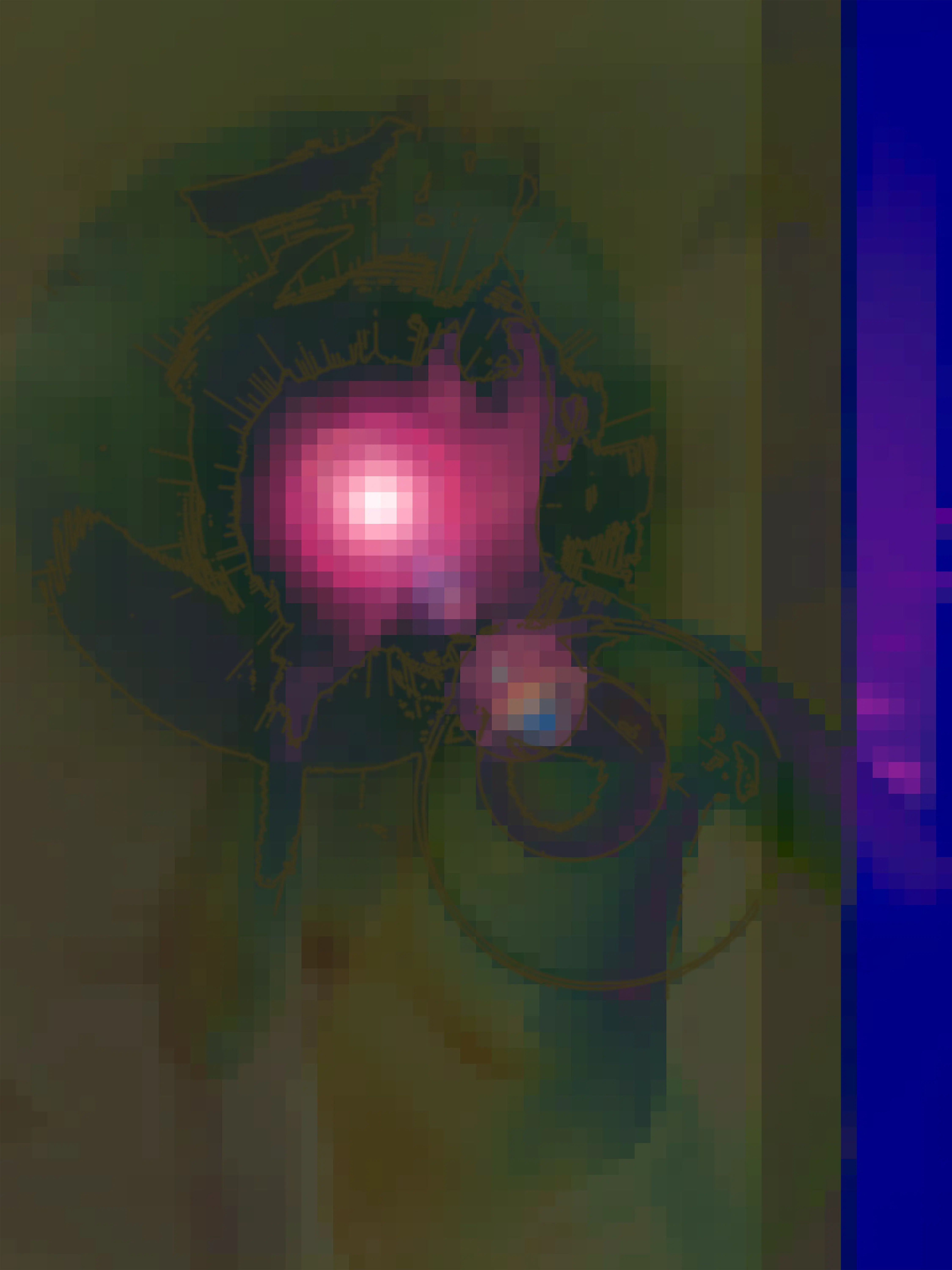
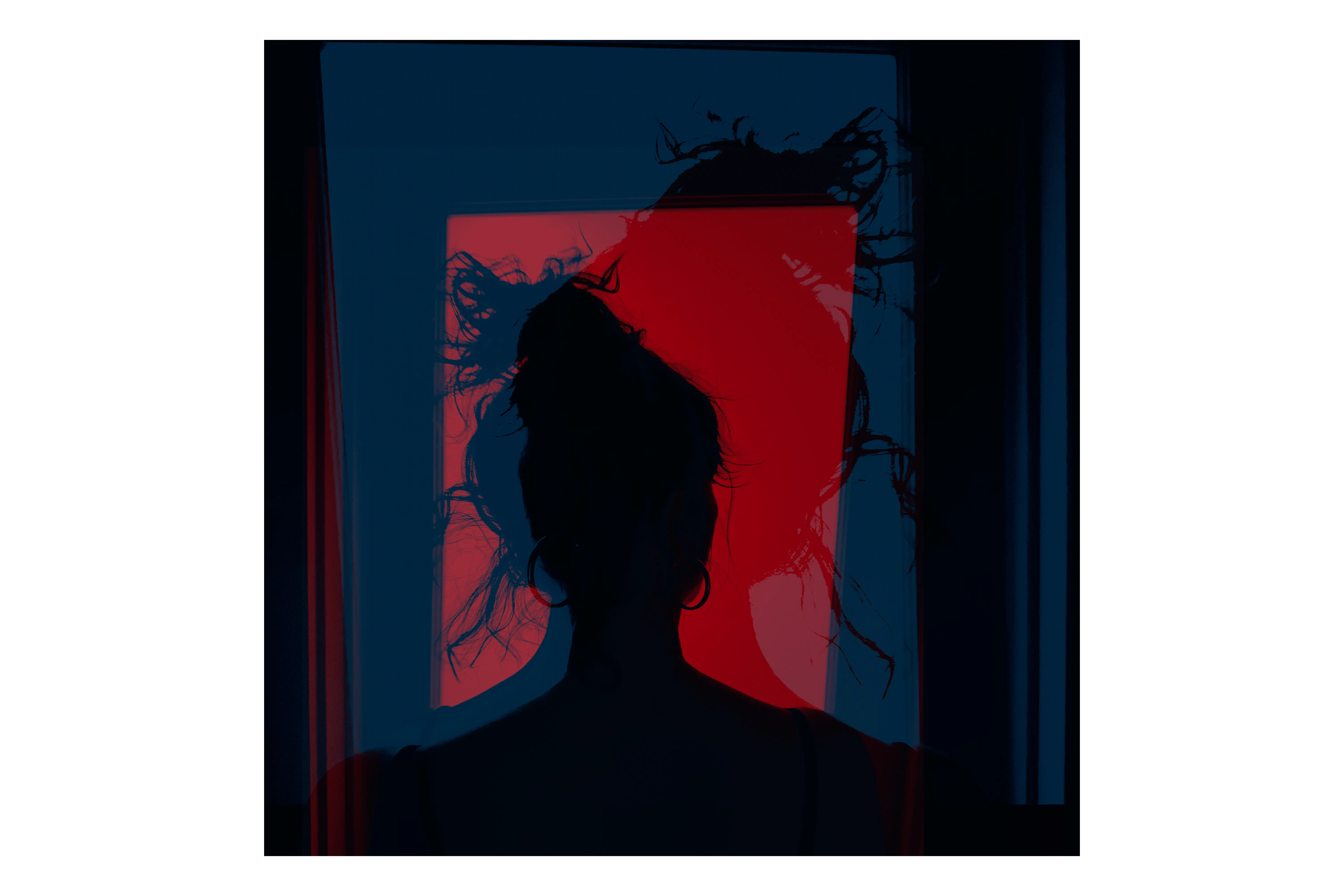
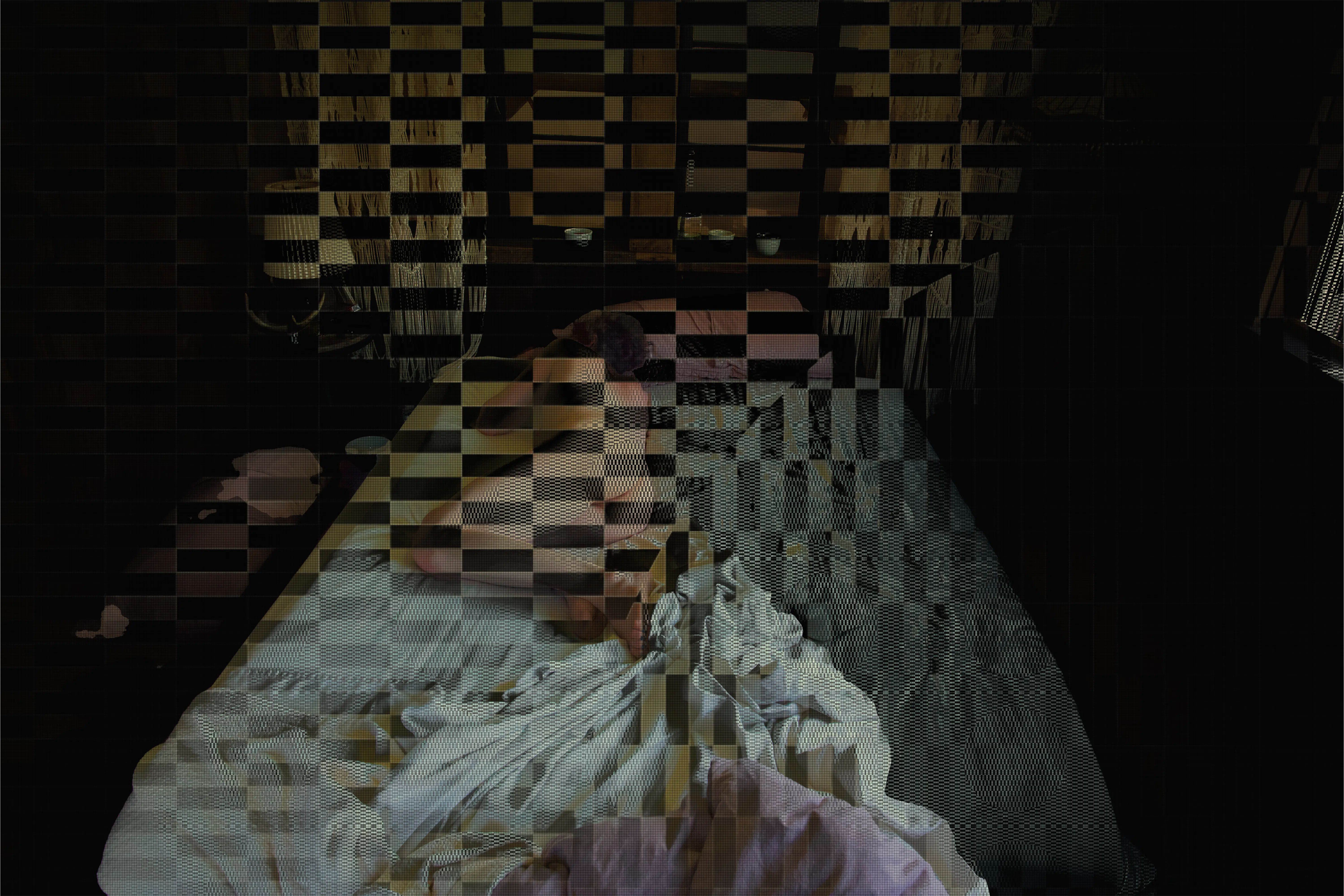
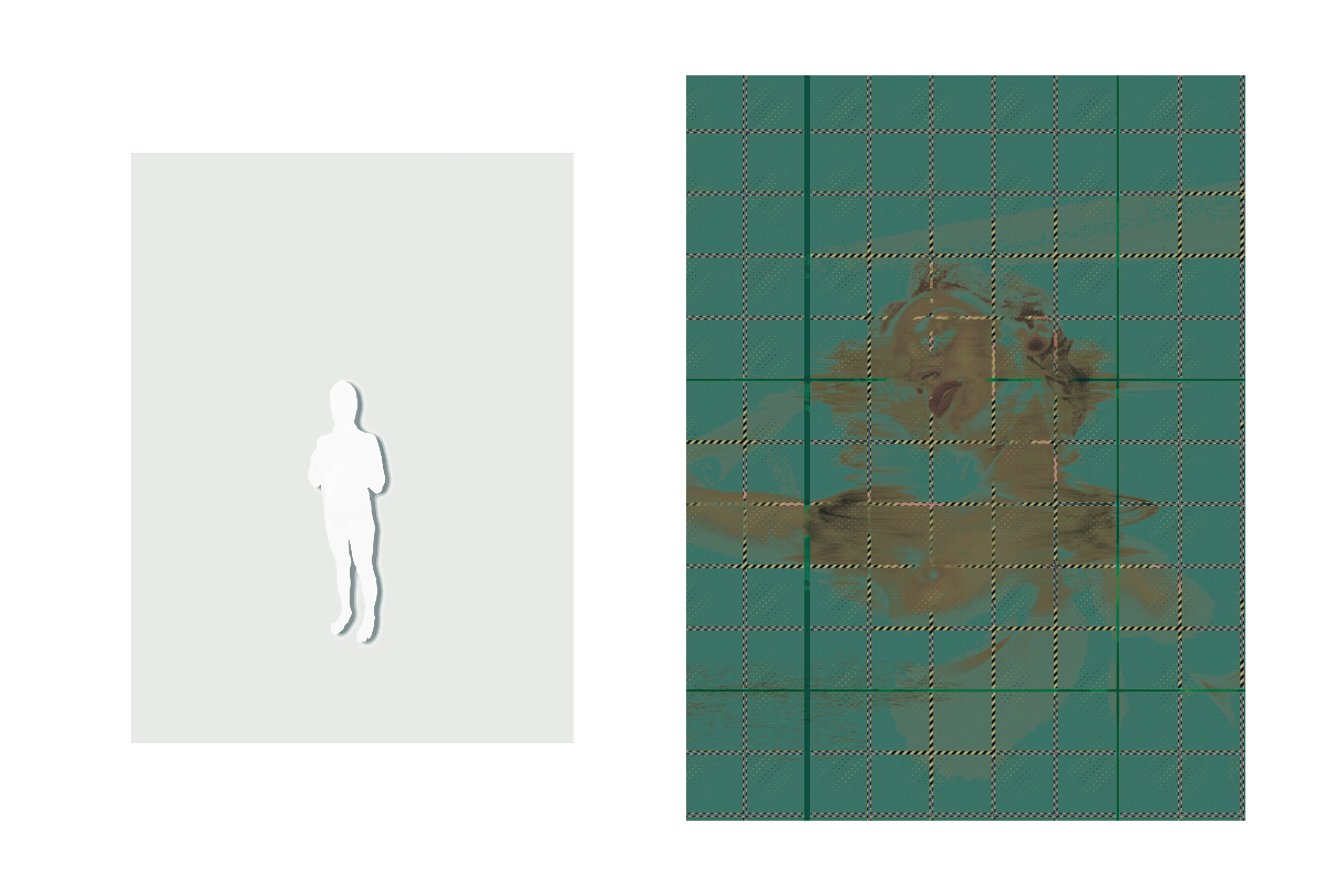
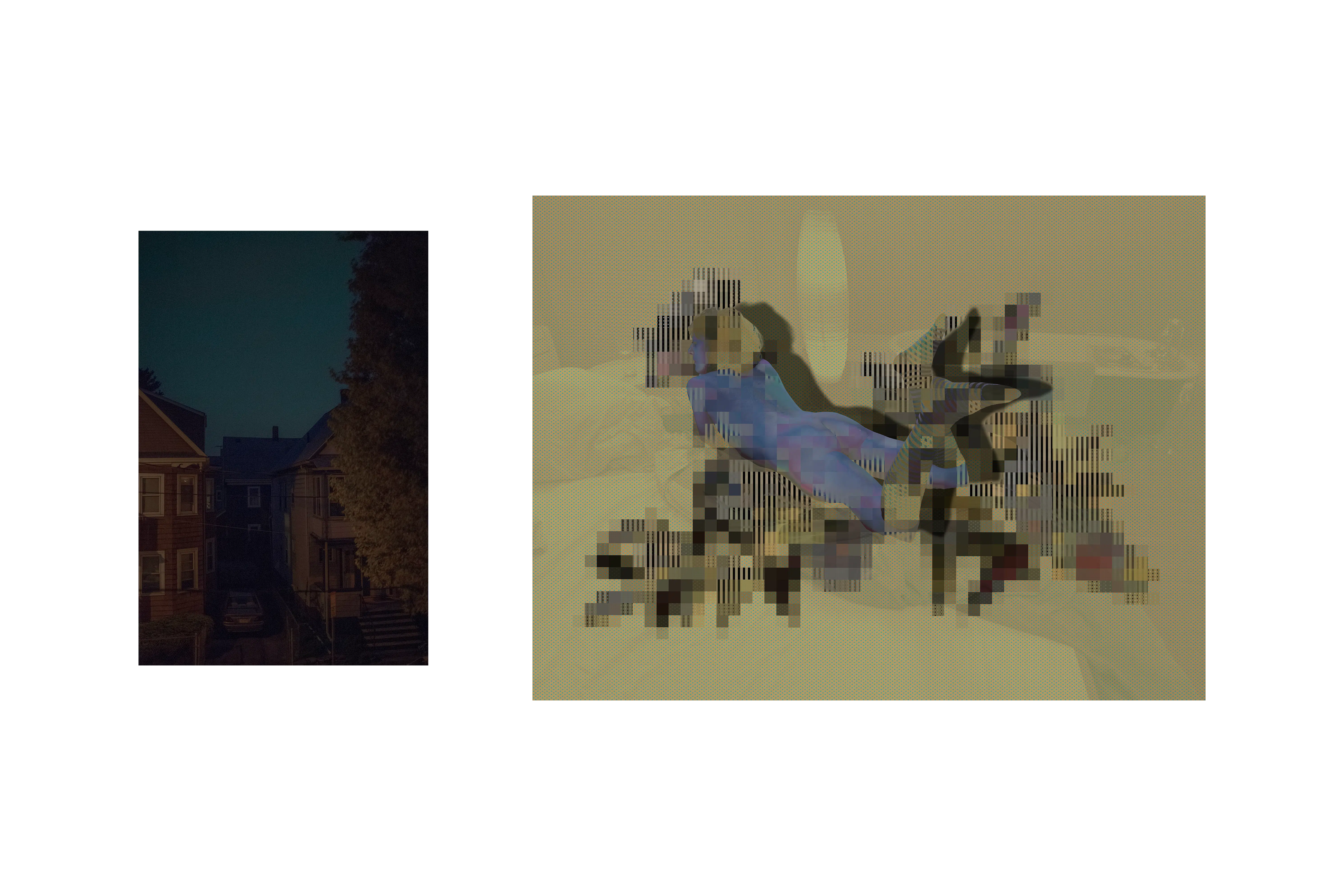
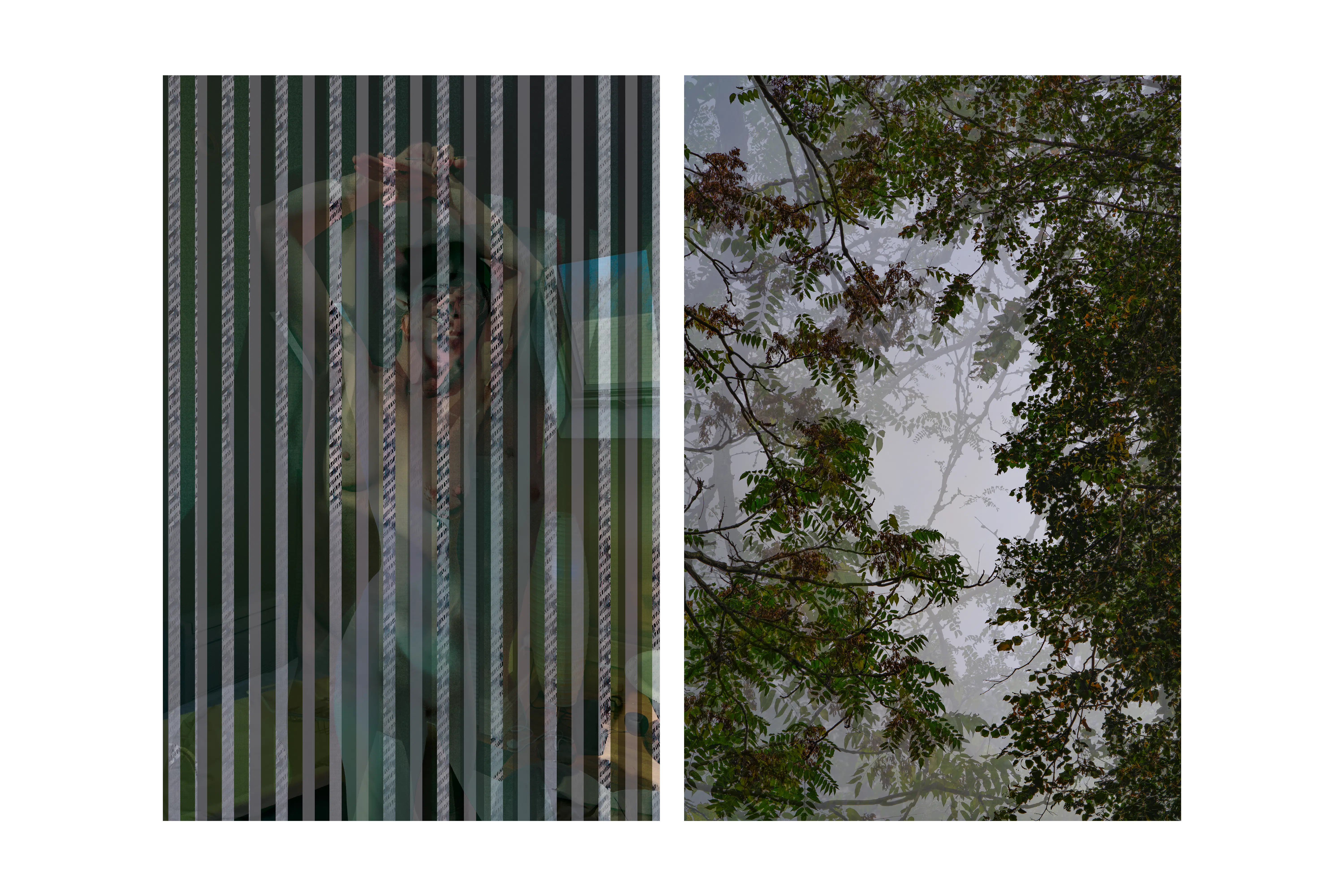
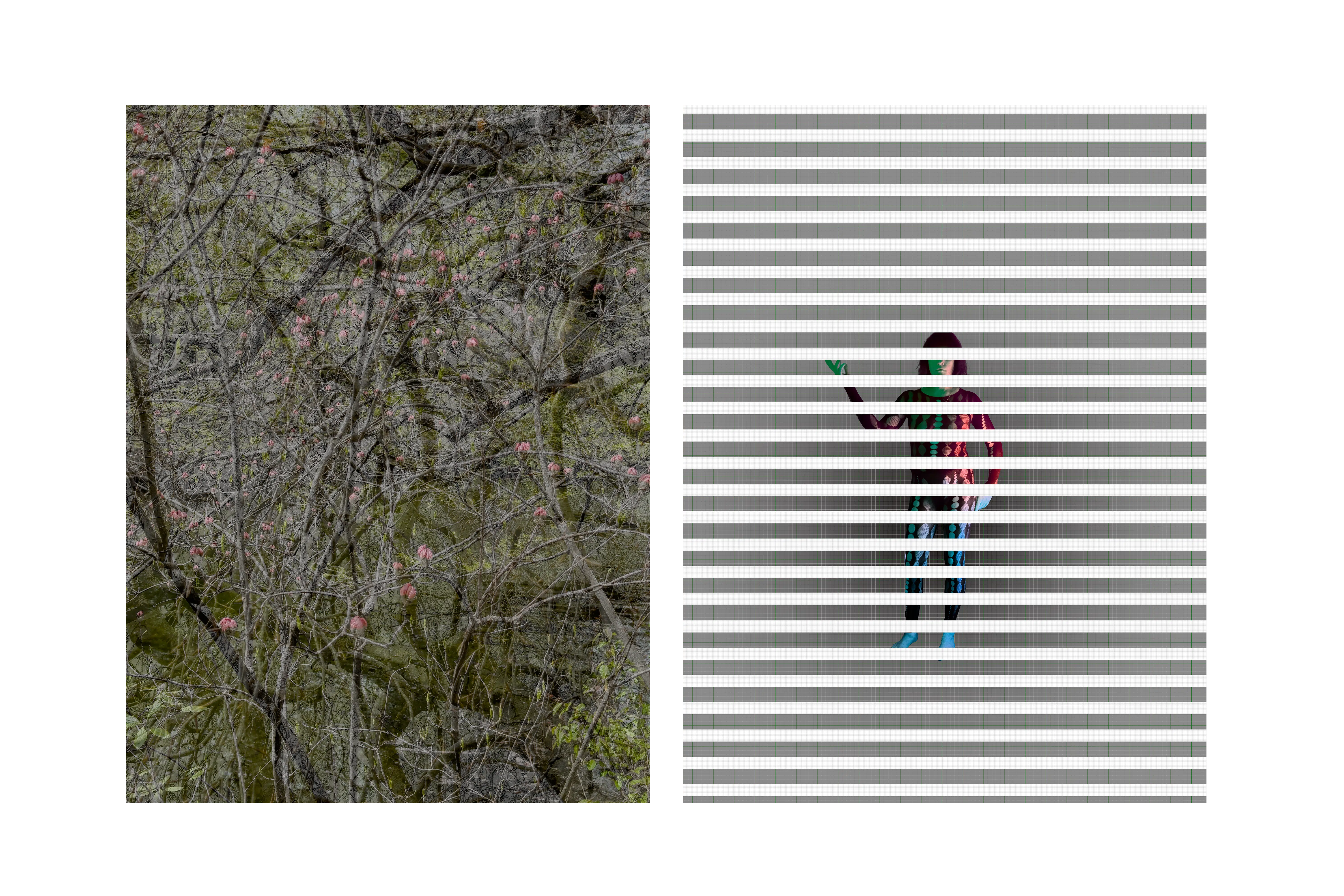
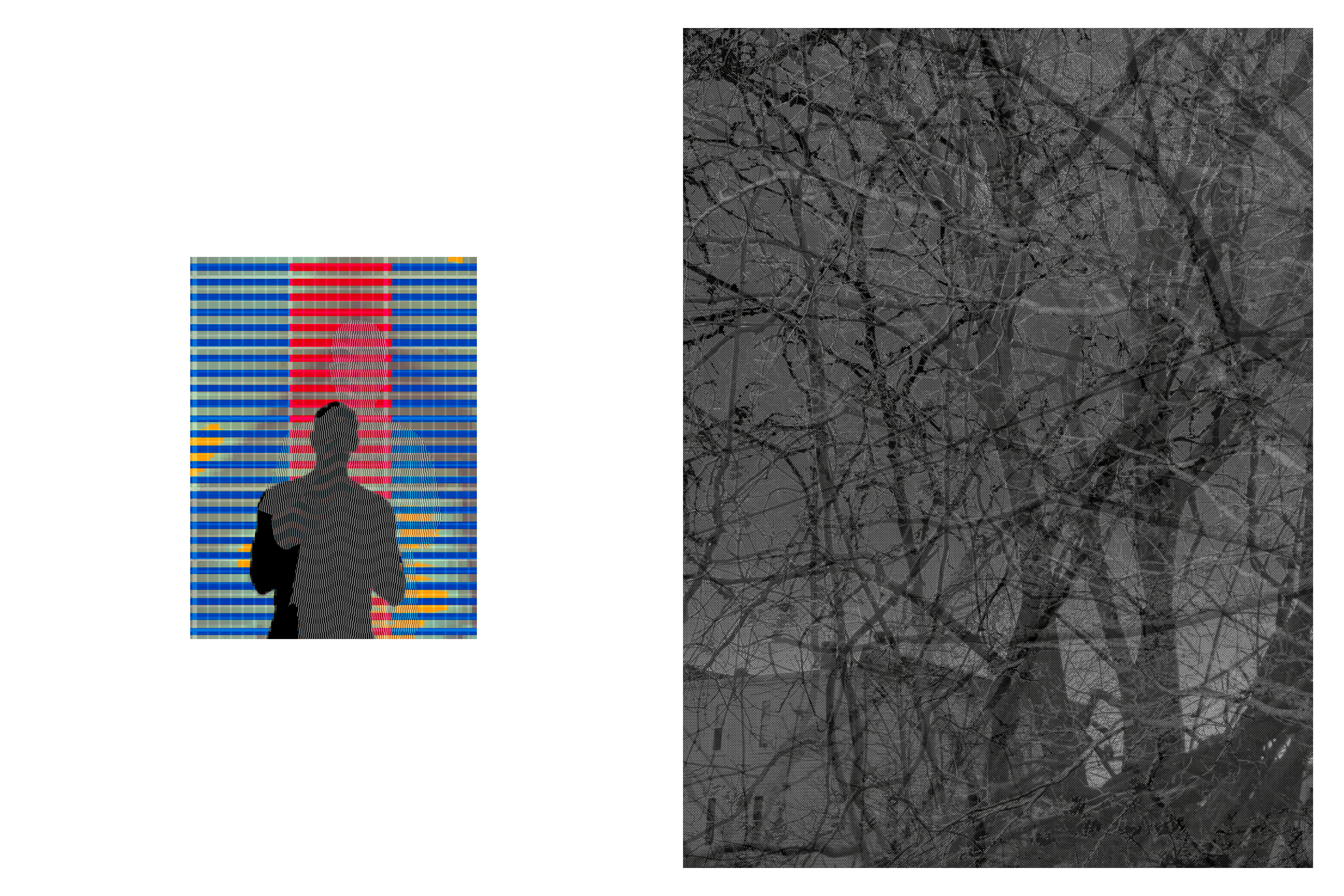
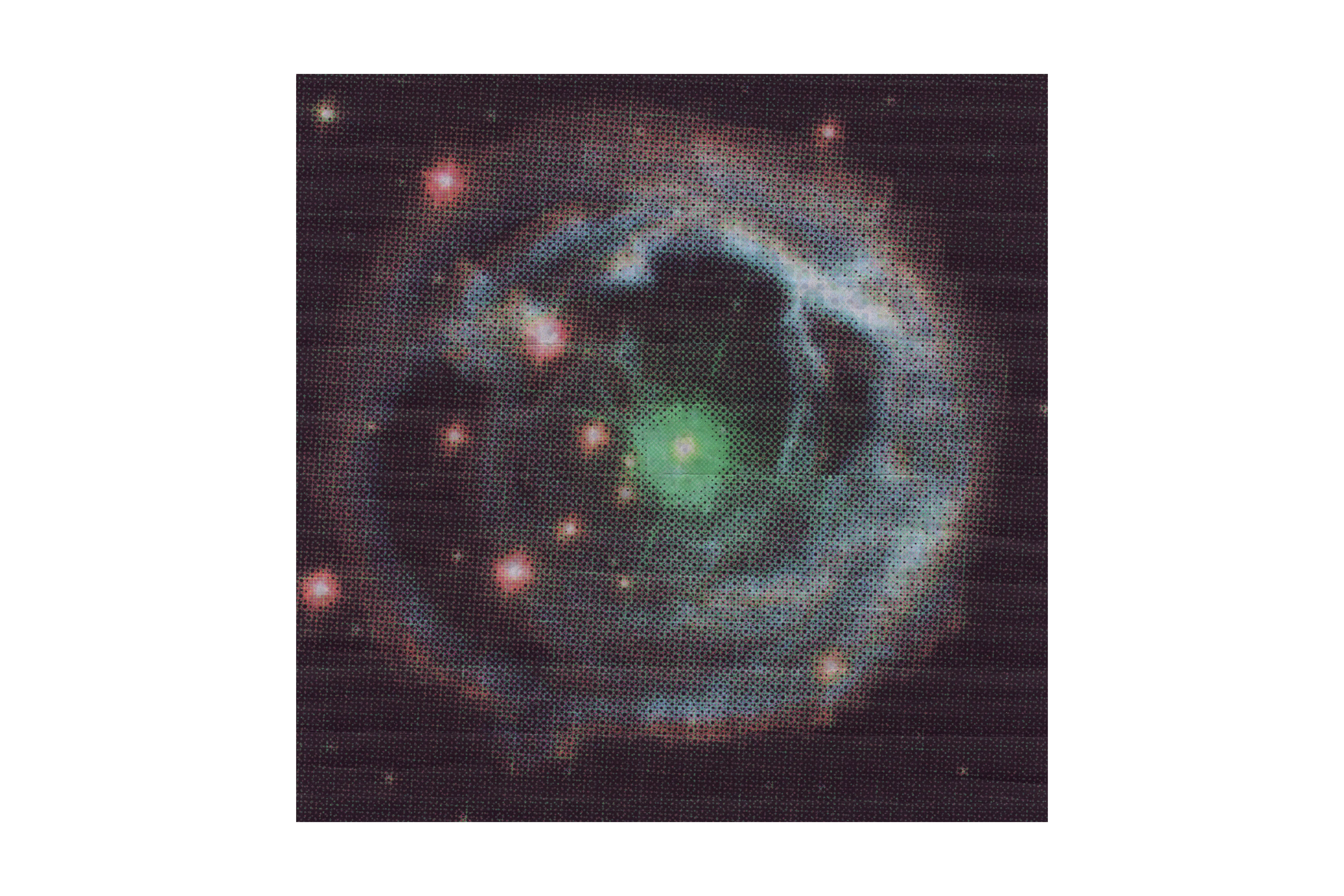
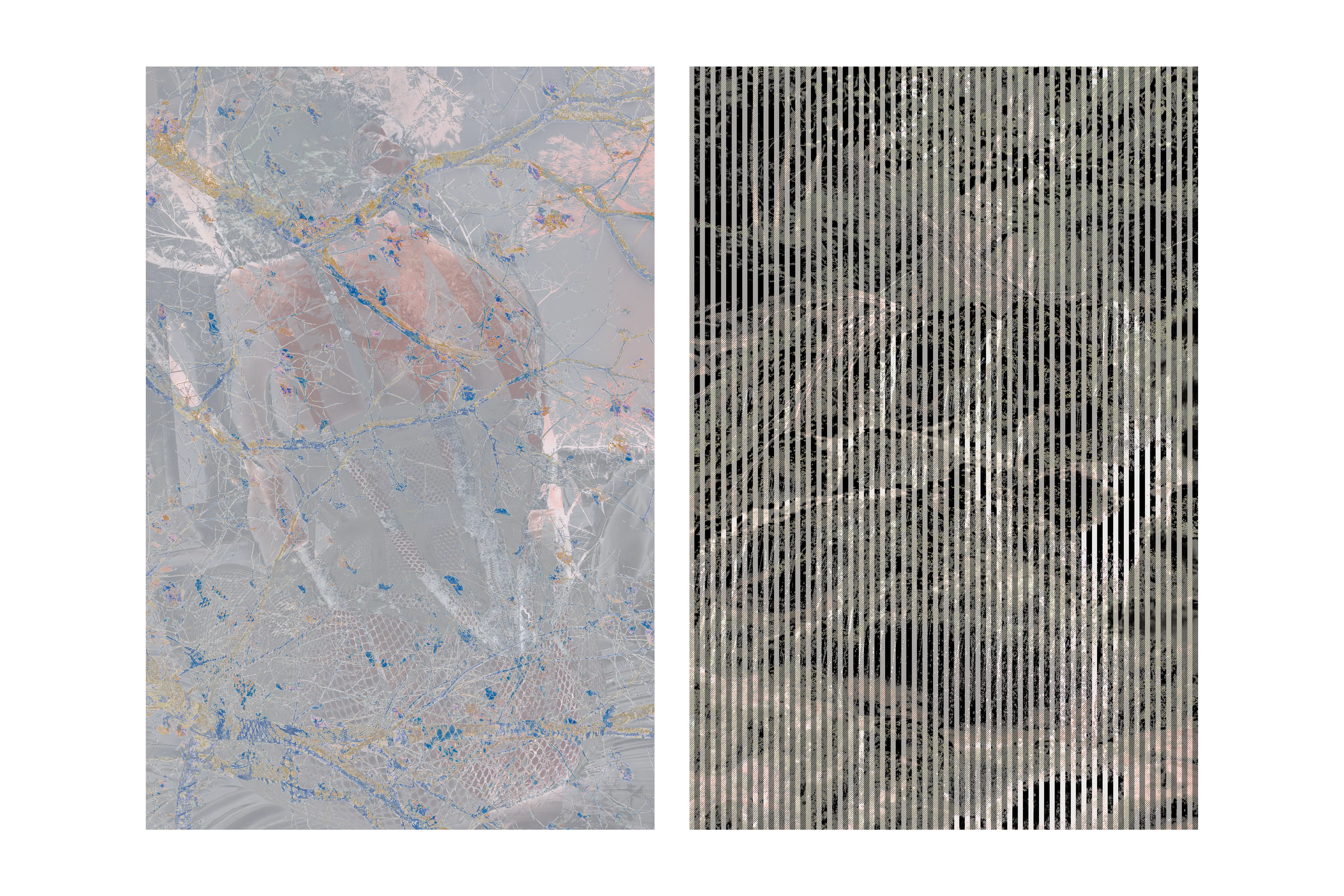
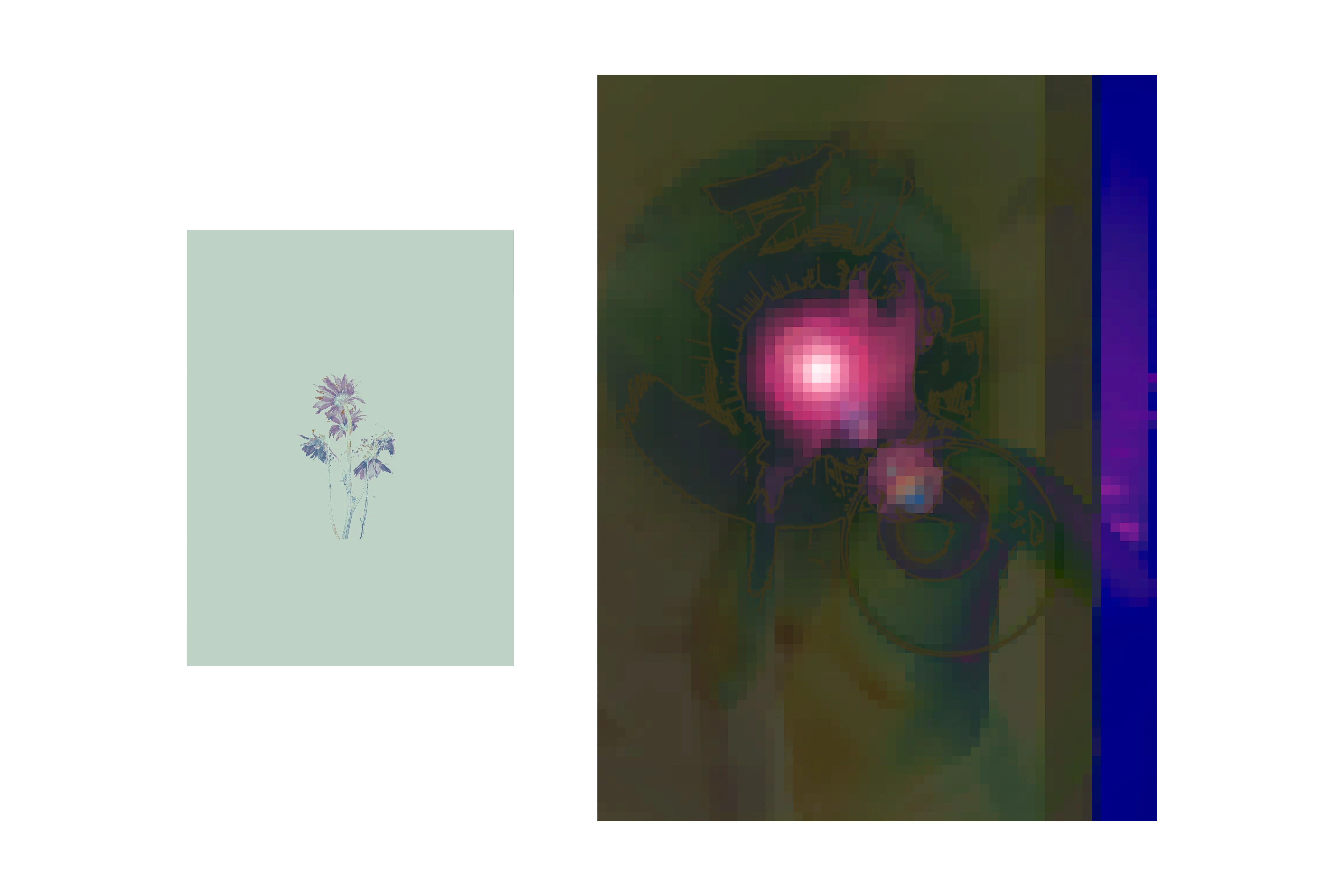
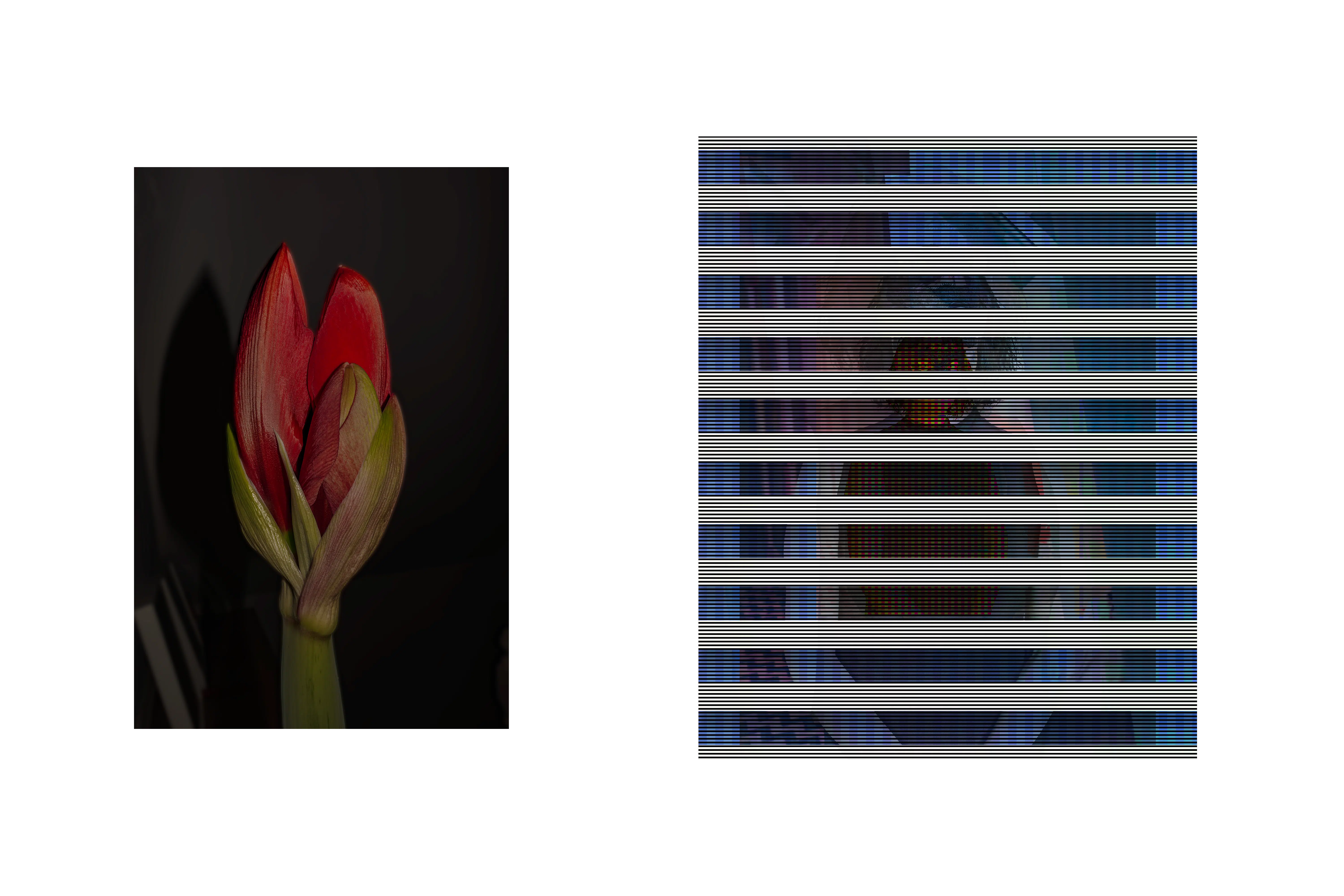
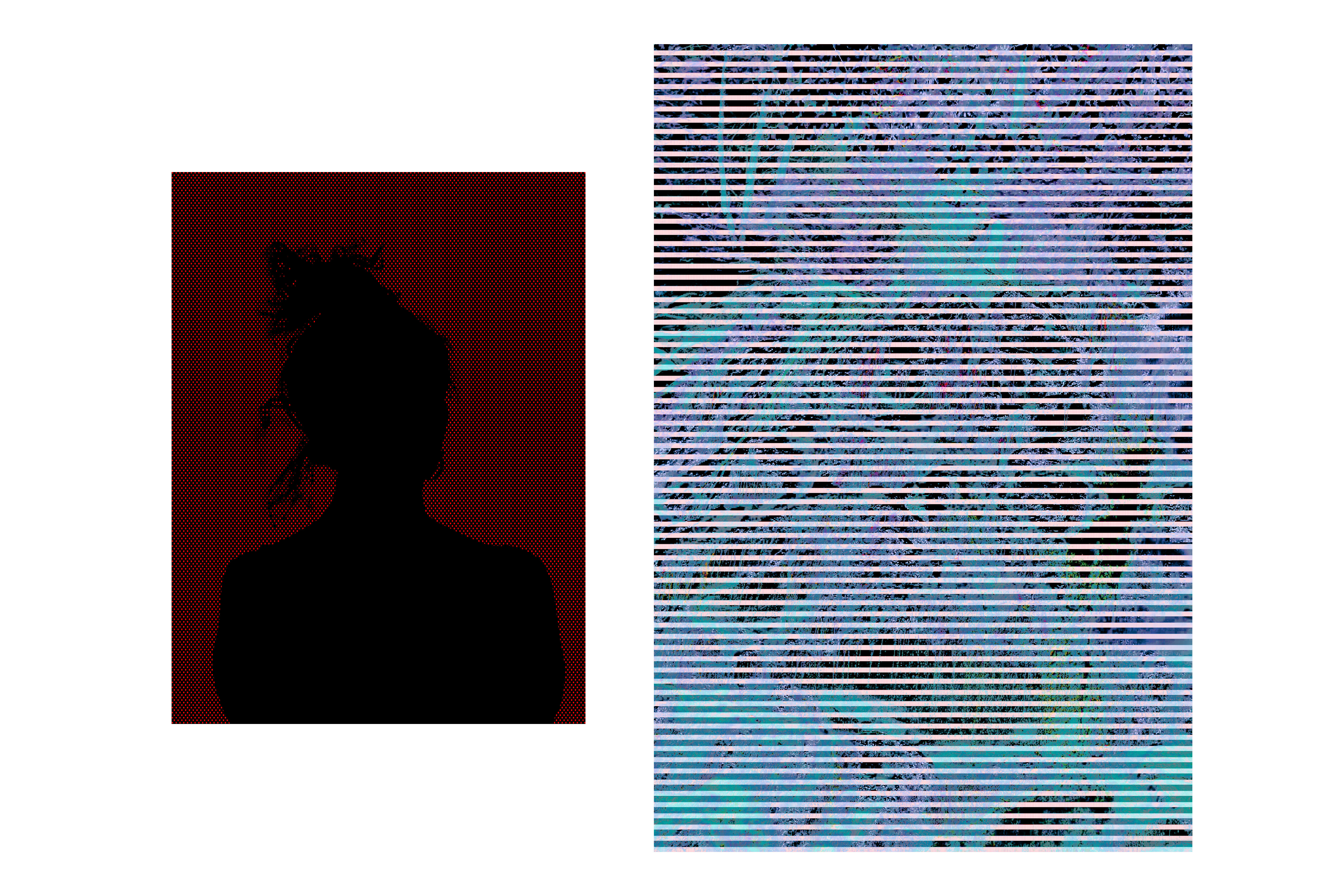
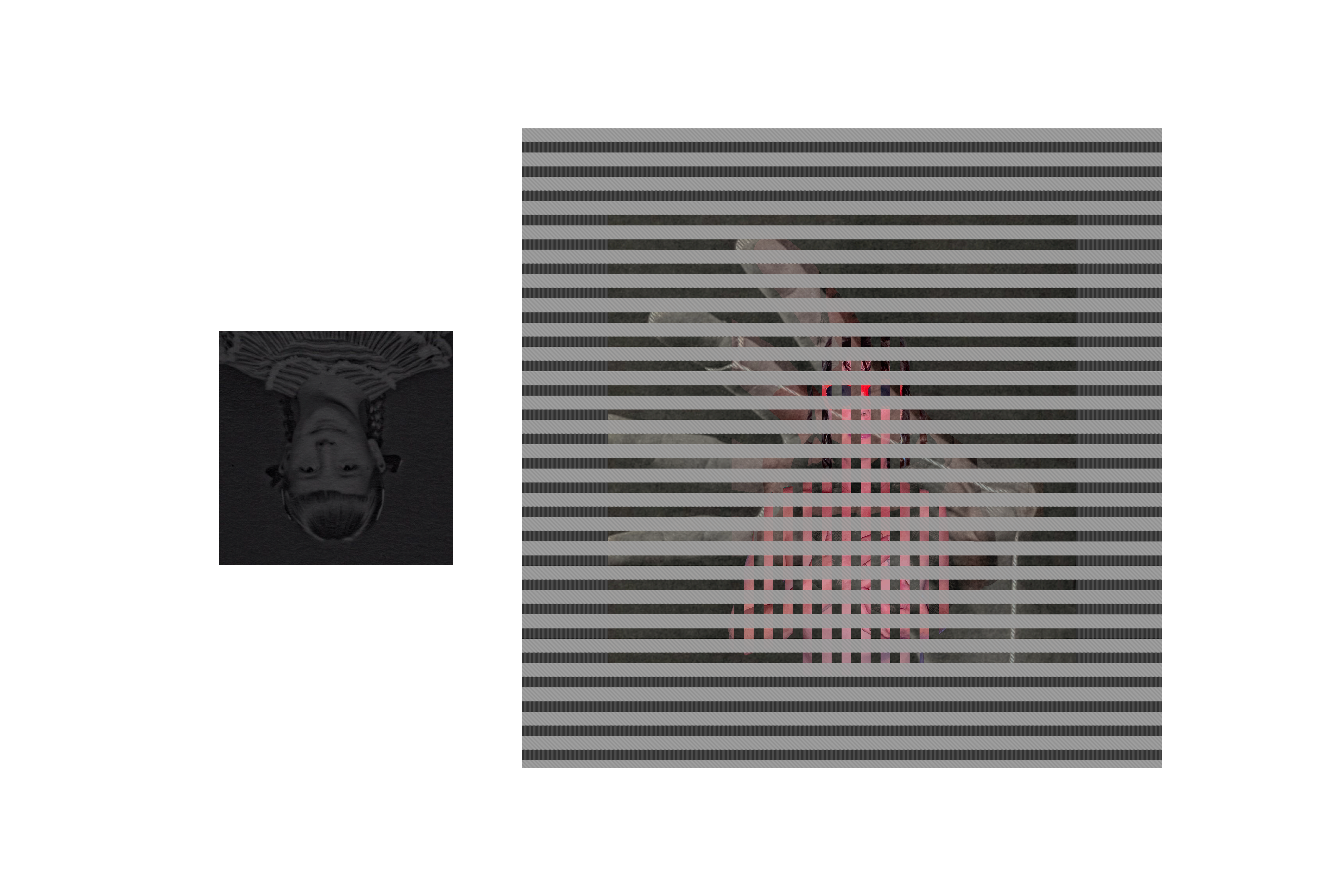
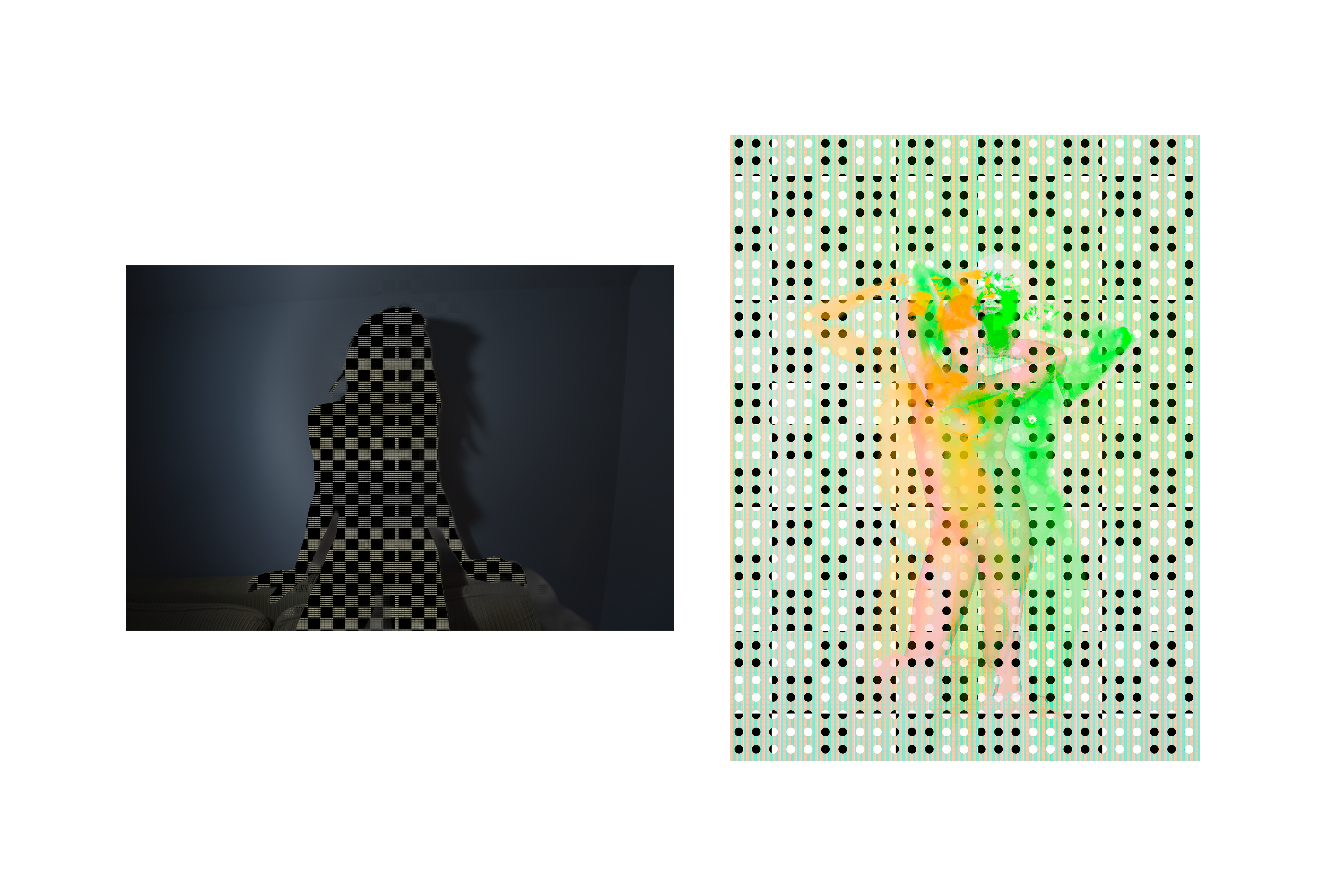
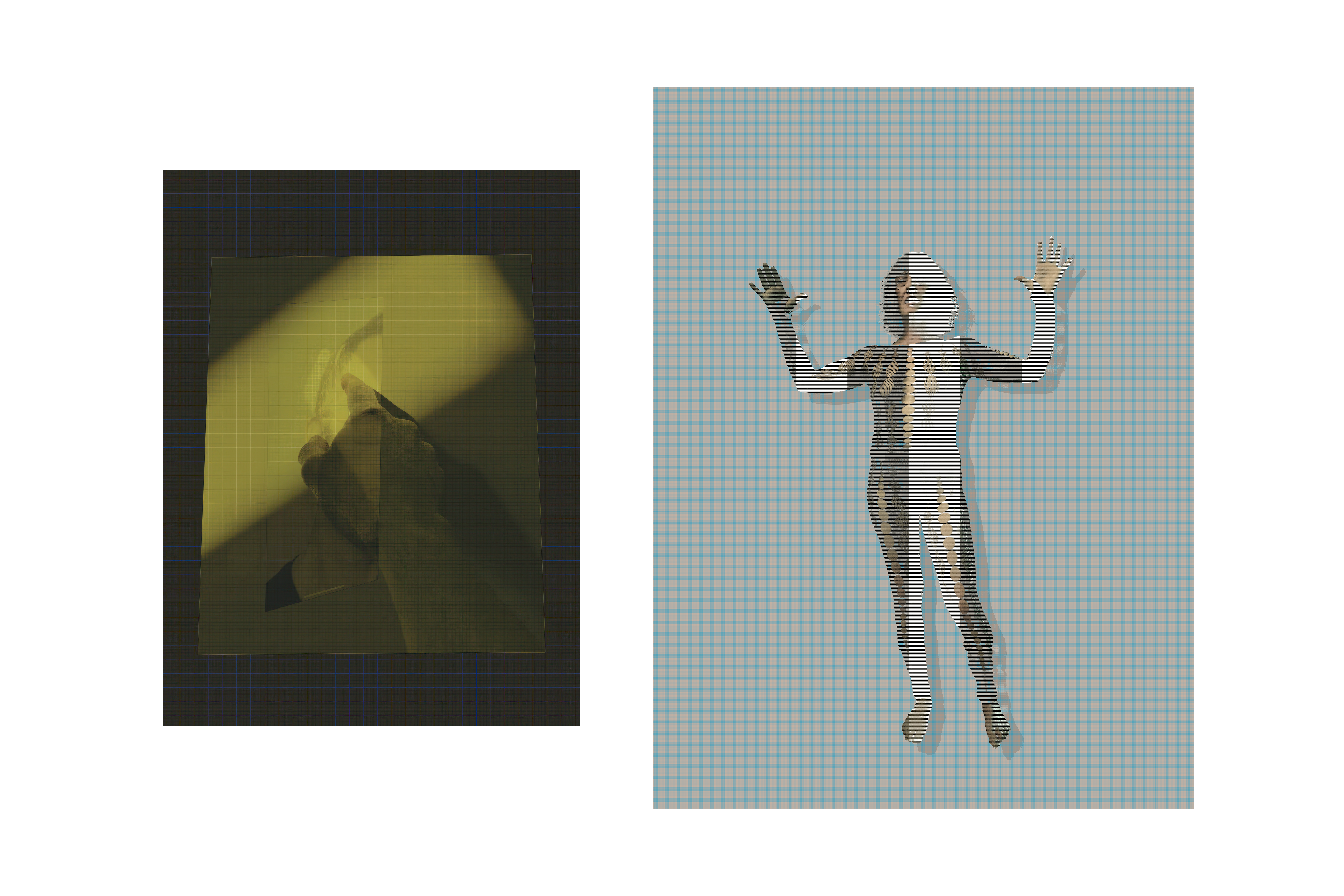
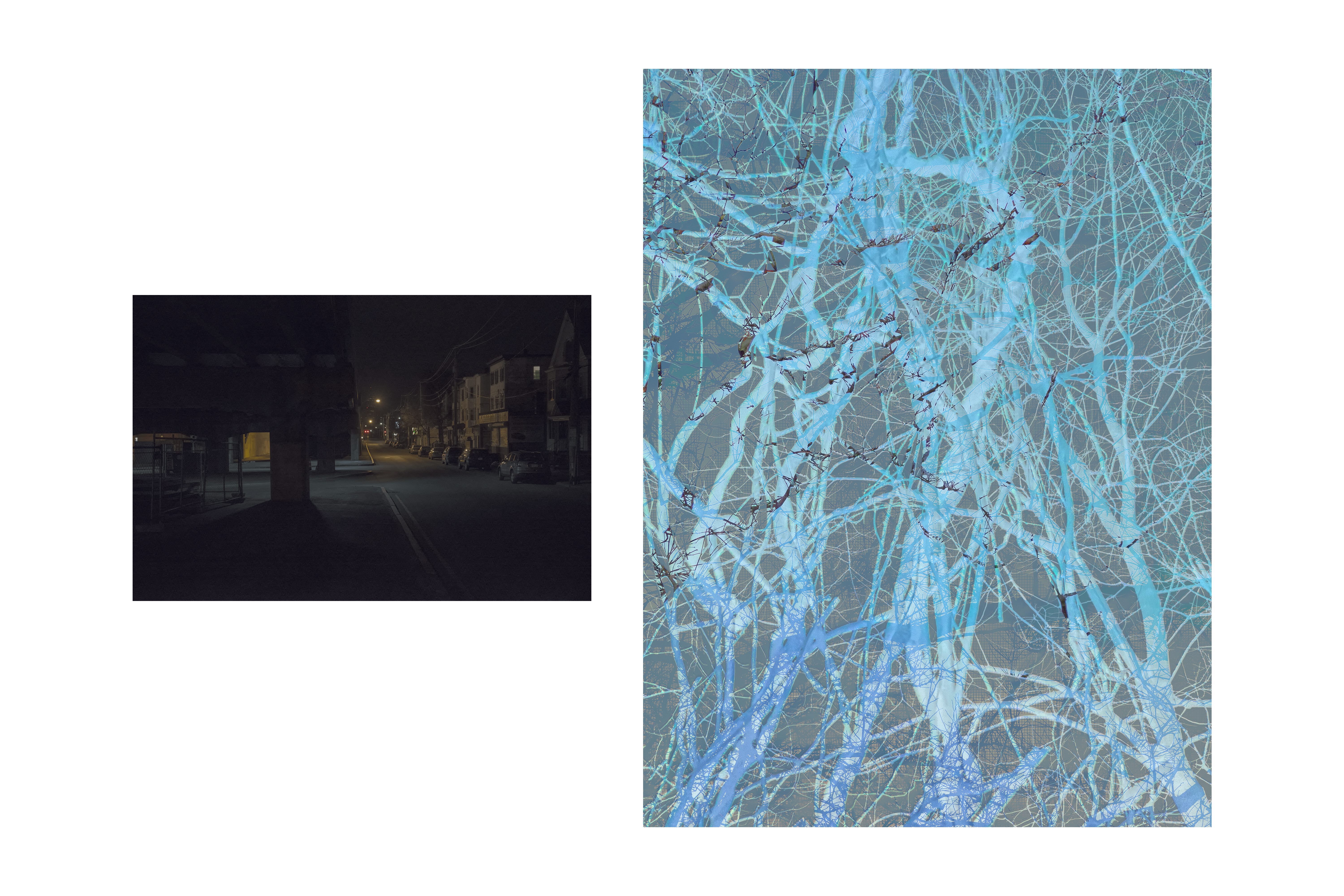
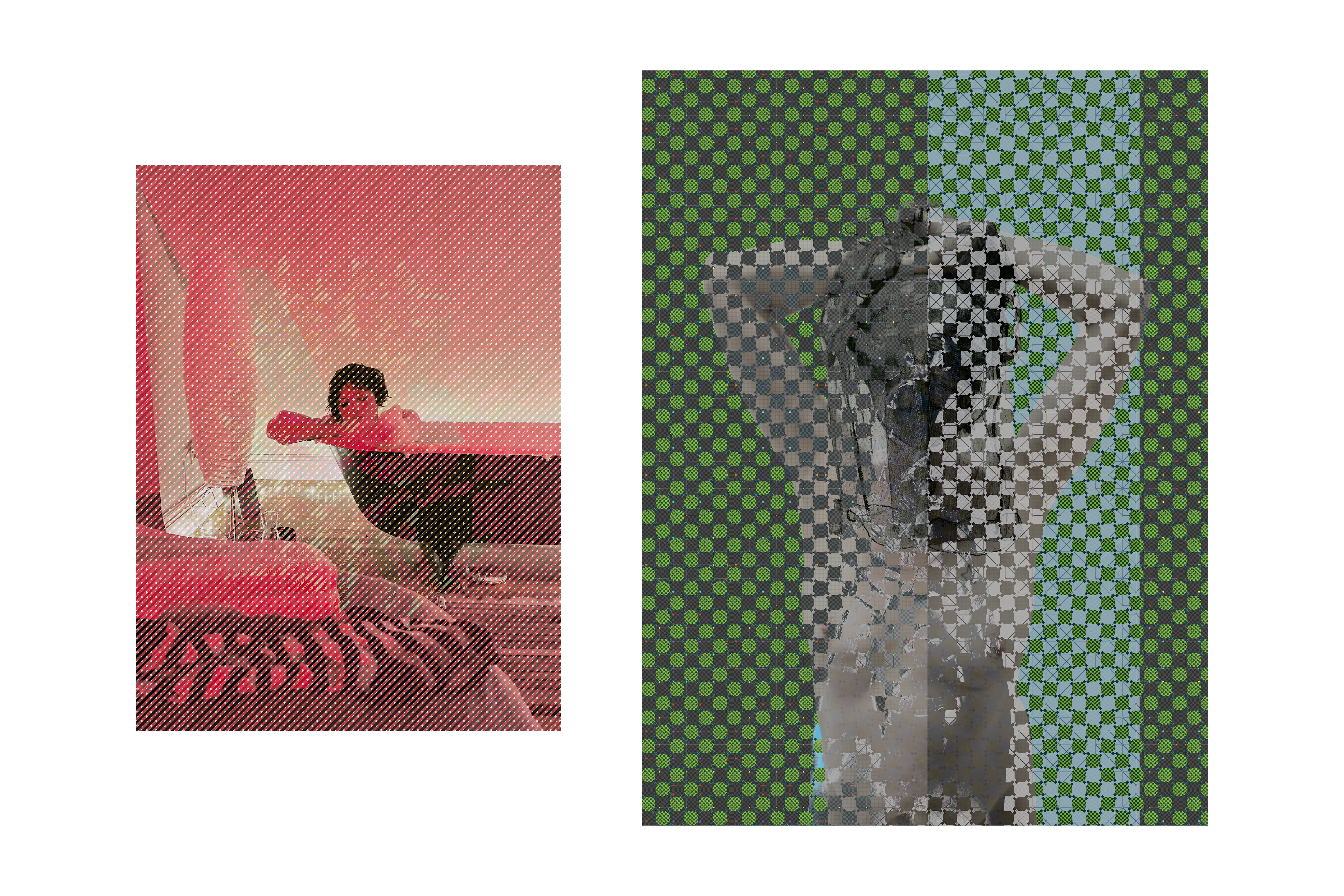
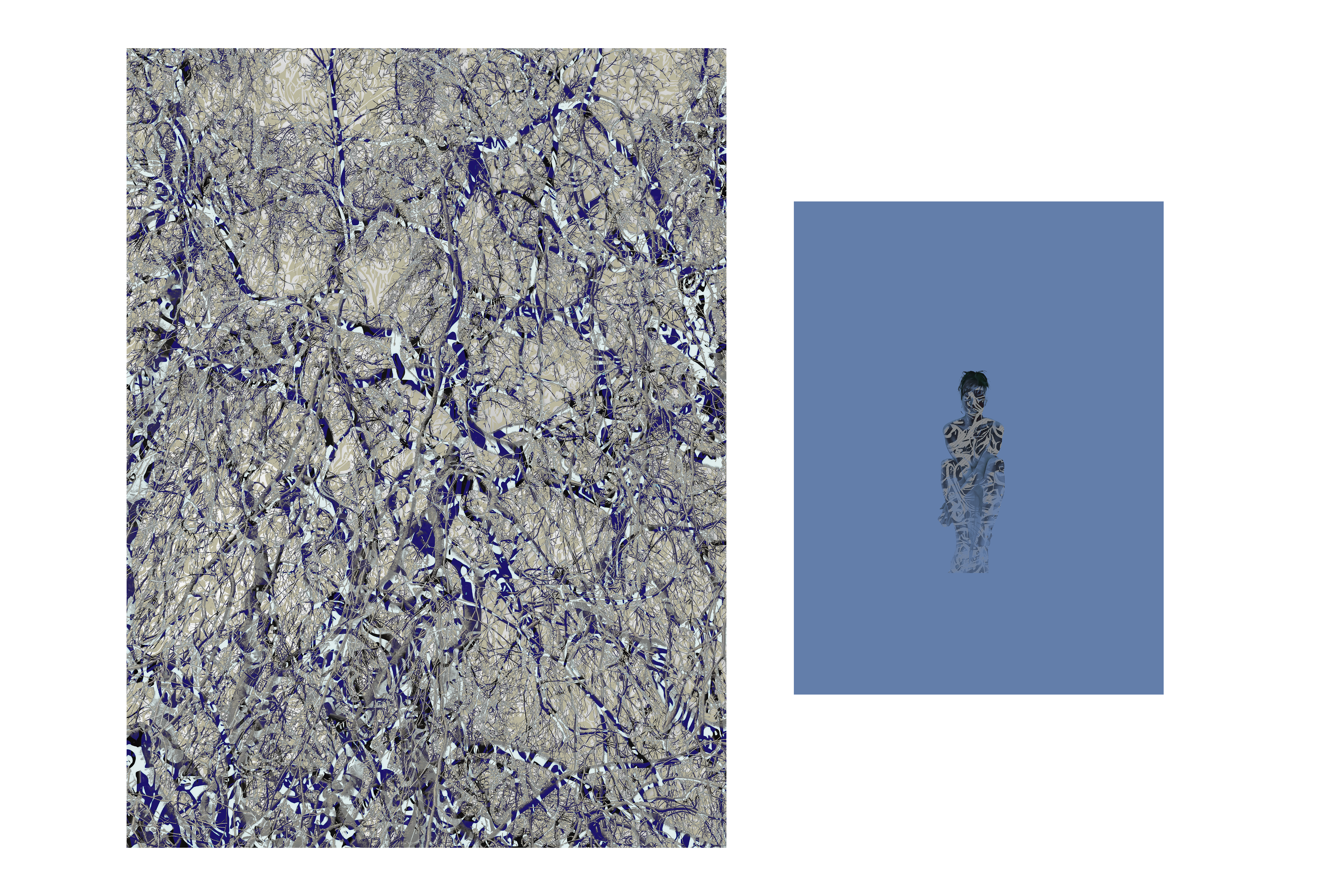
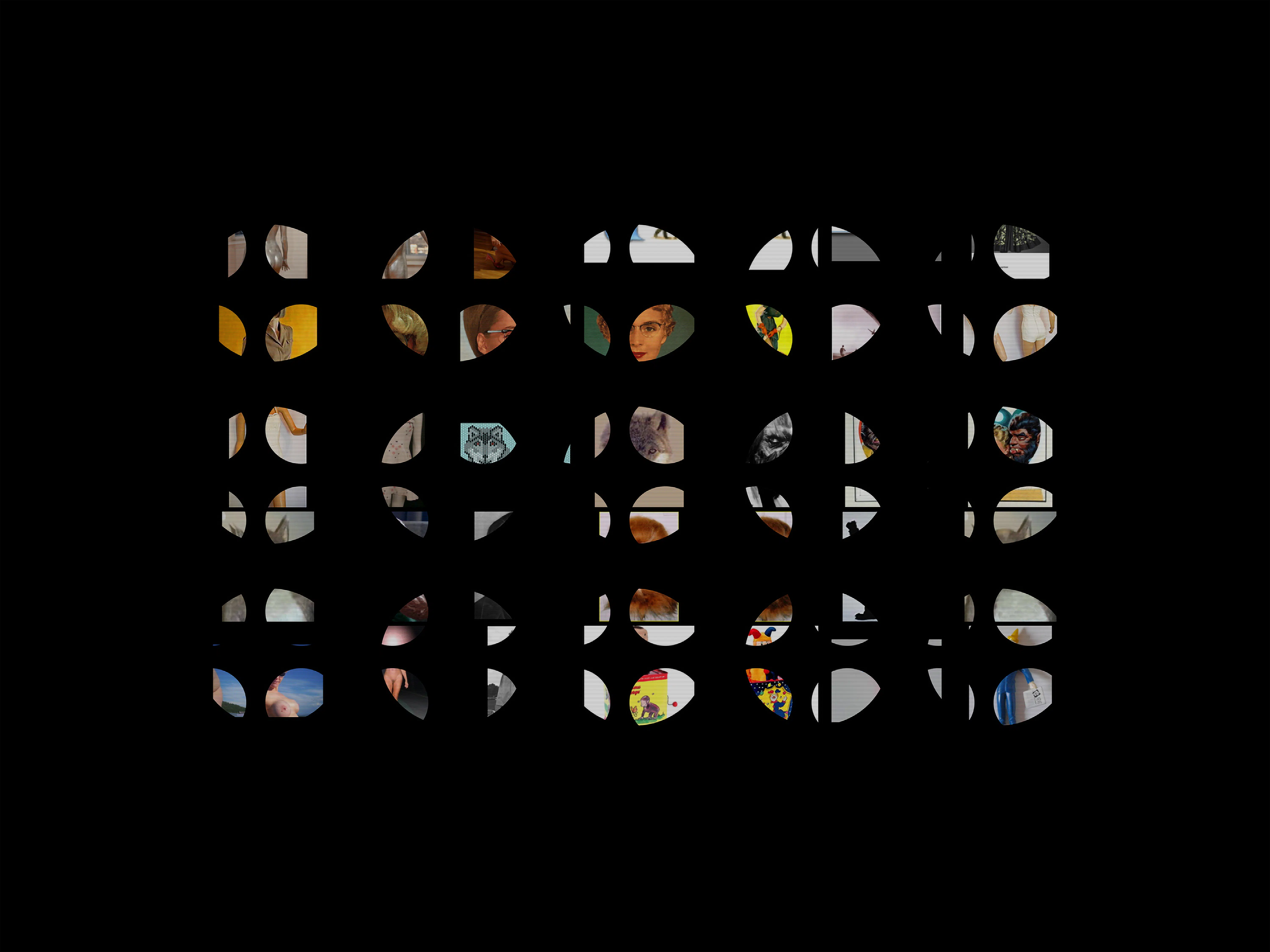
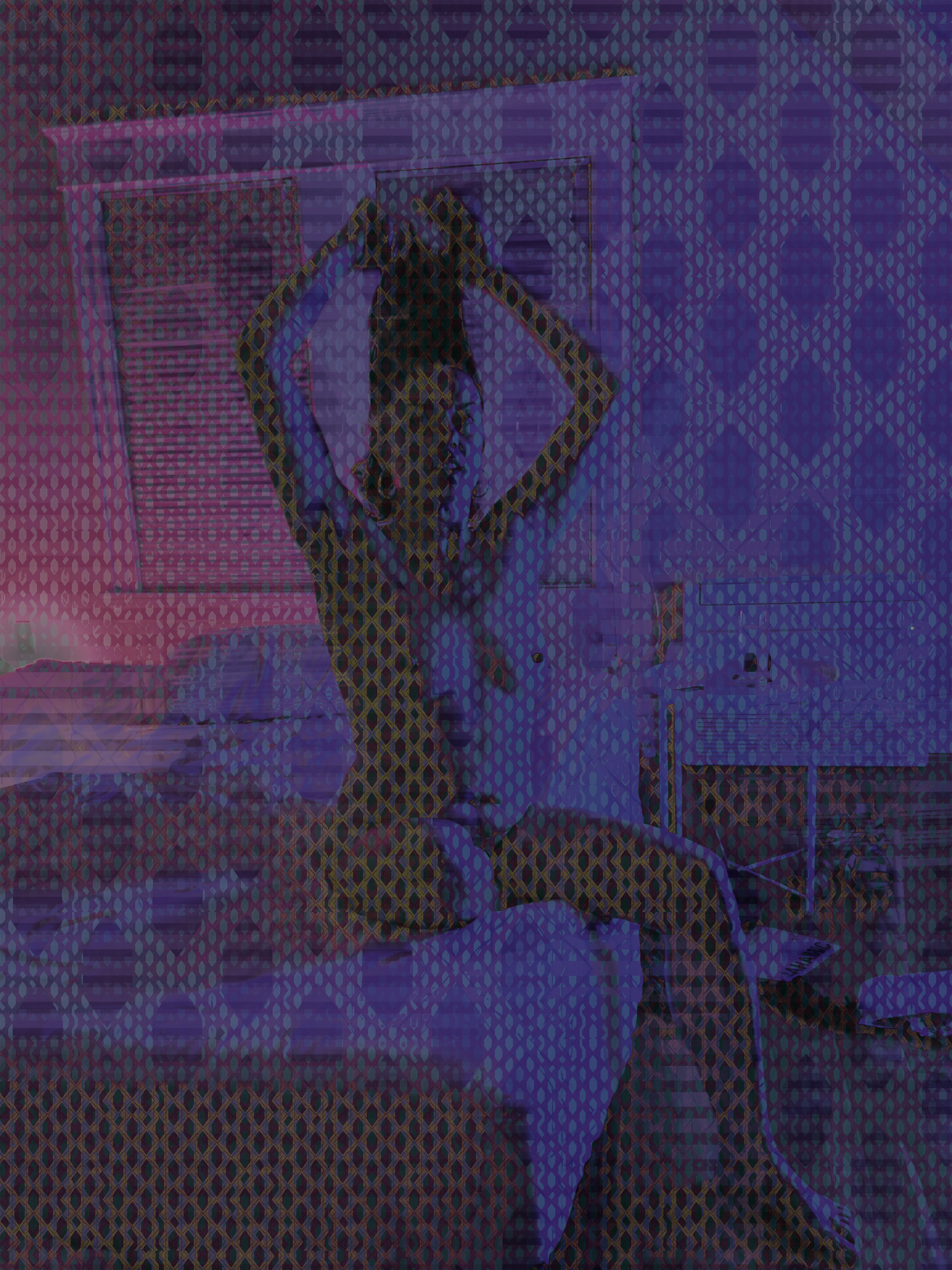
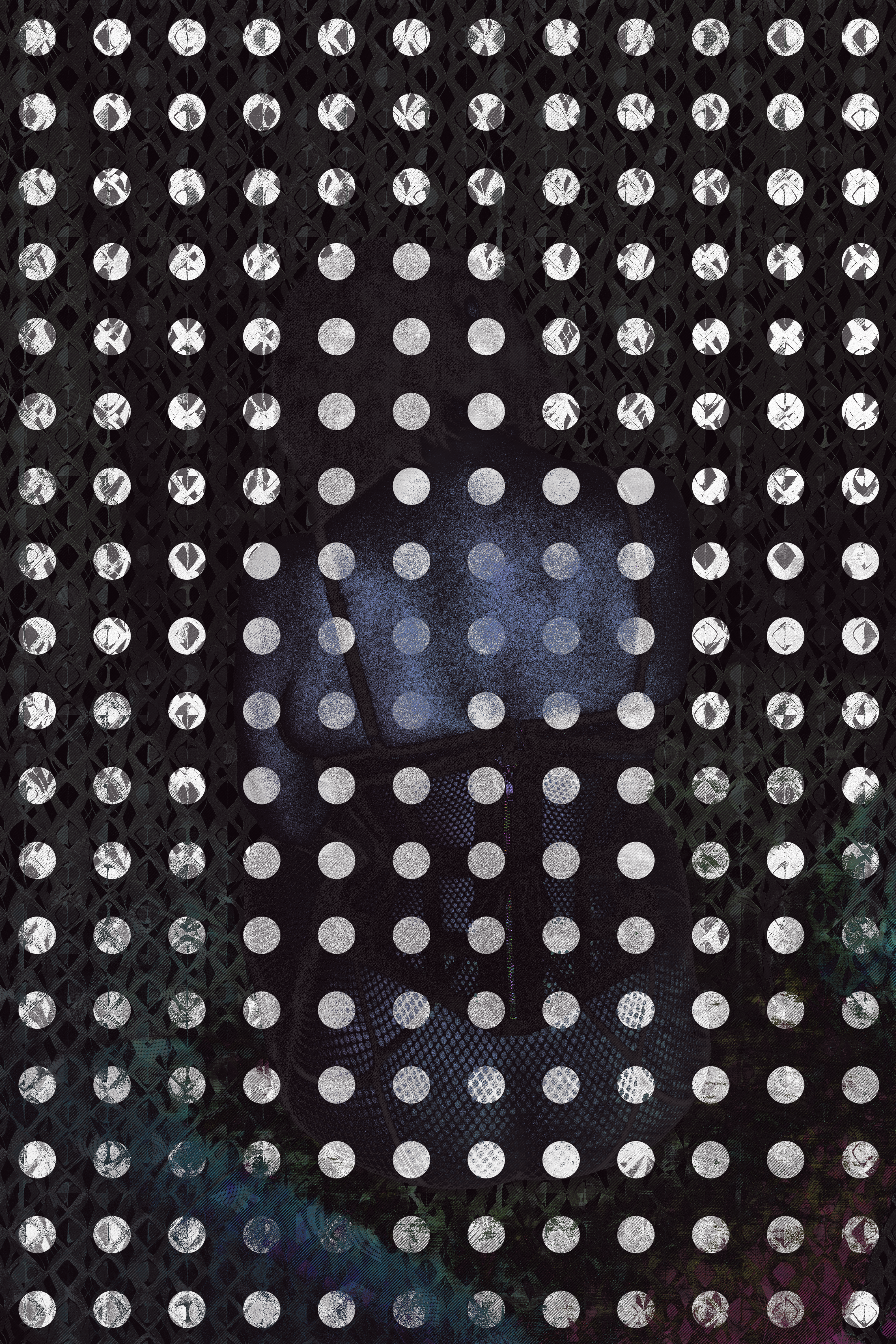
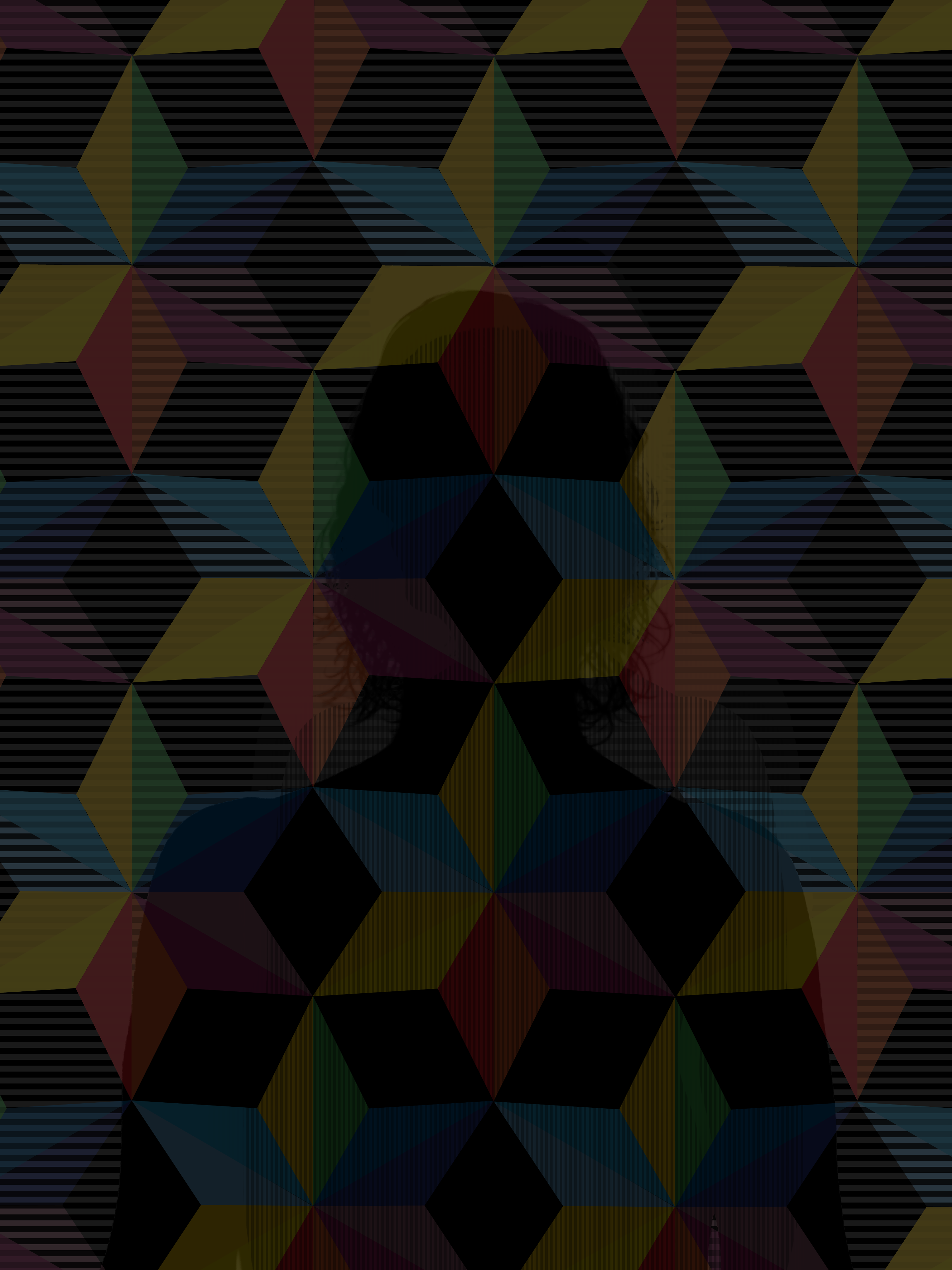
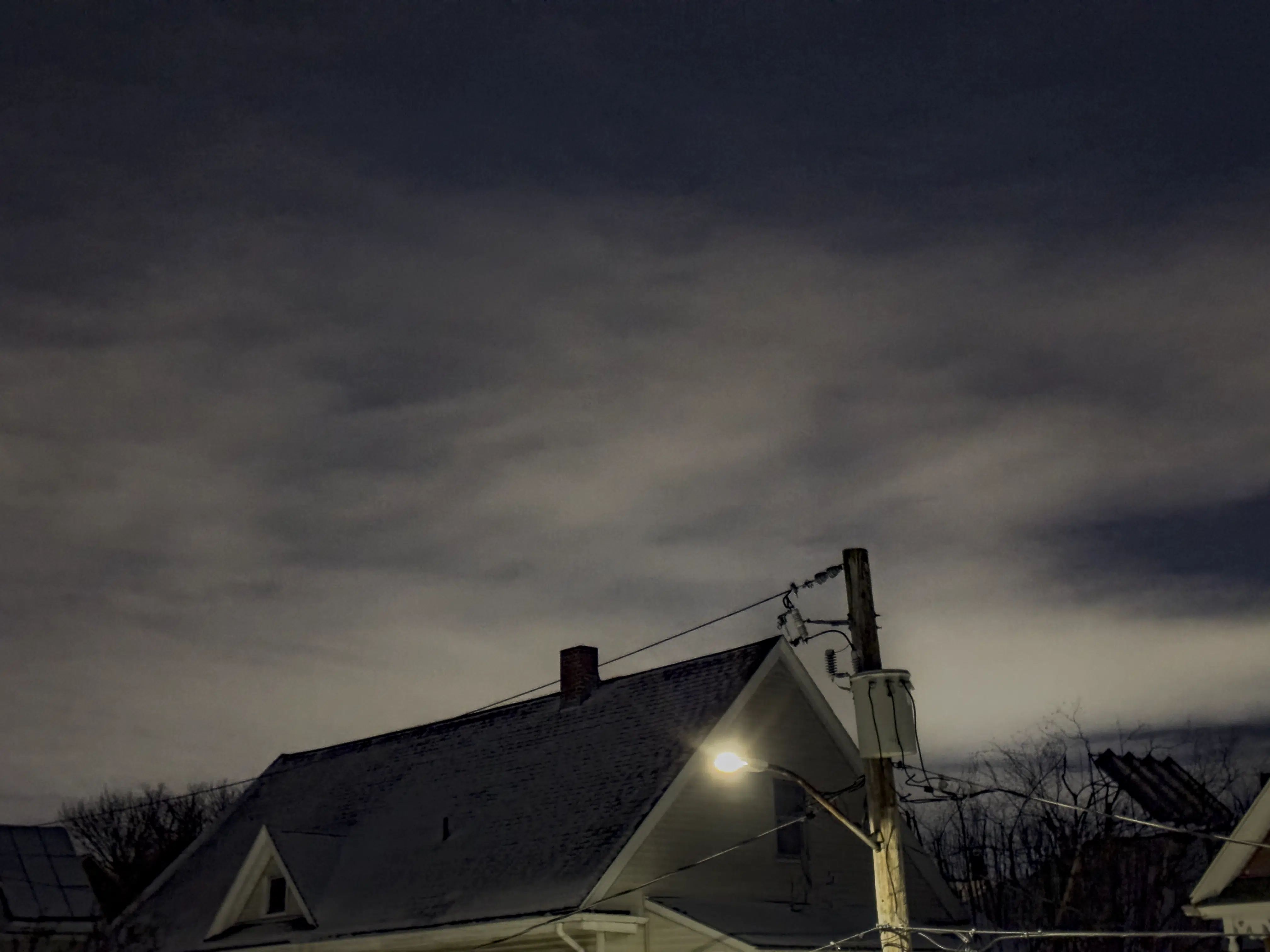
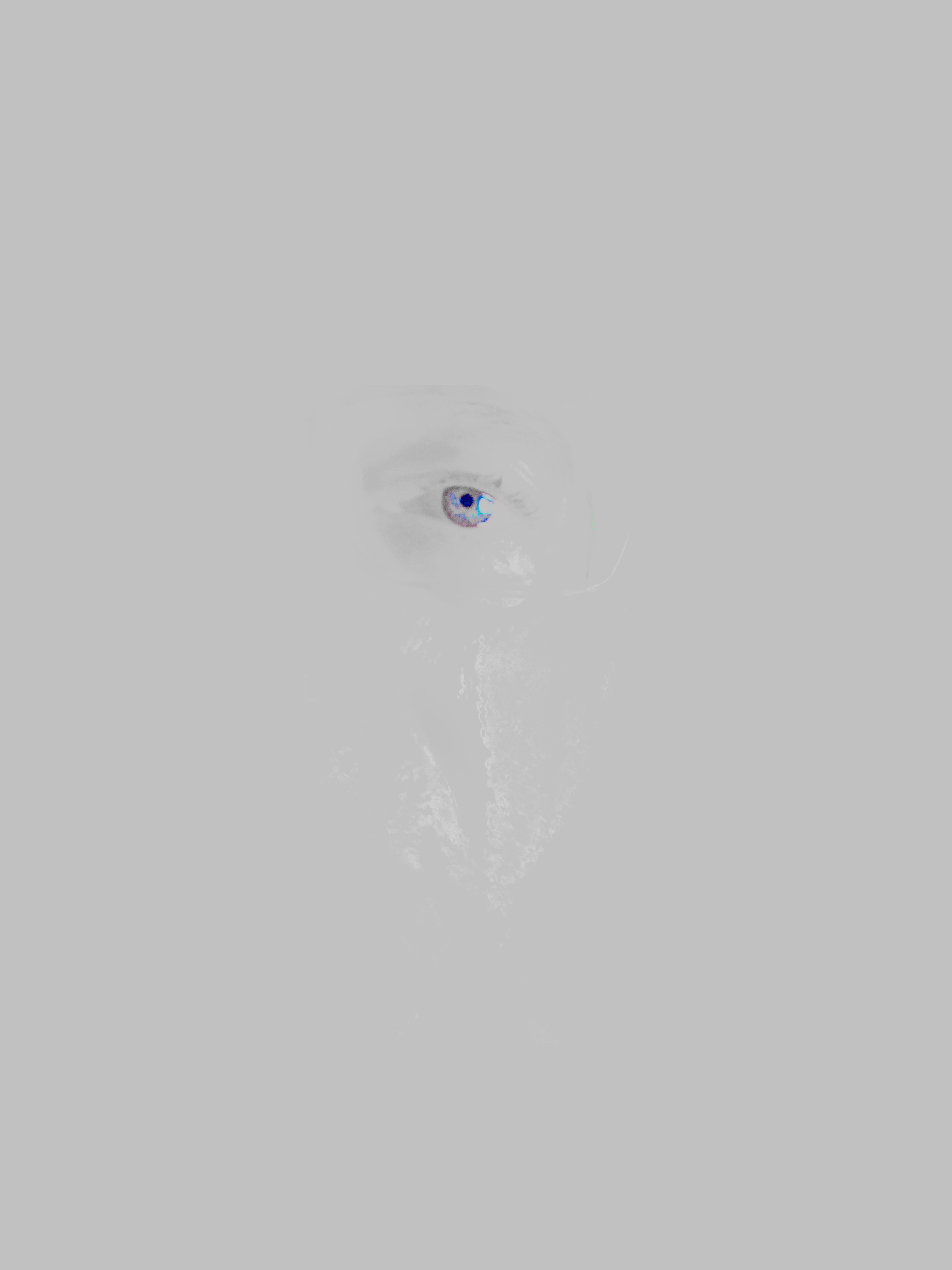
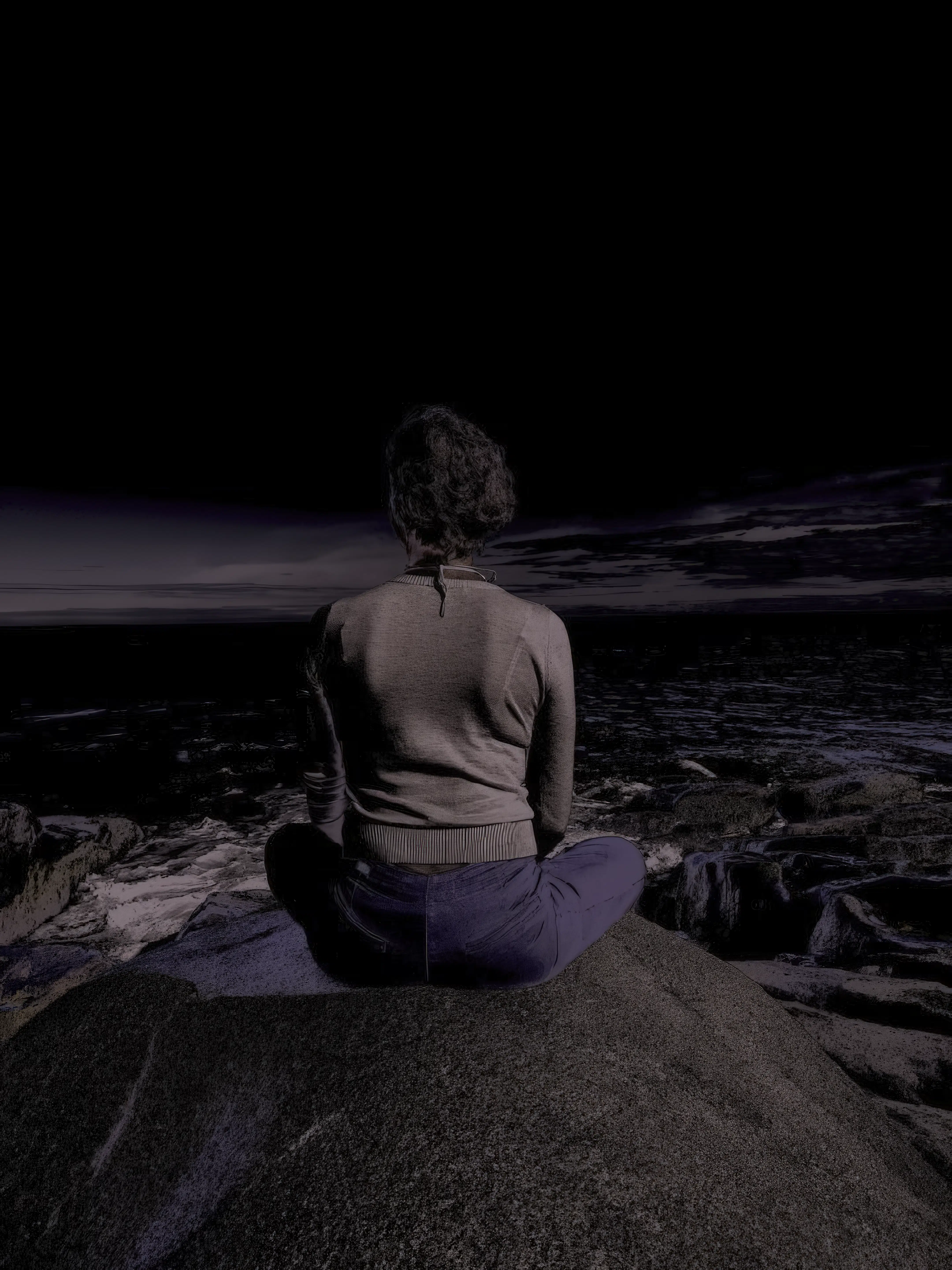
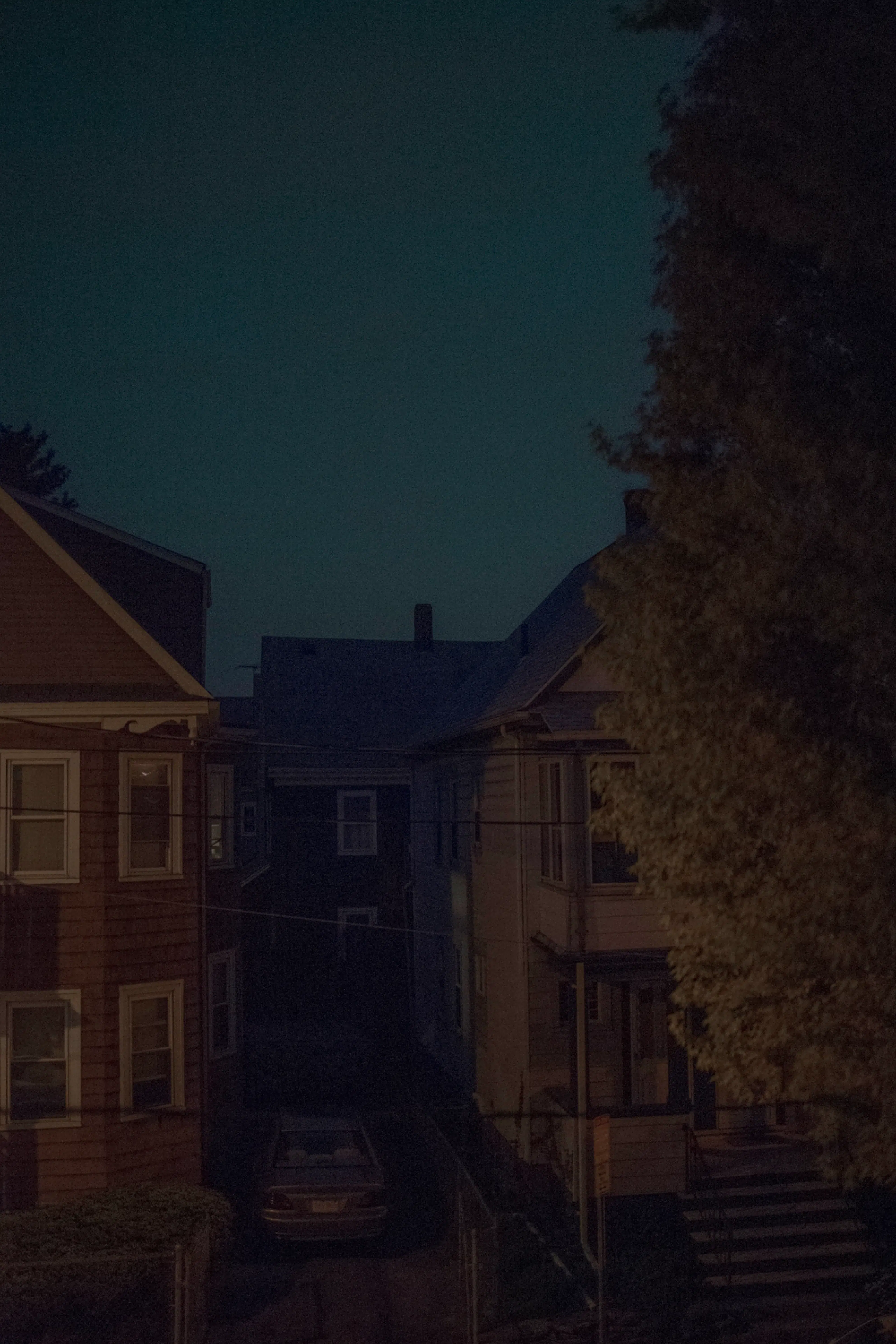
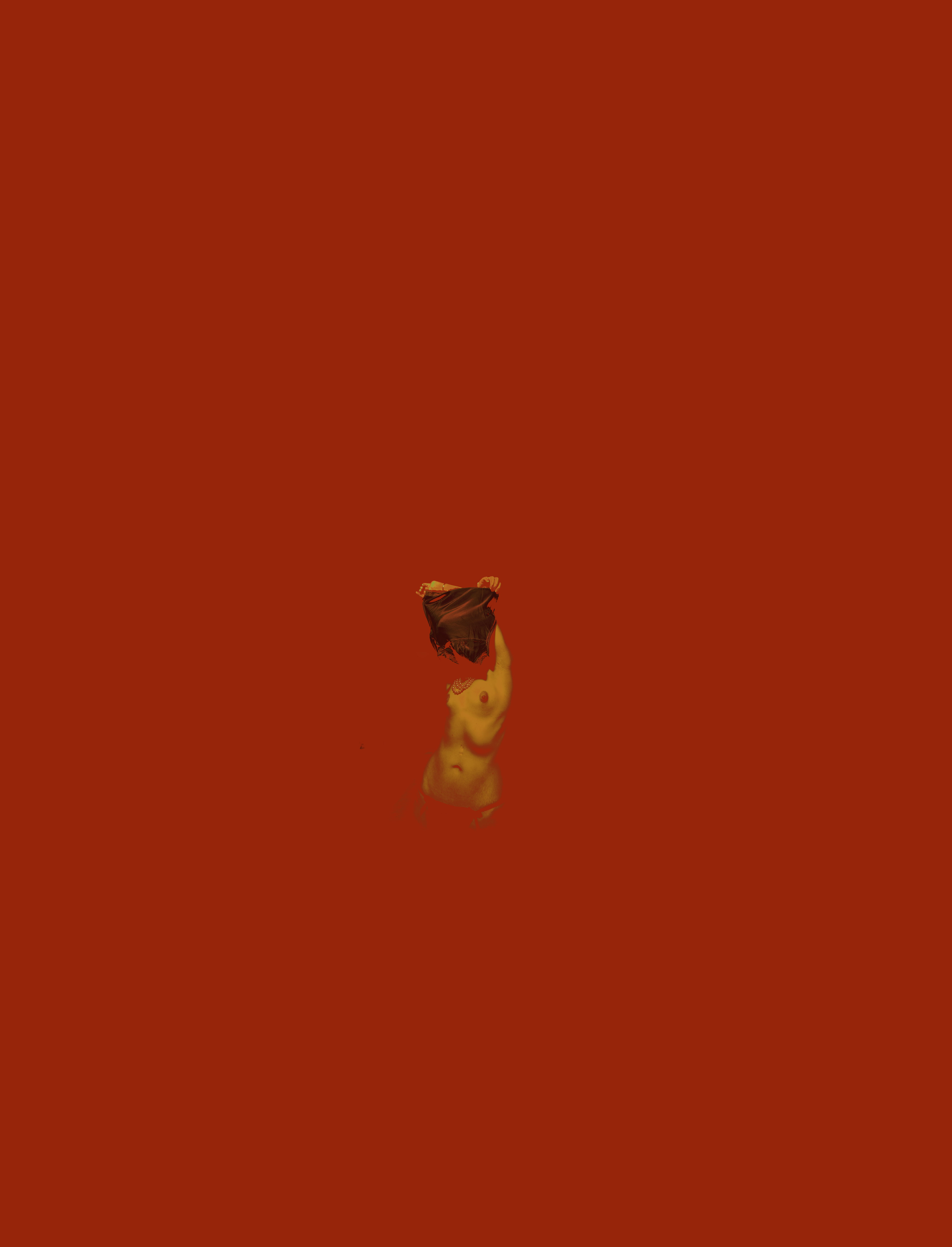
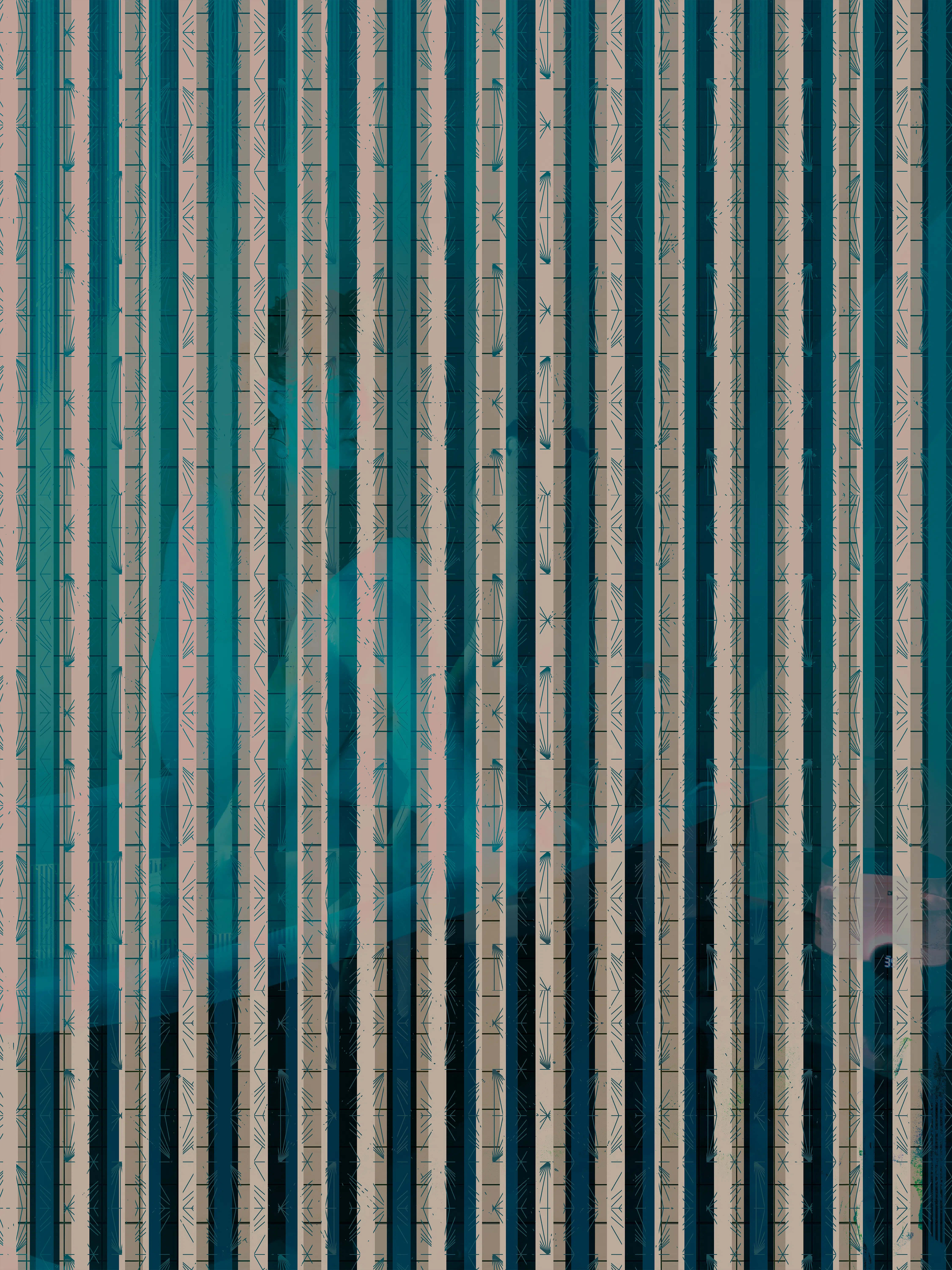
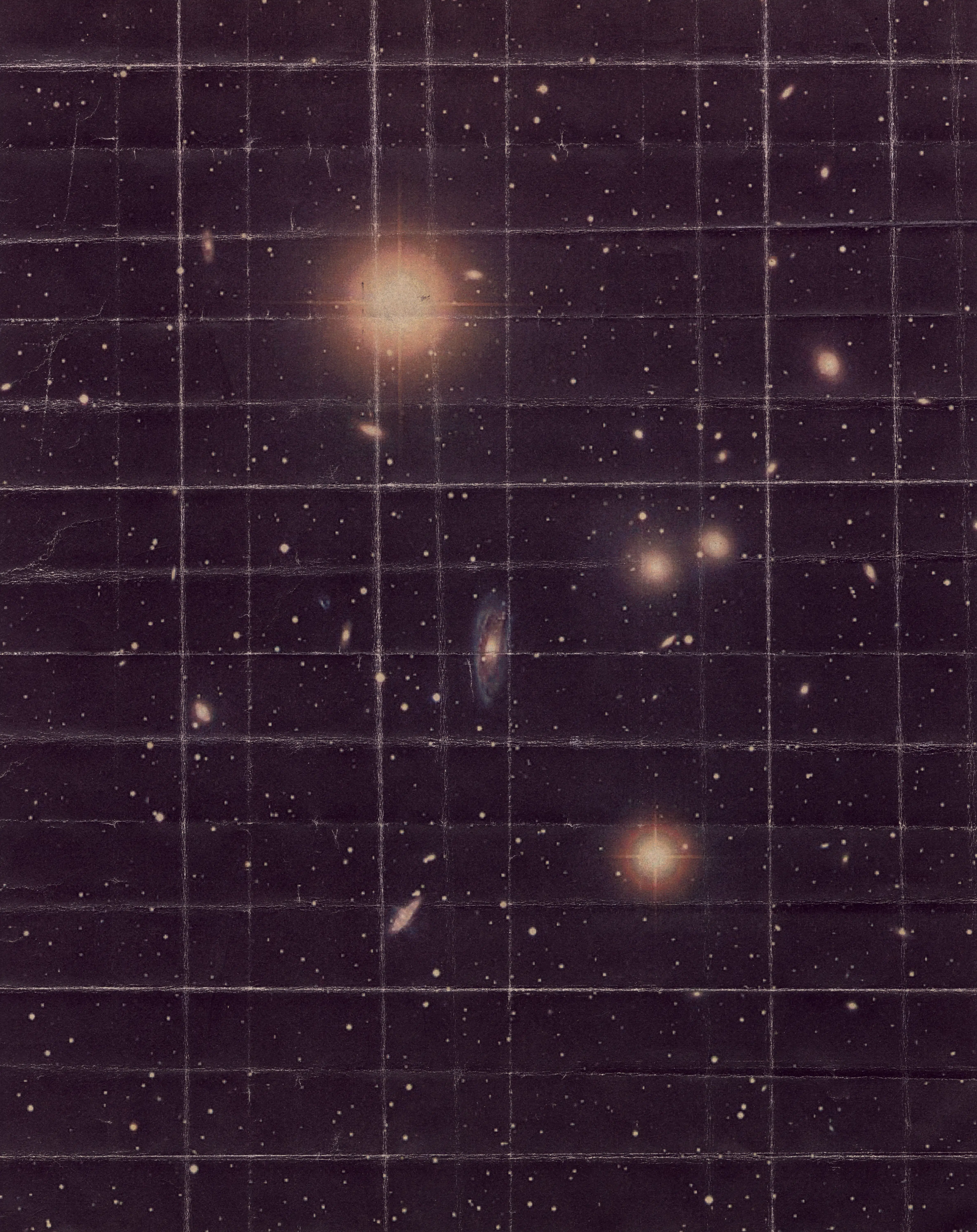
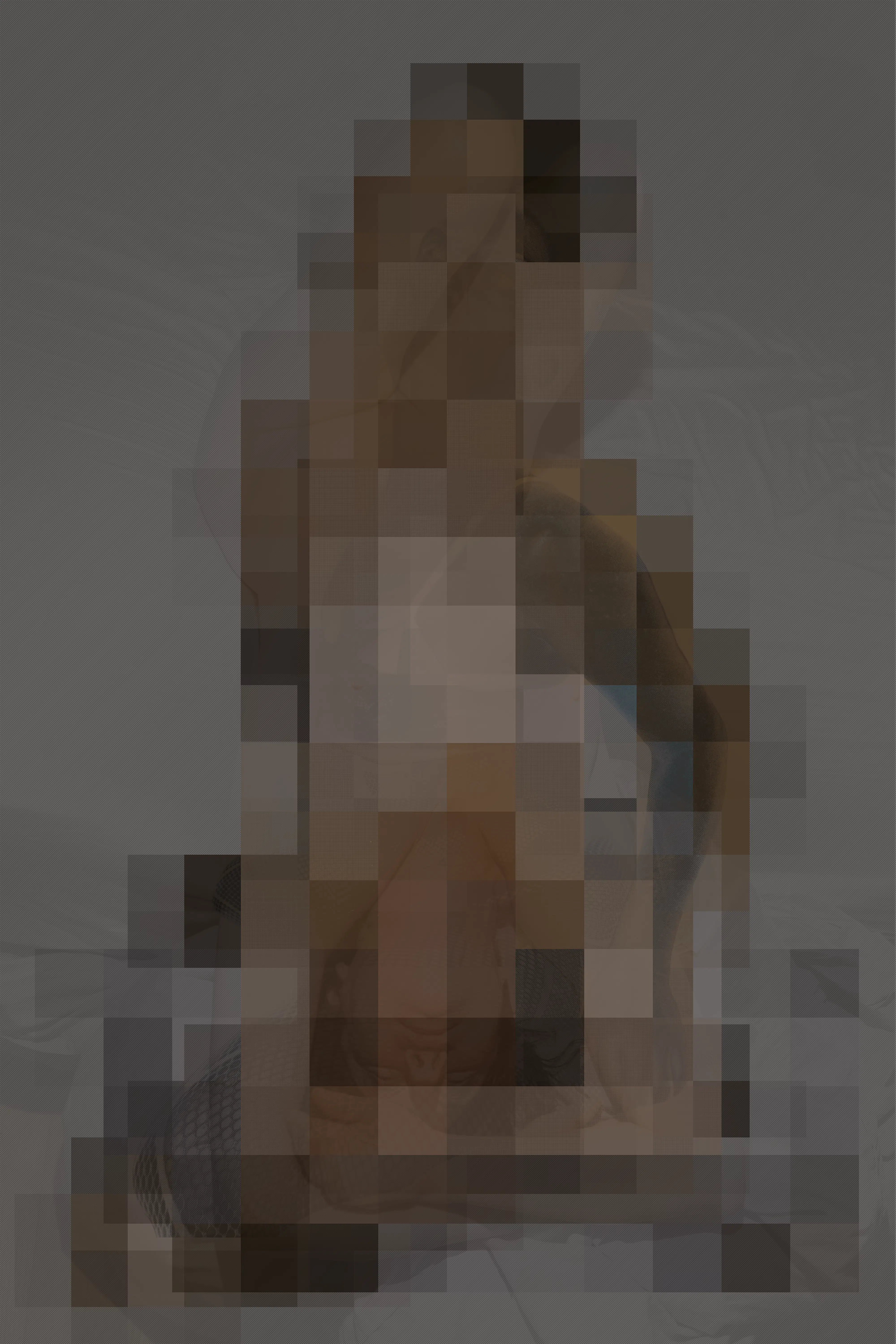
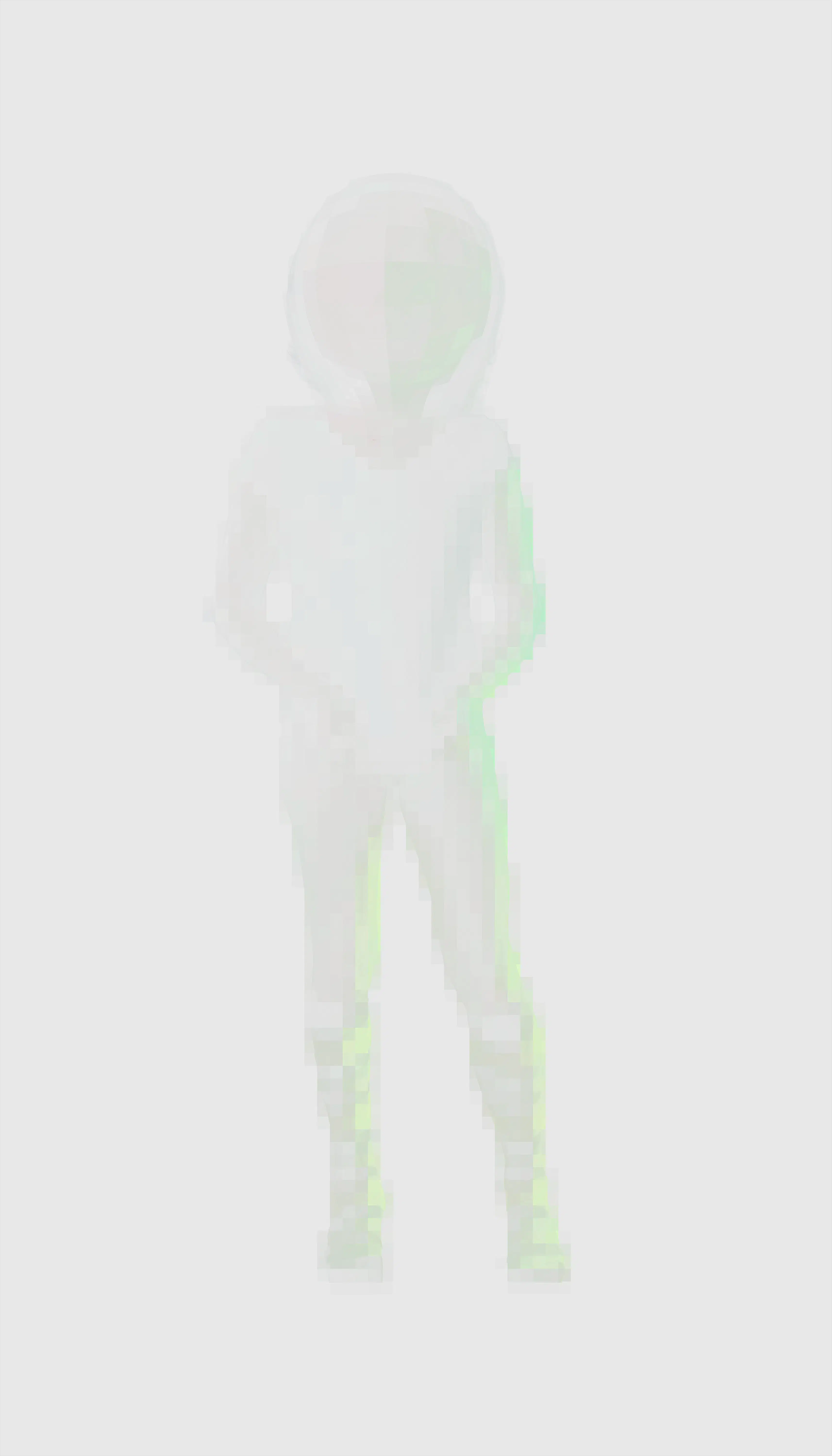
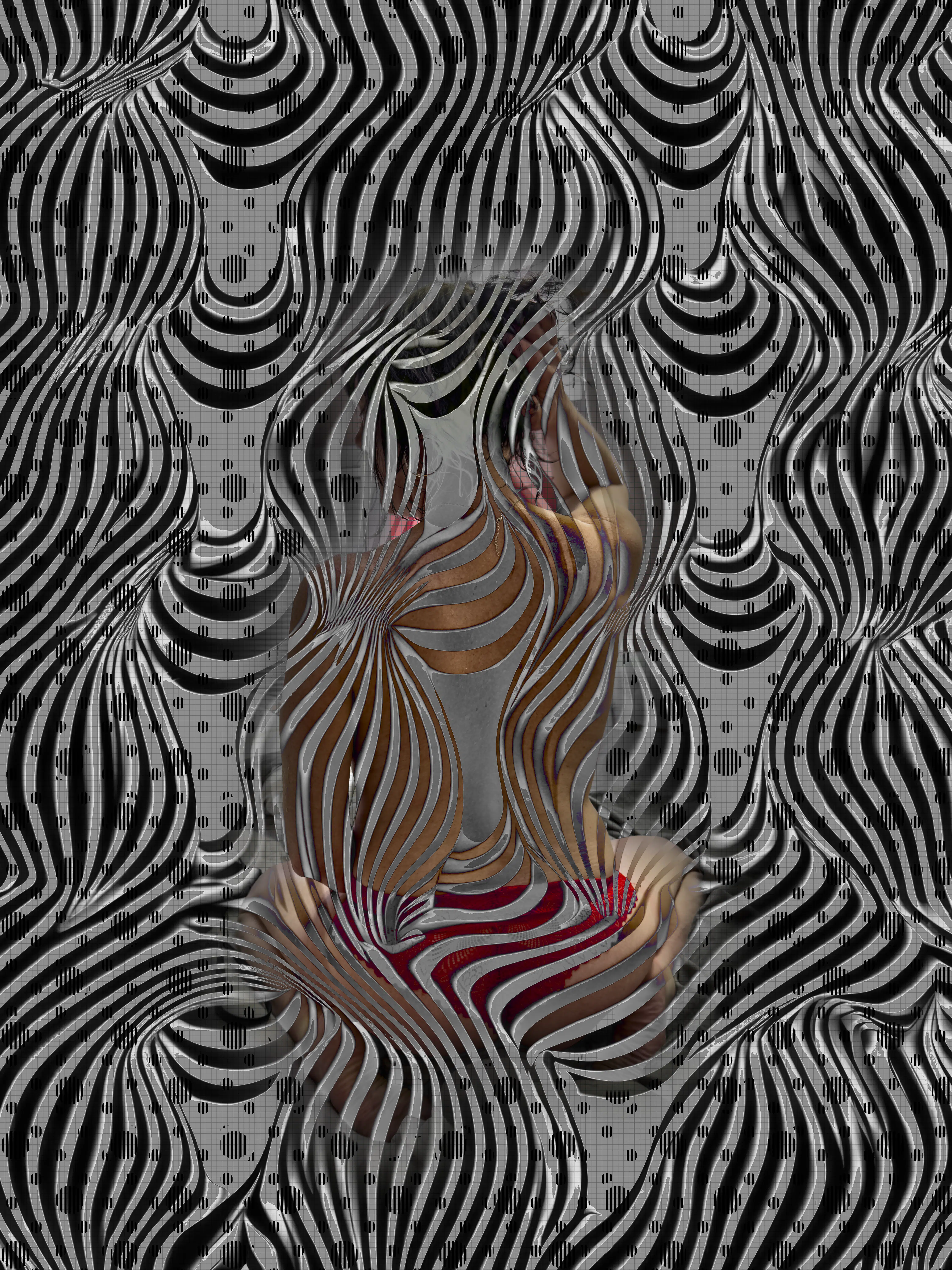
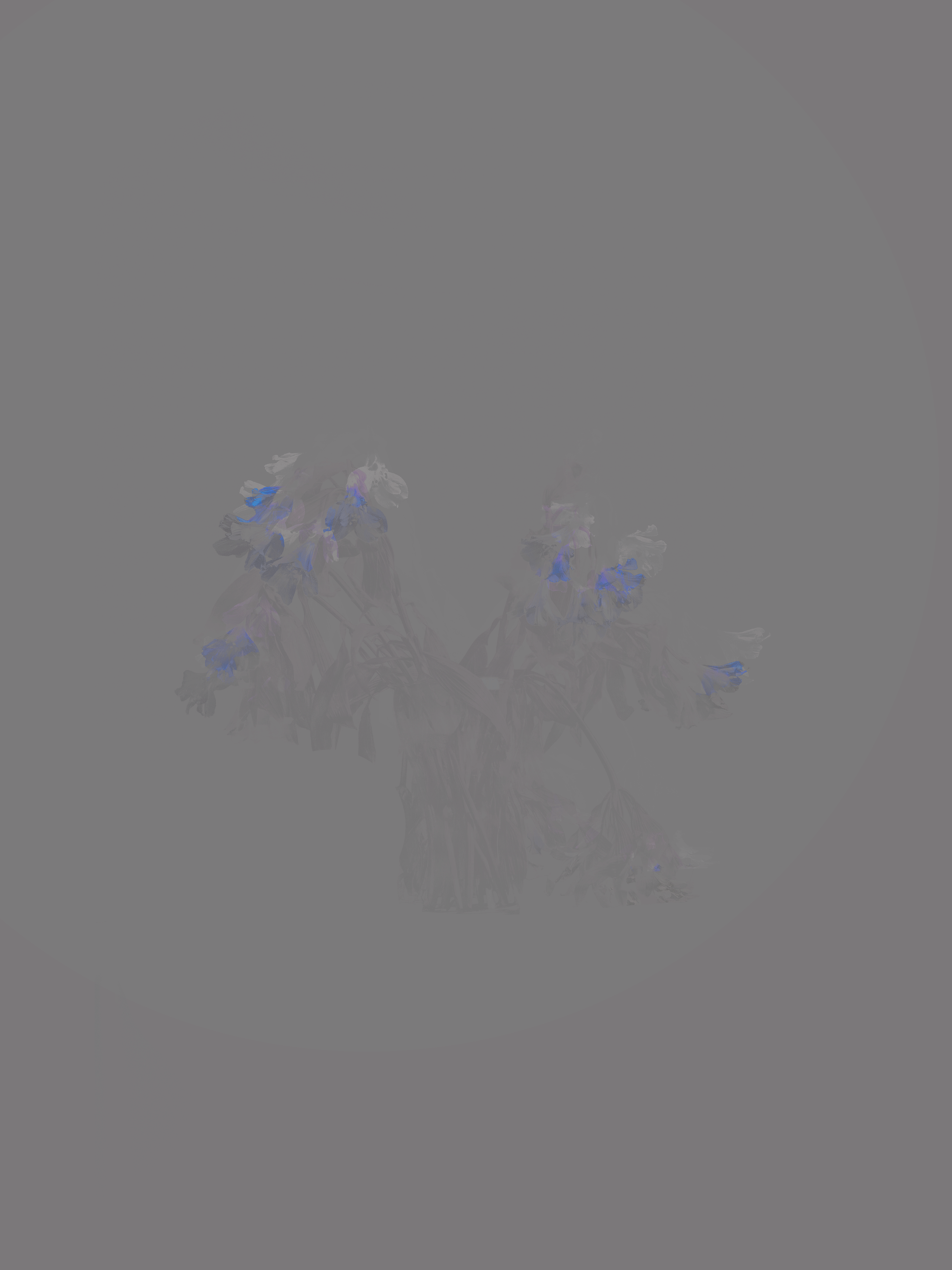
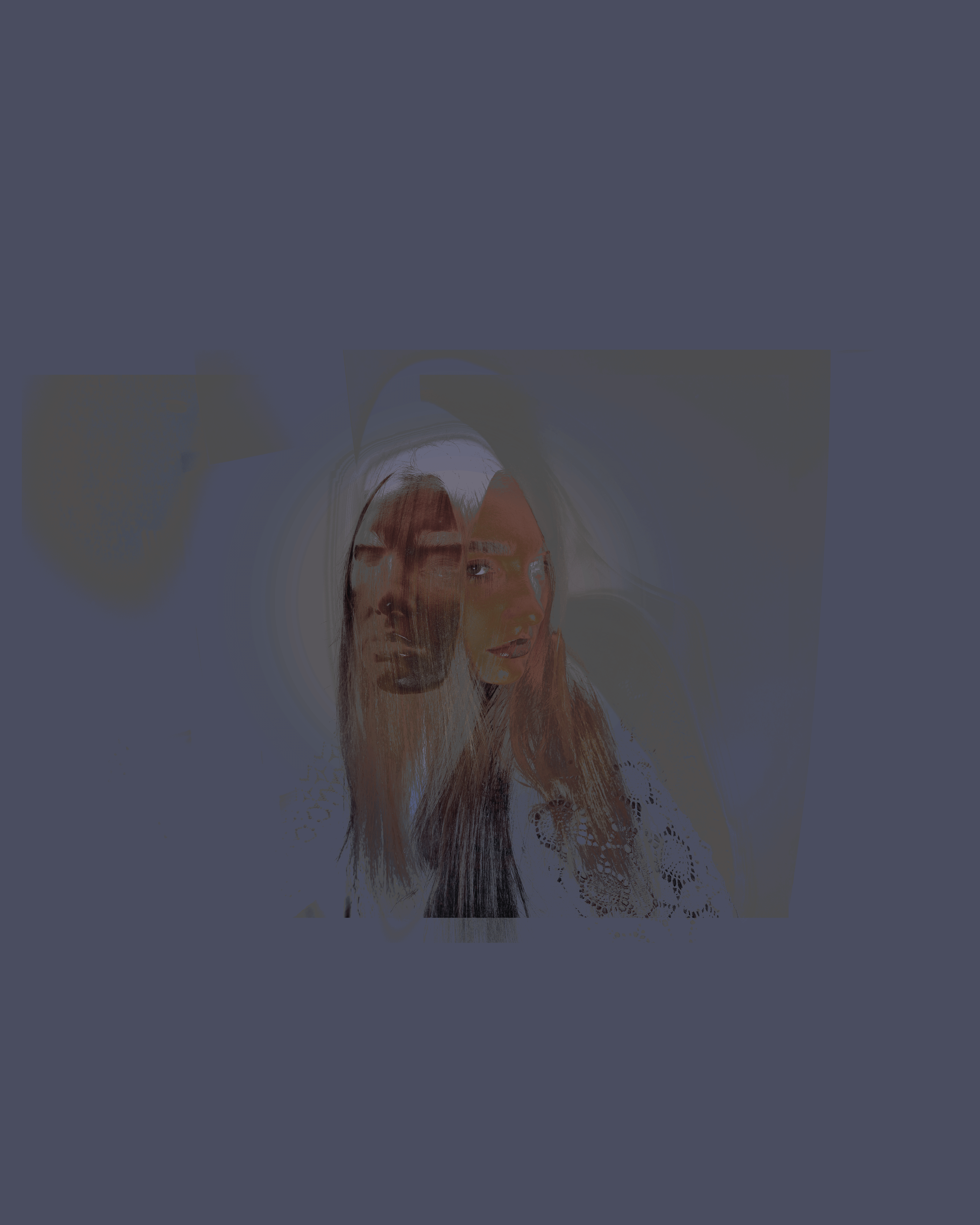
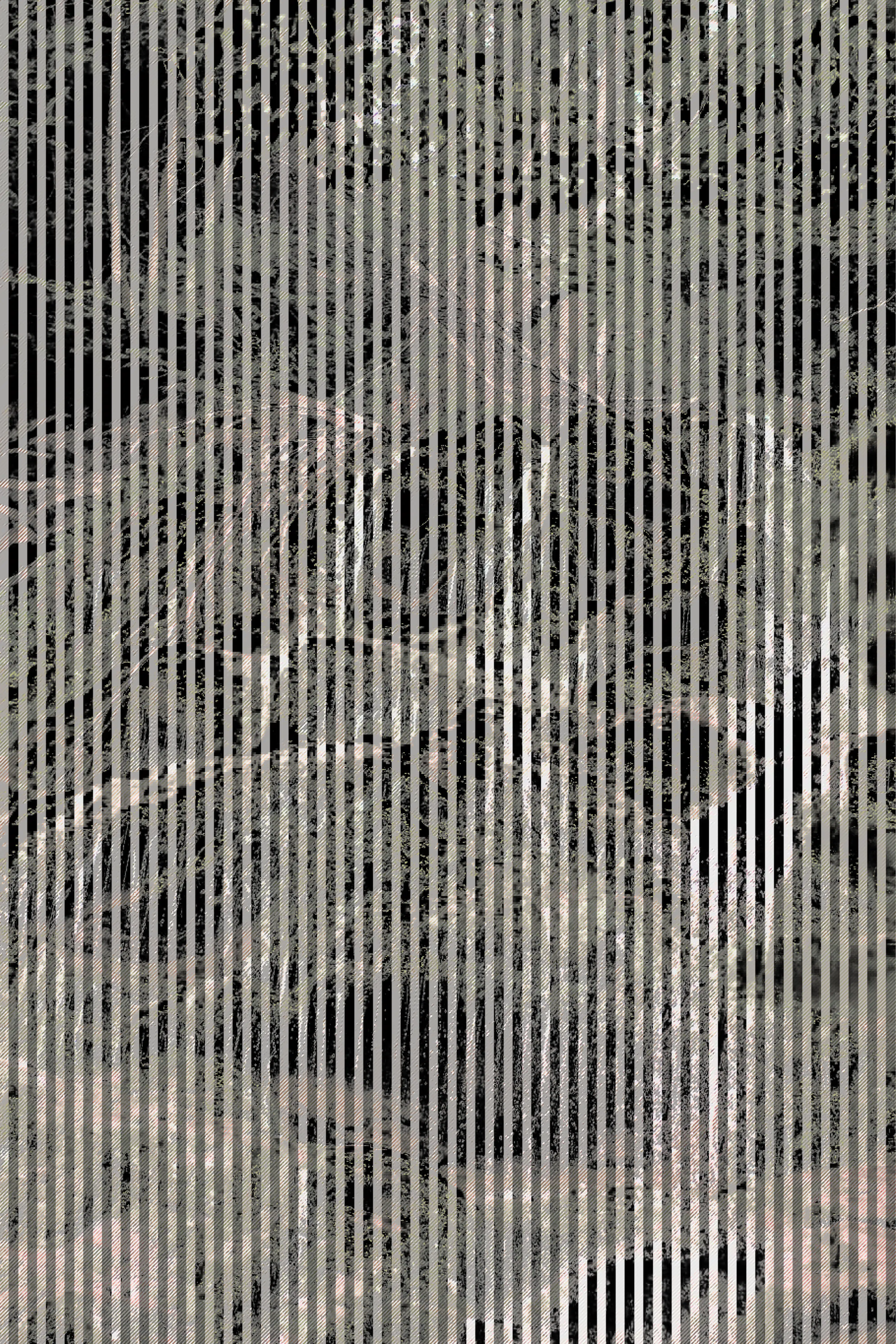
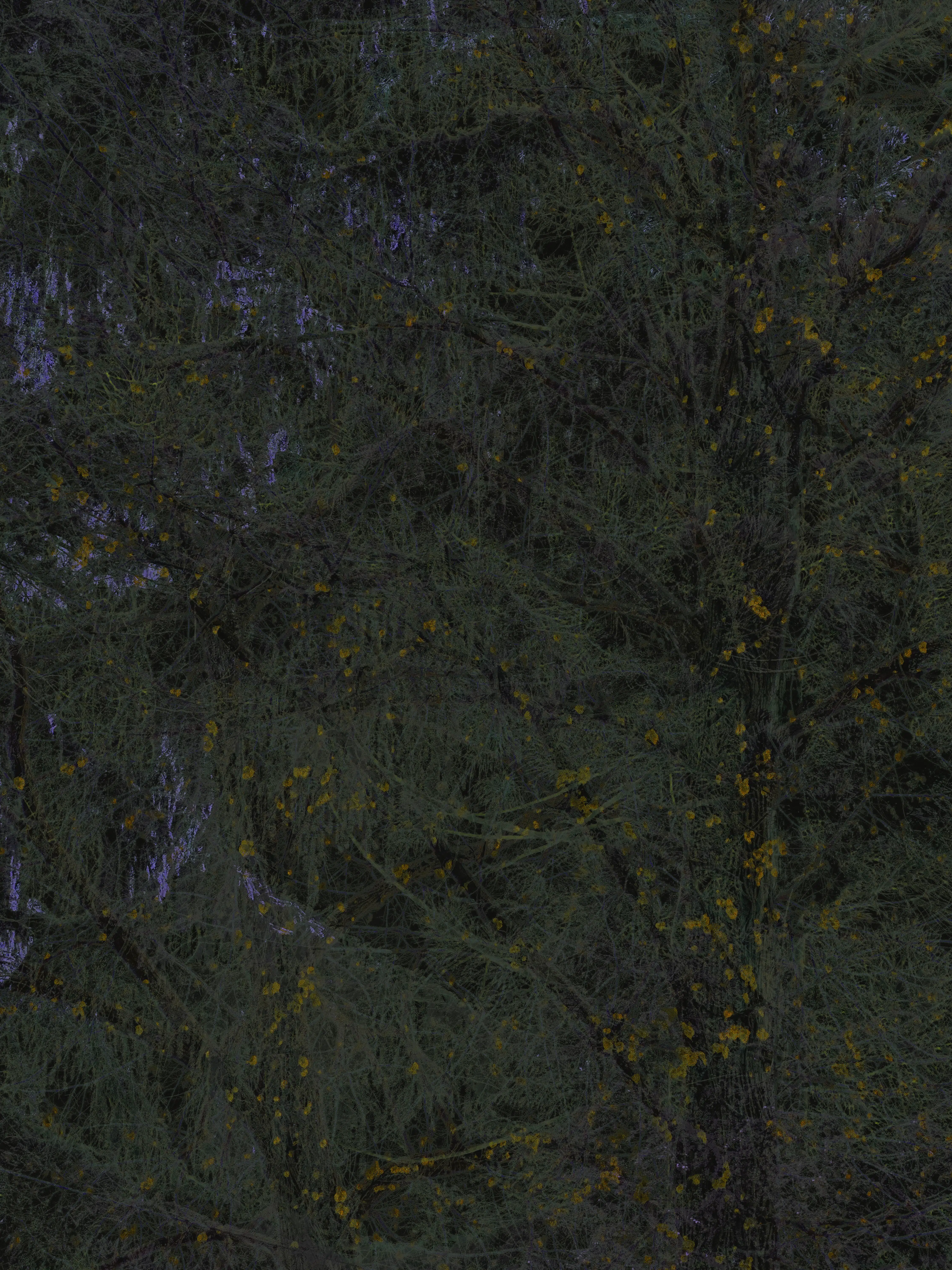
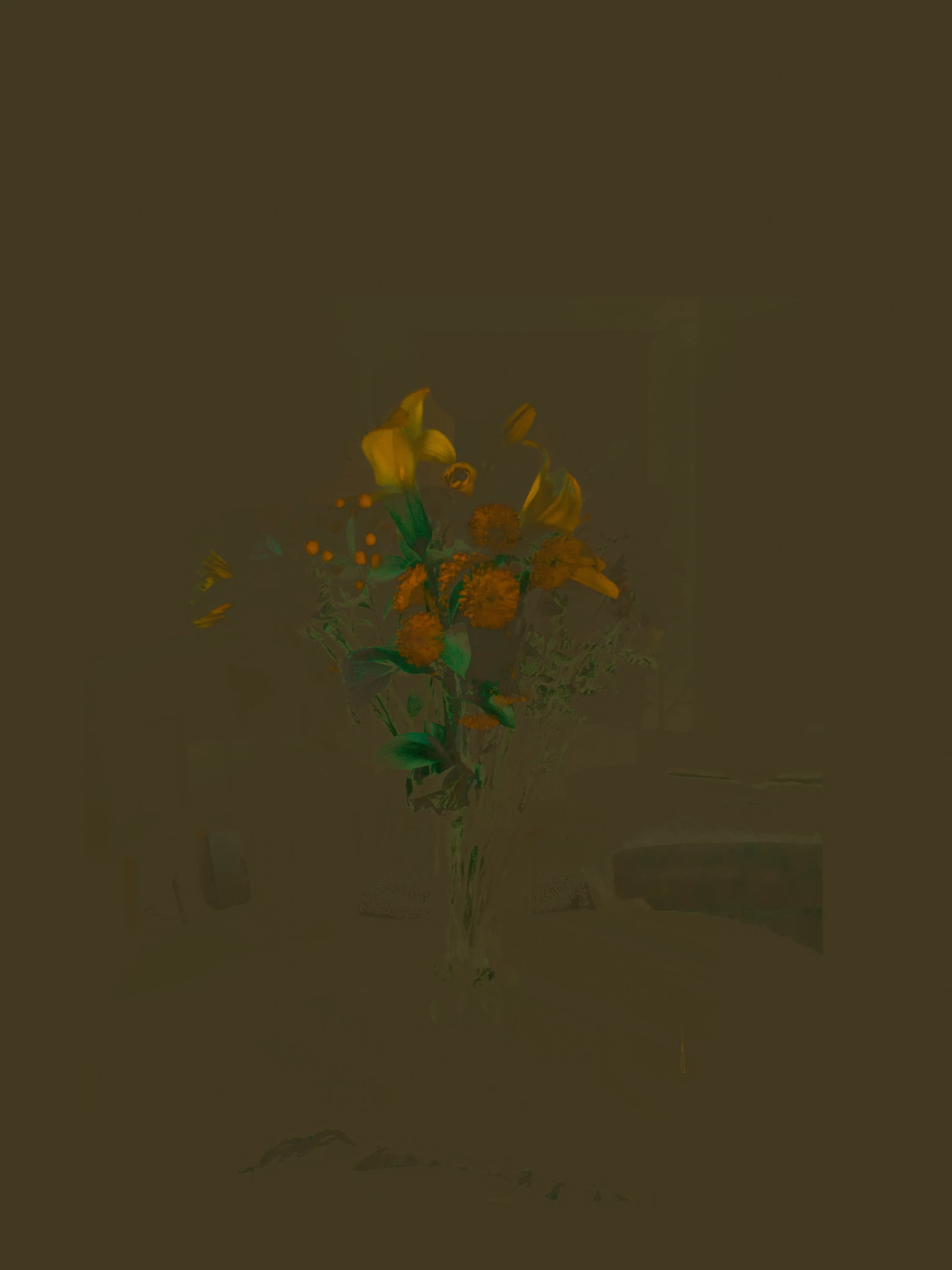
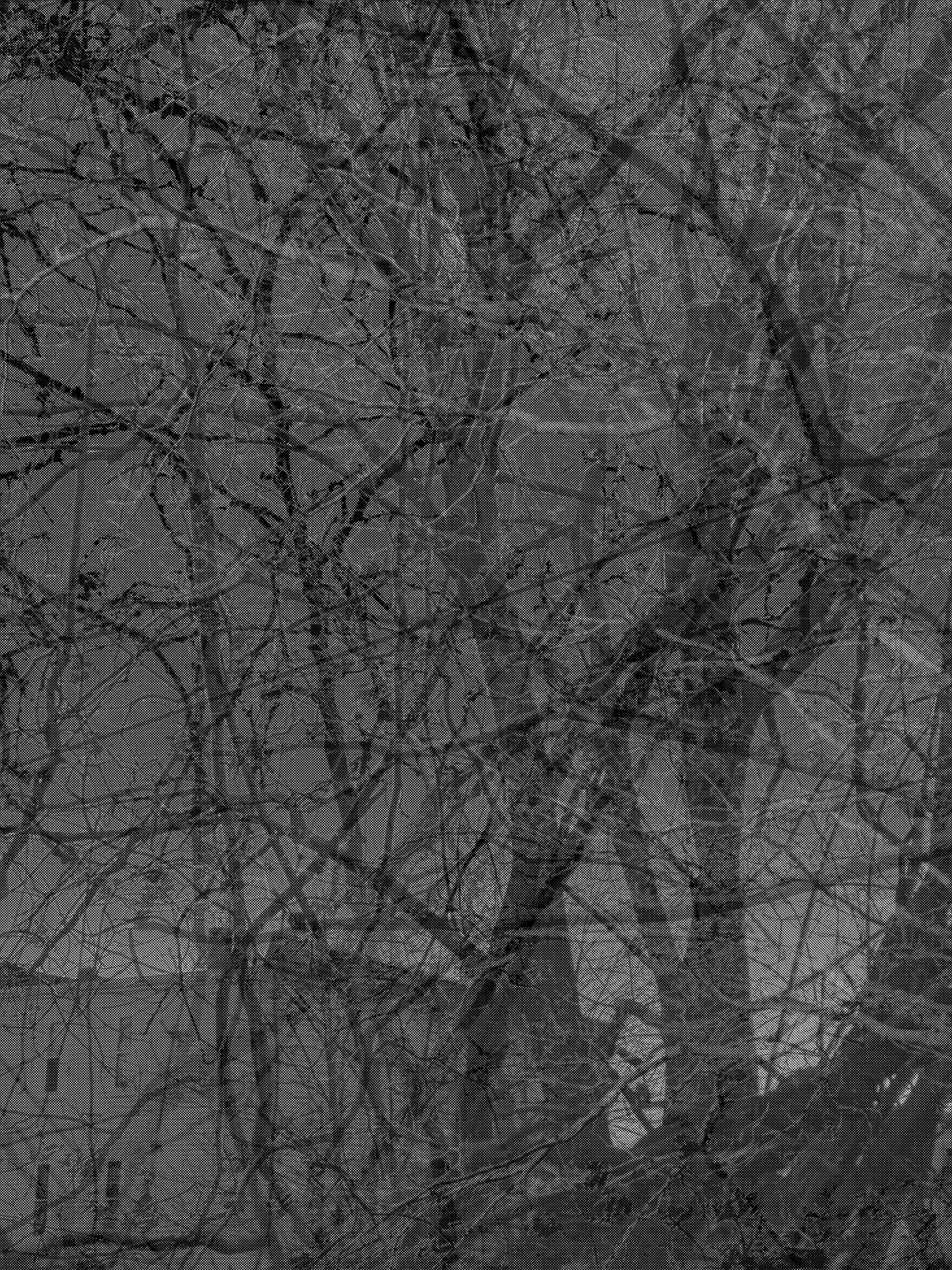
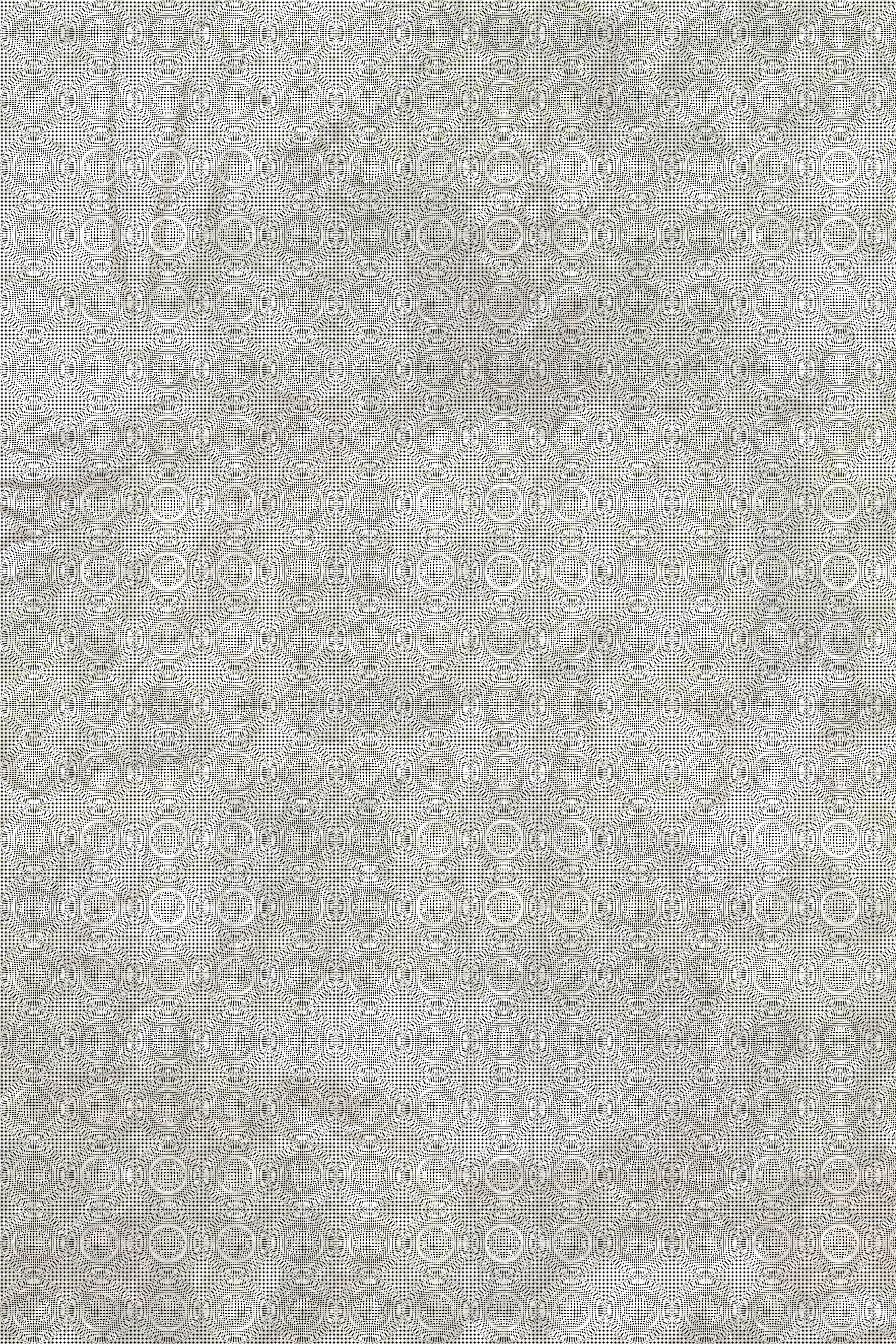
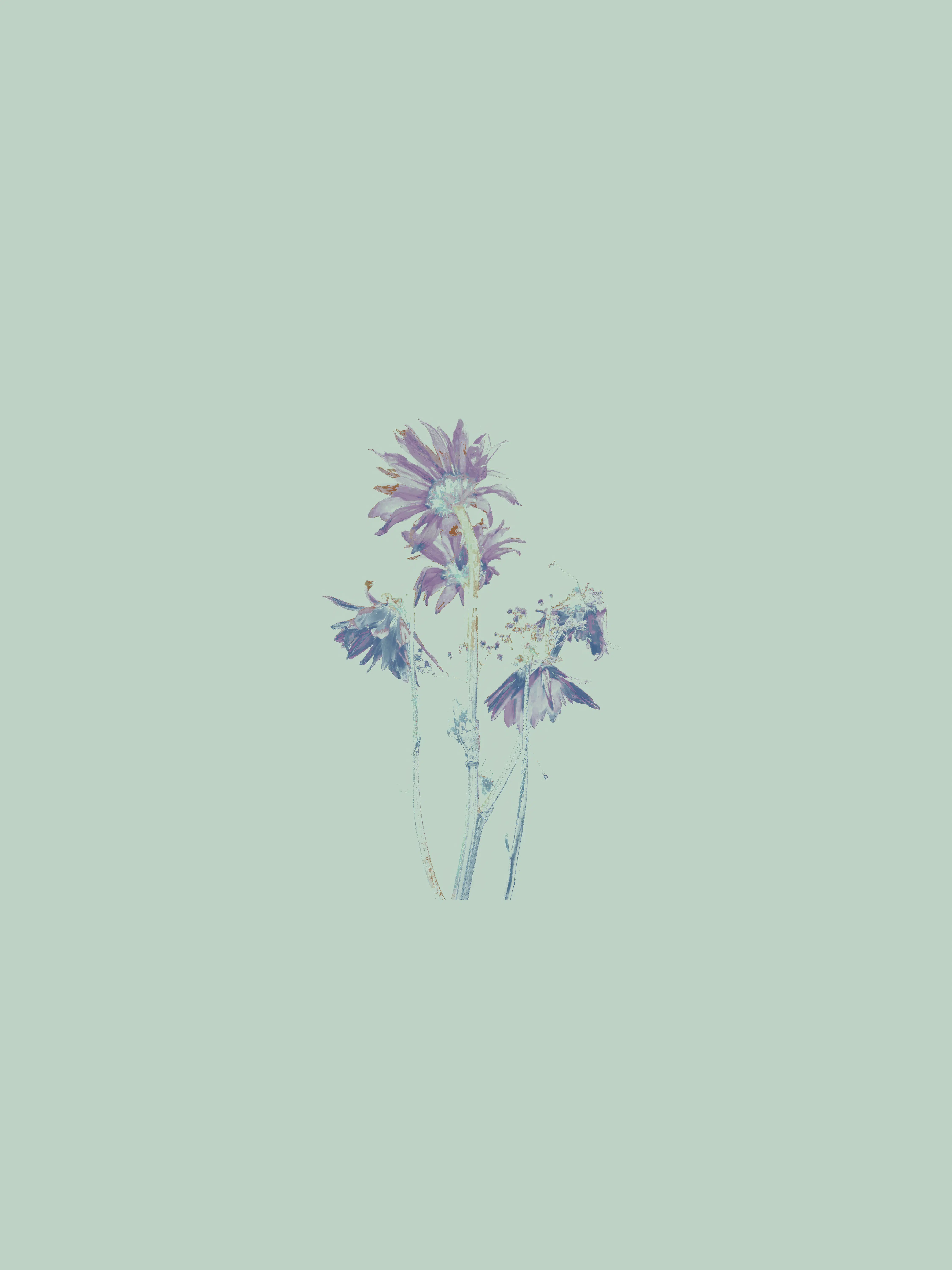
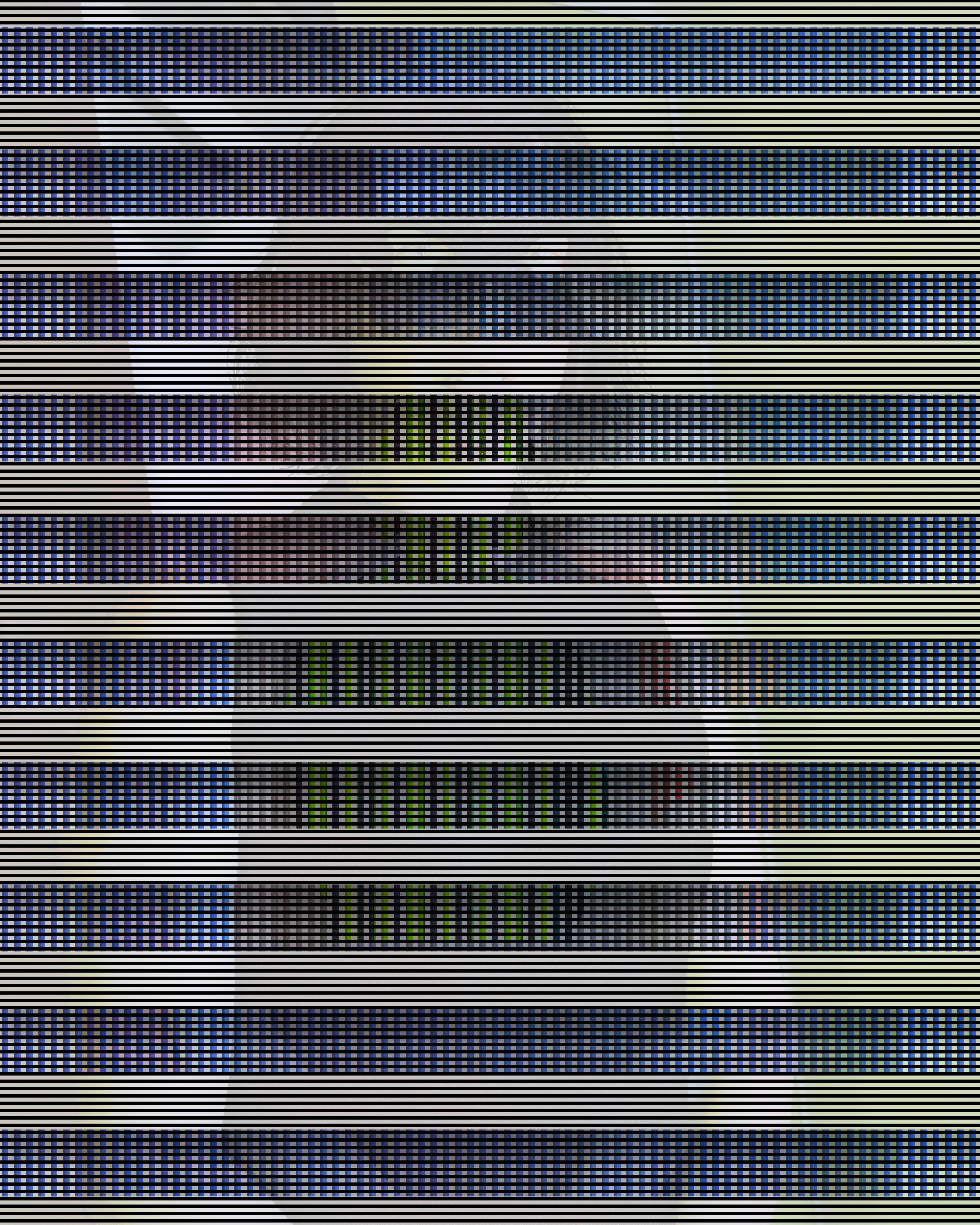
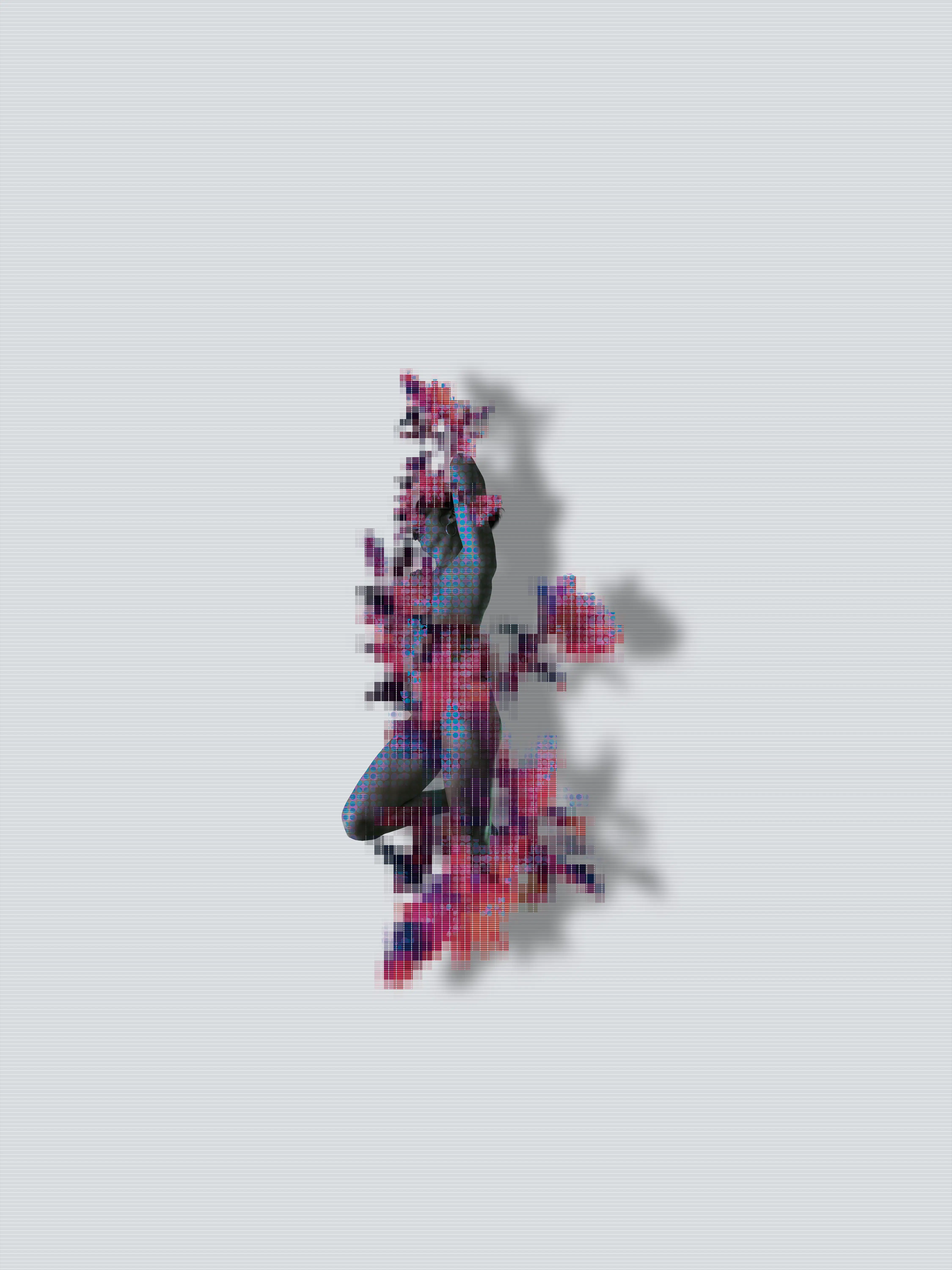
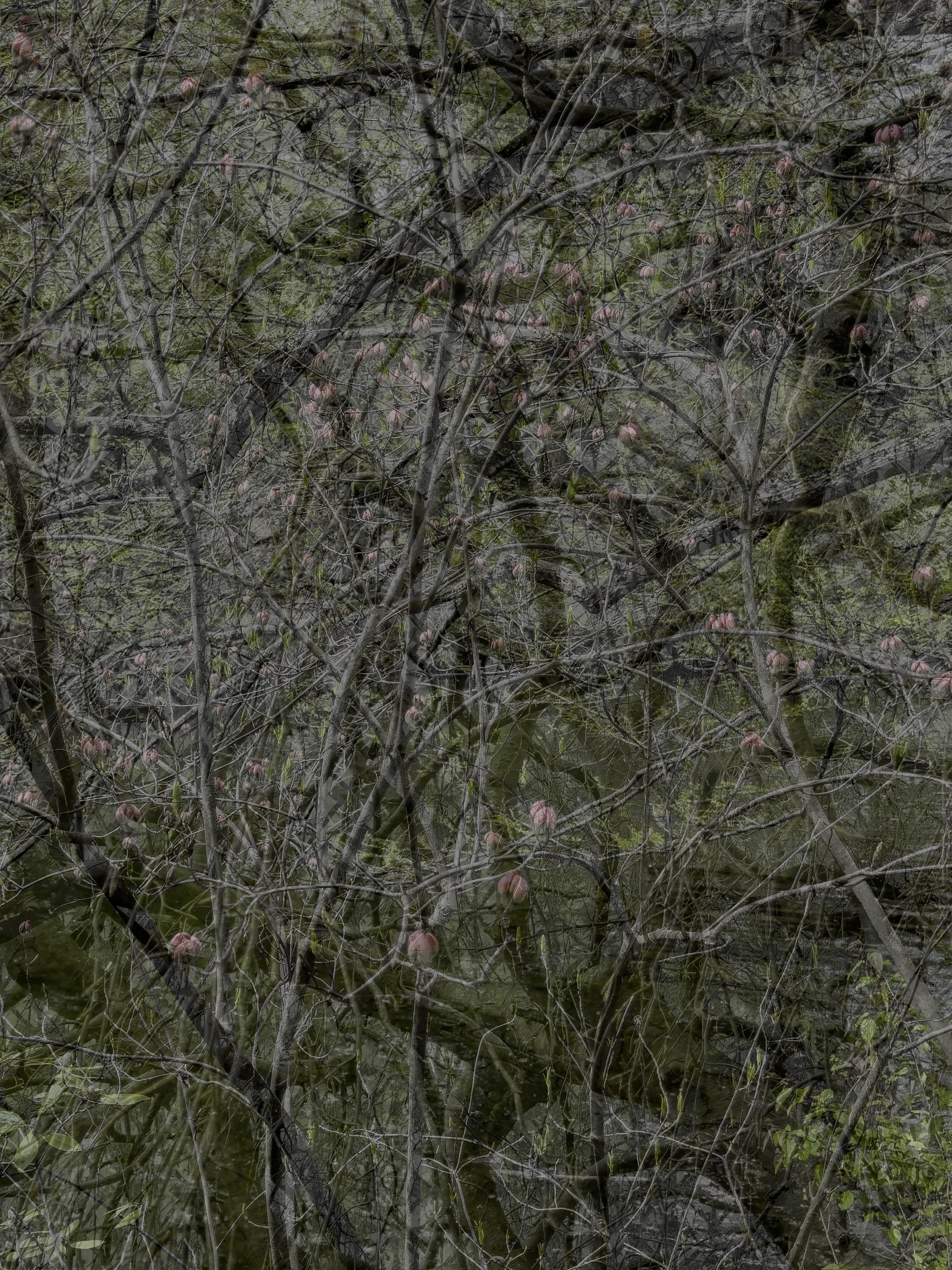
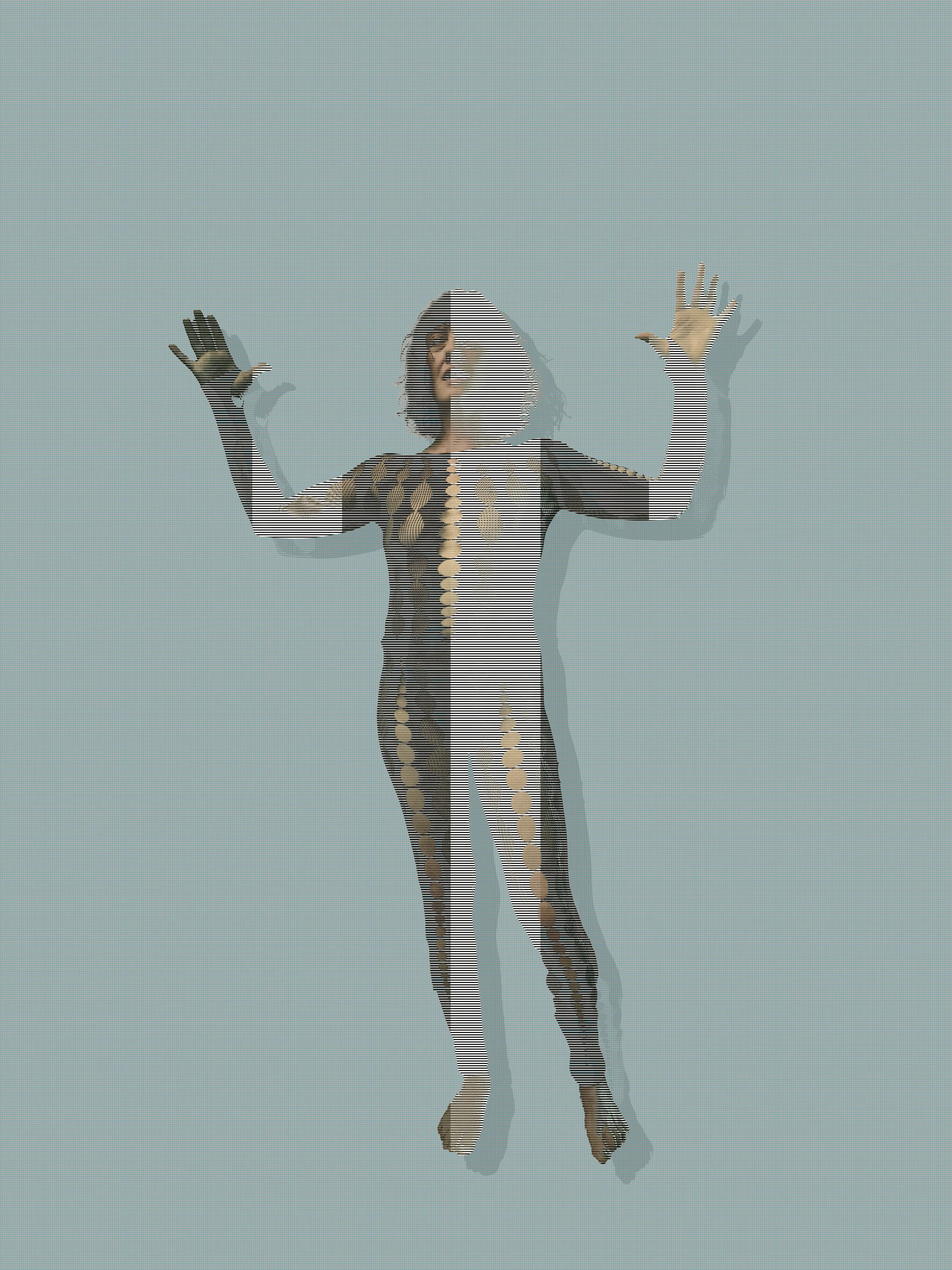
CRADLE is about the fragility of perception.
It is also a longitudinal survey of my two dimensional work since 2004.
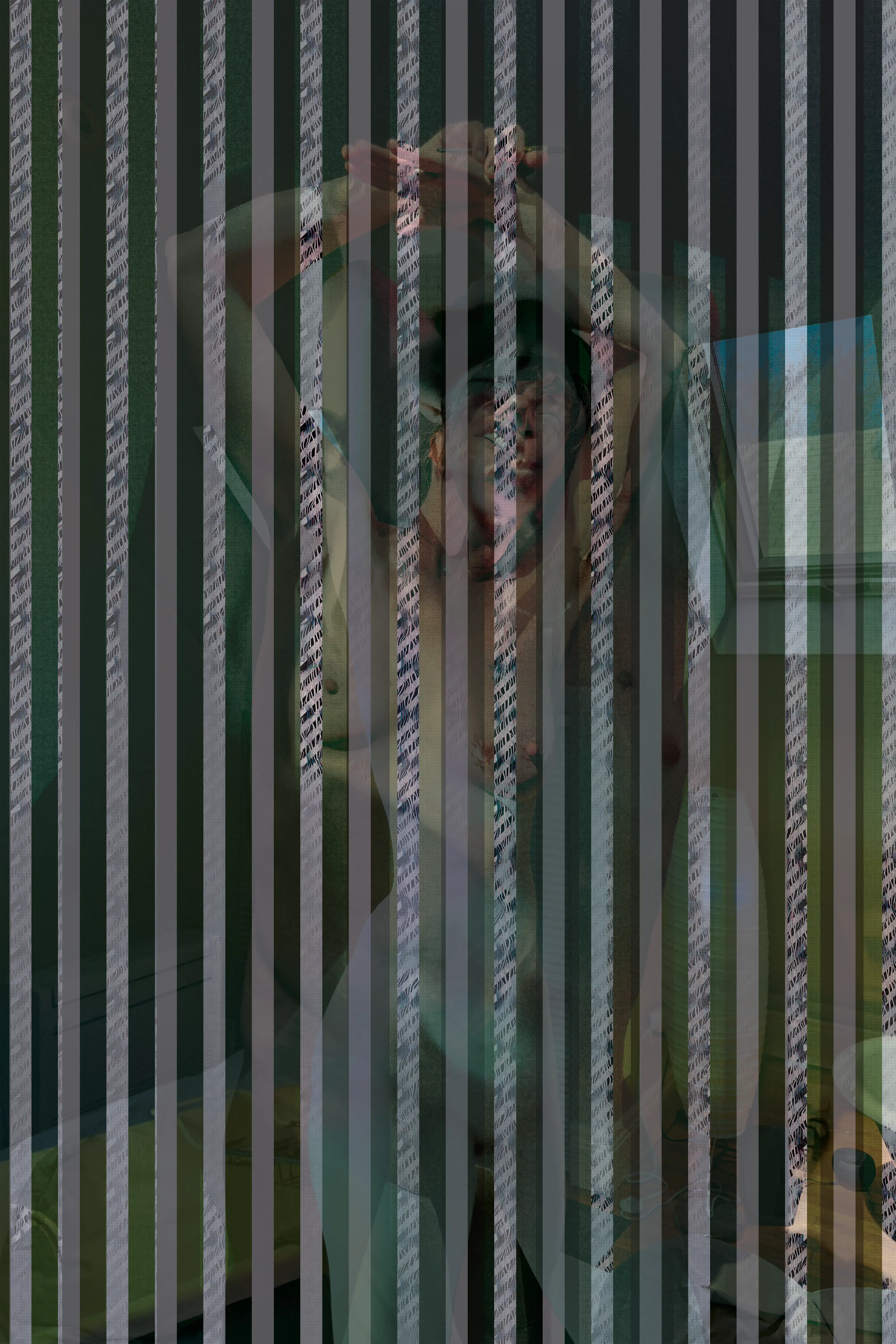
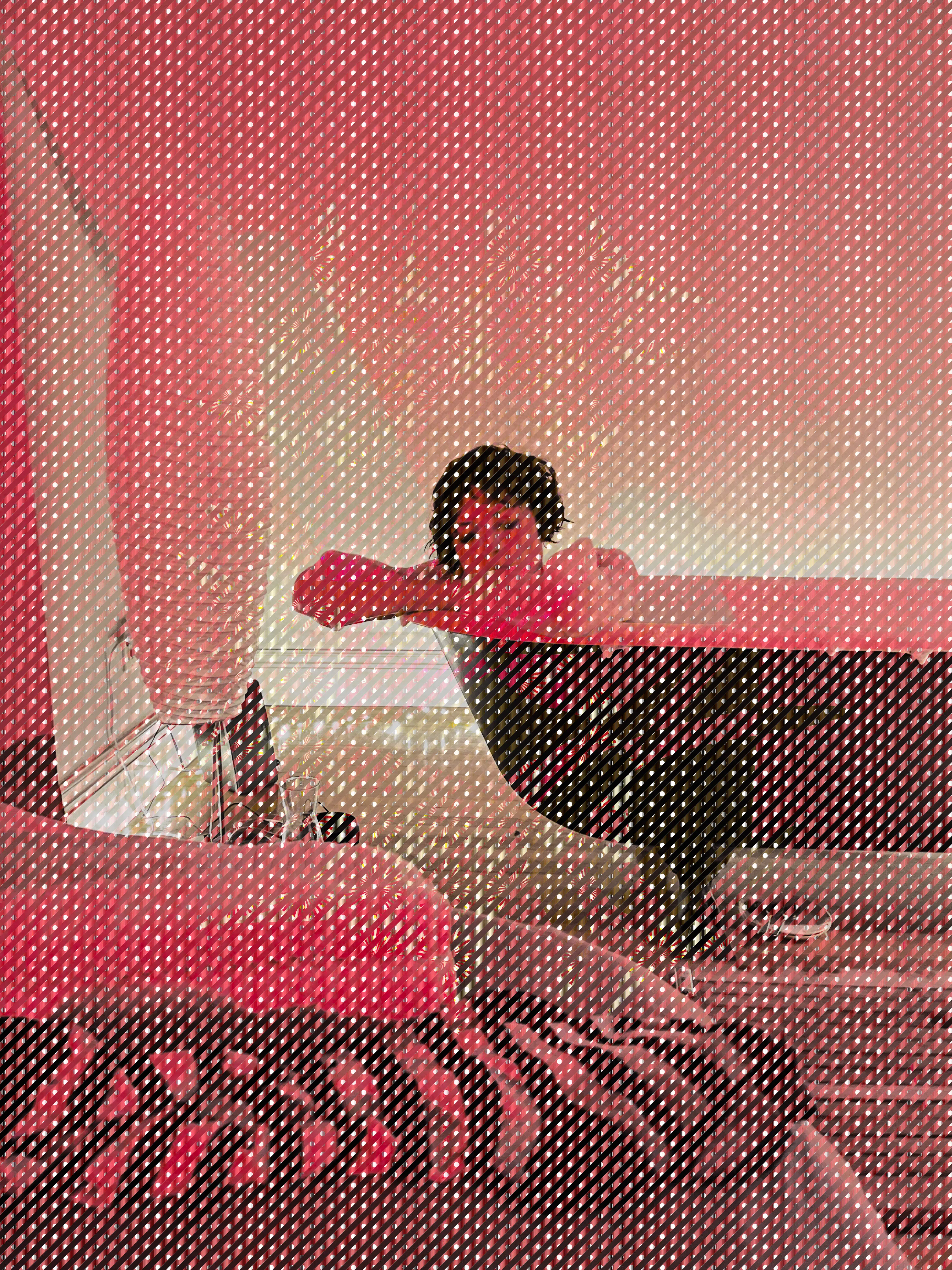
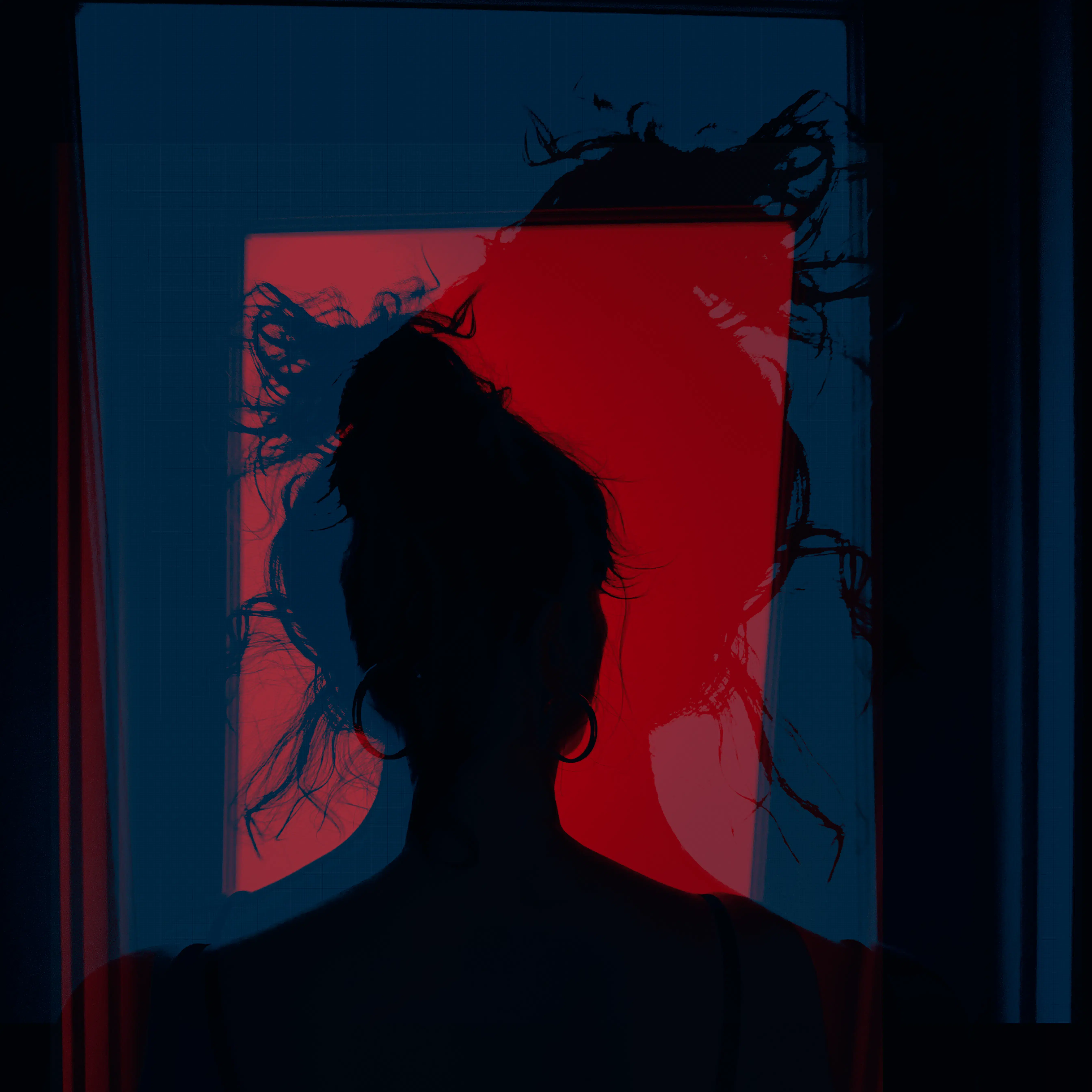
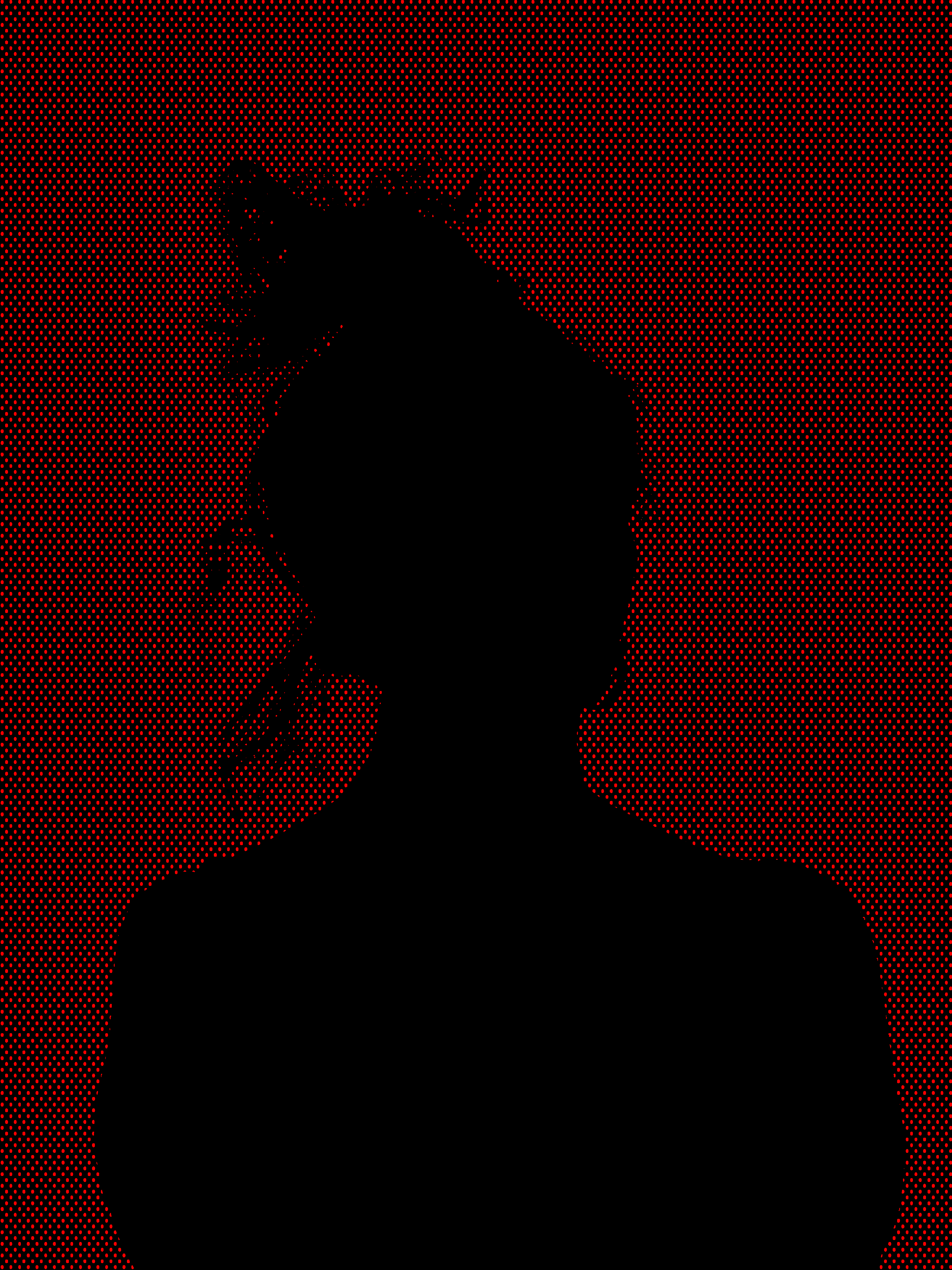
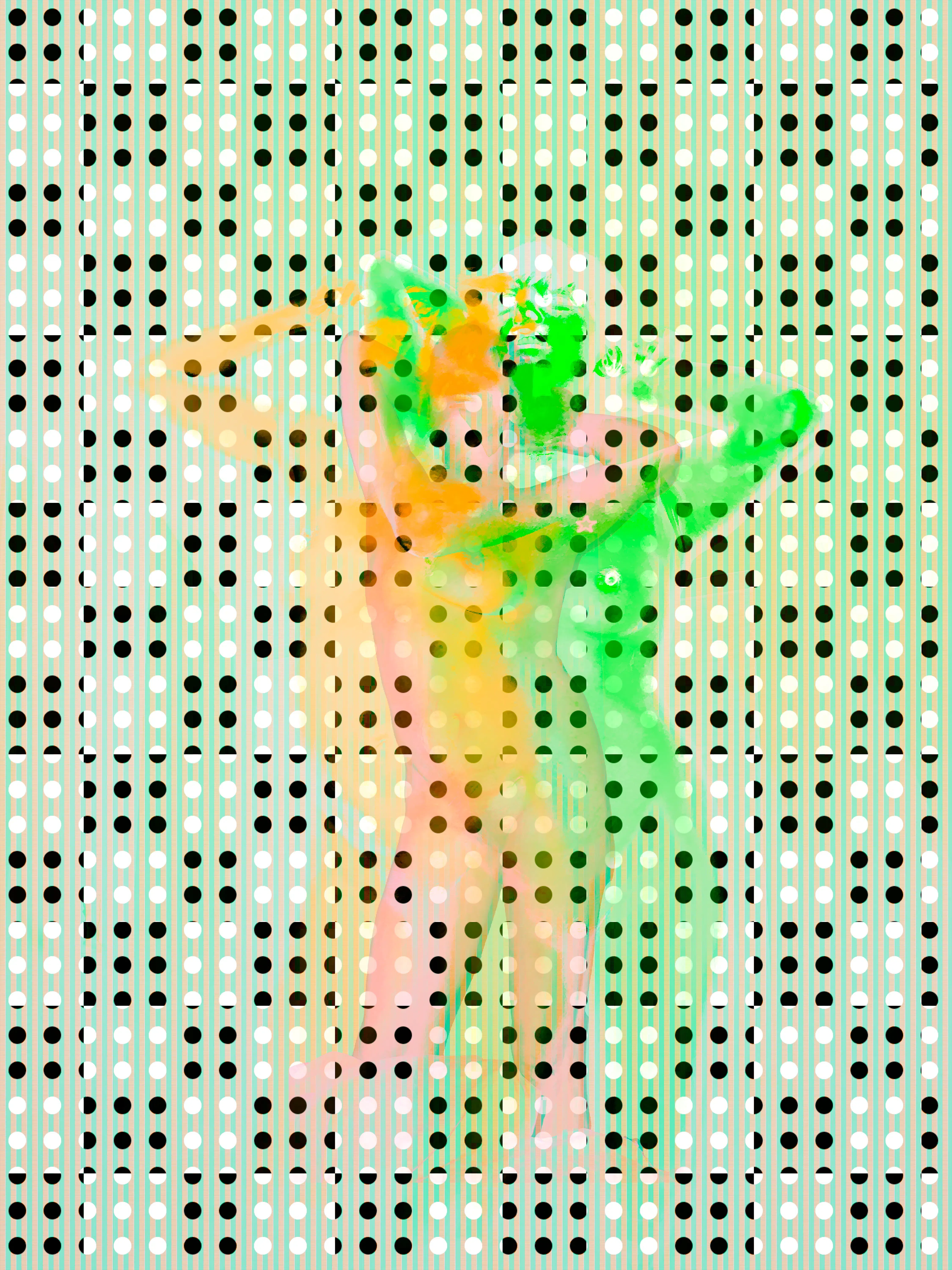
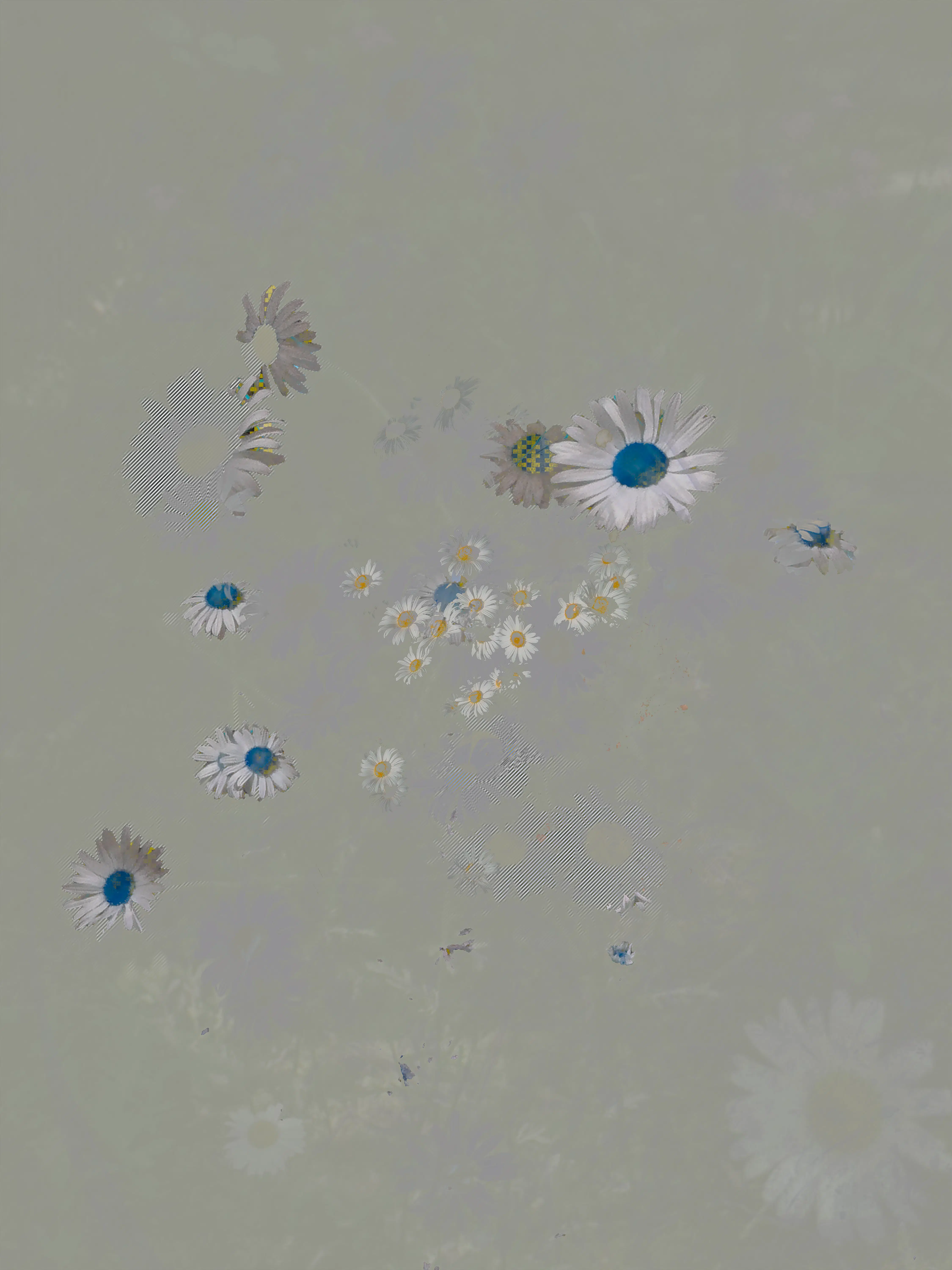
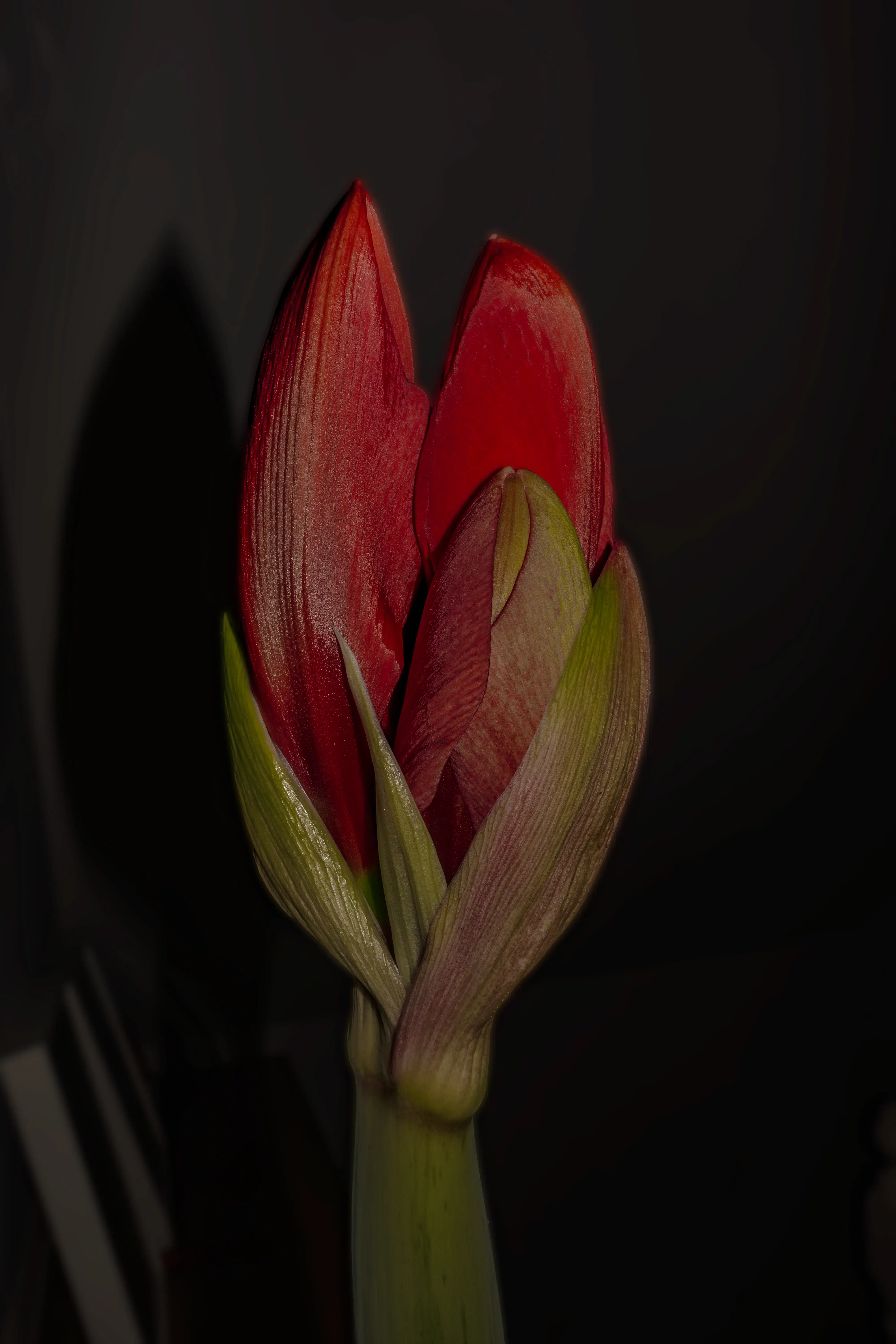
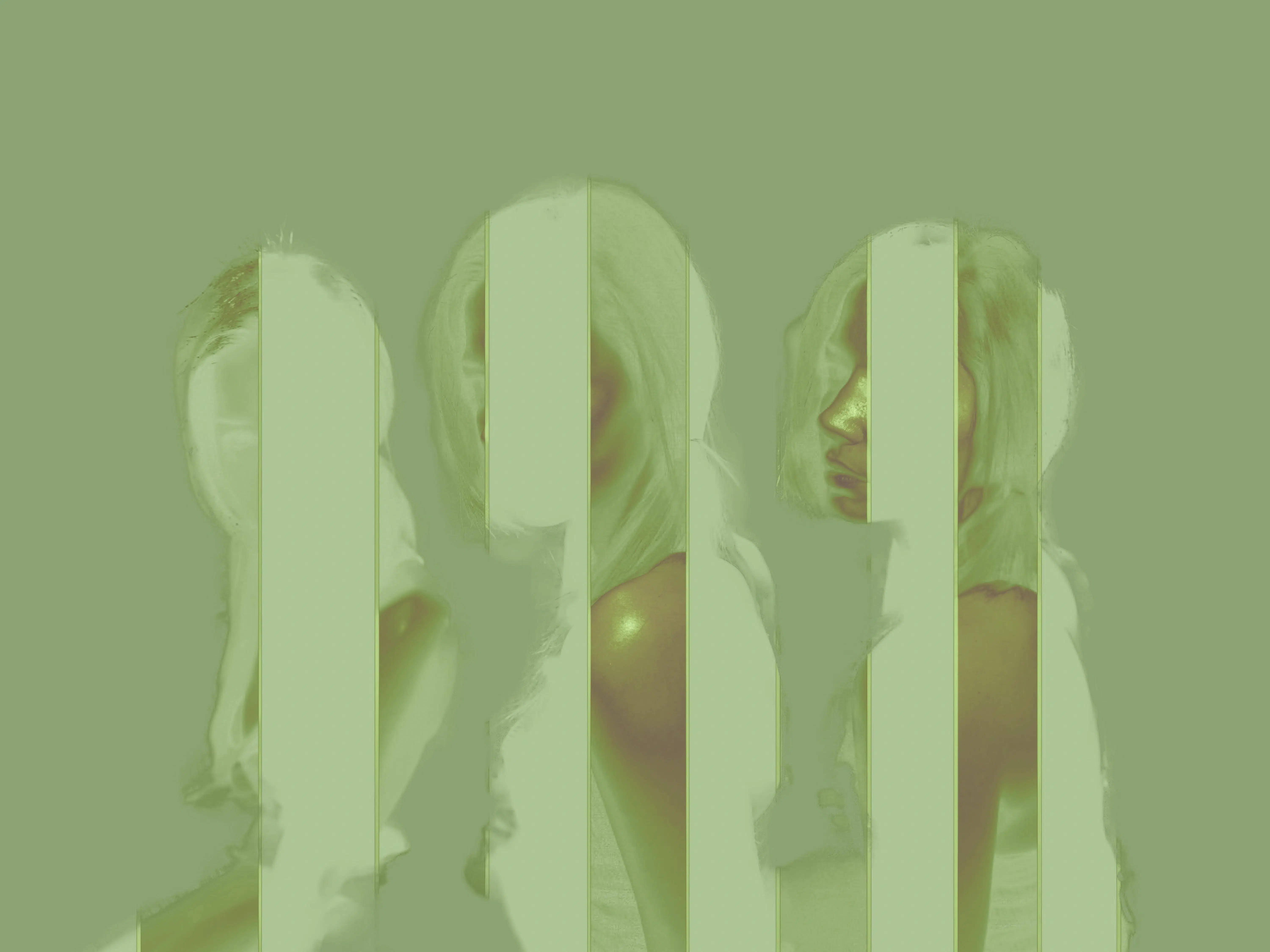
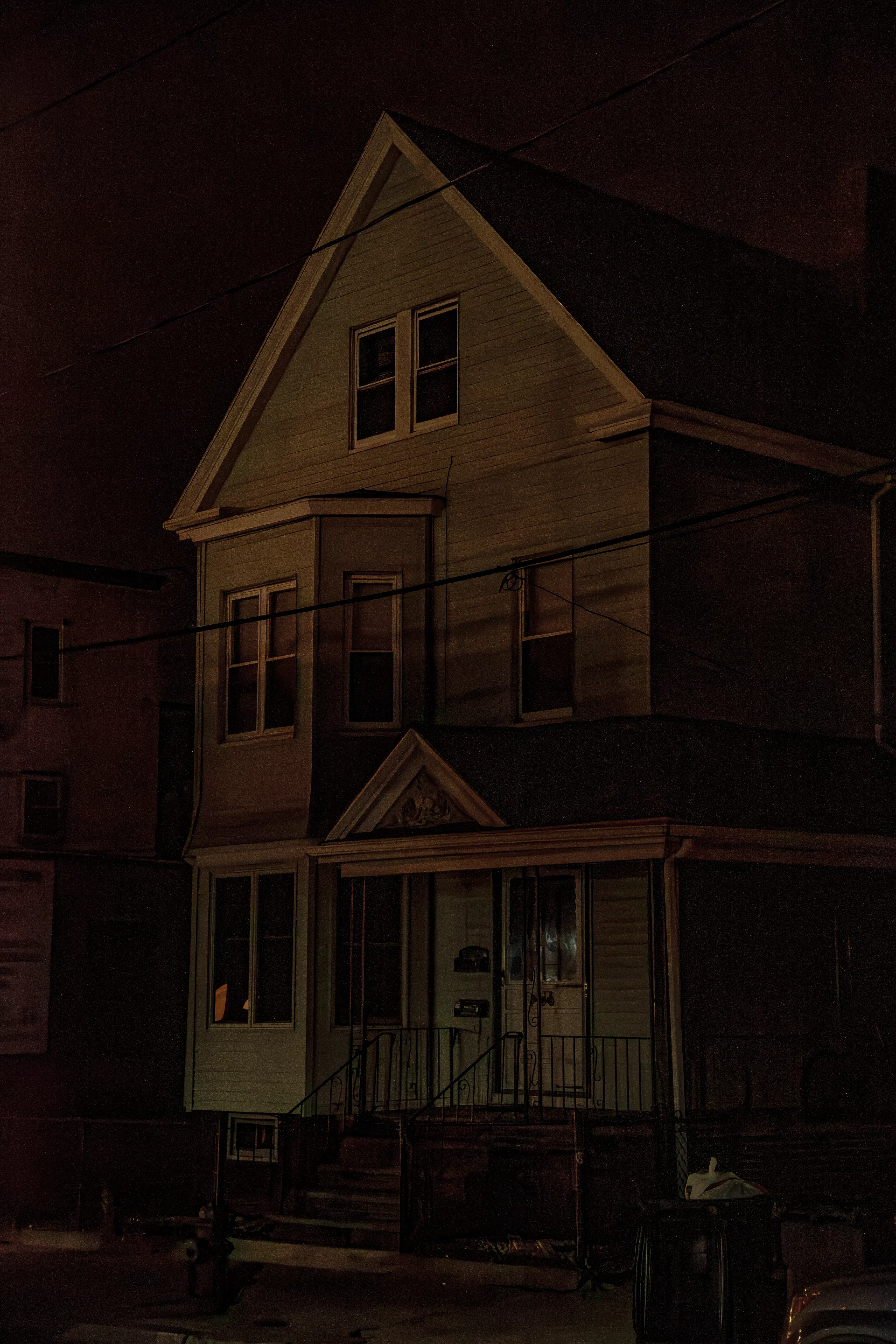
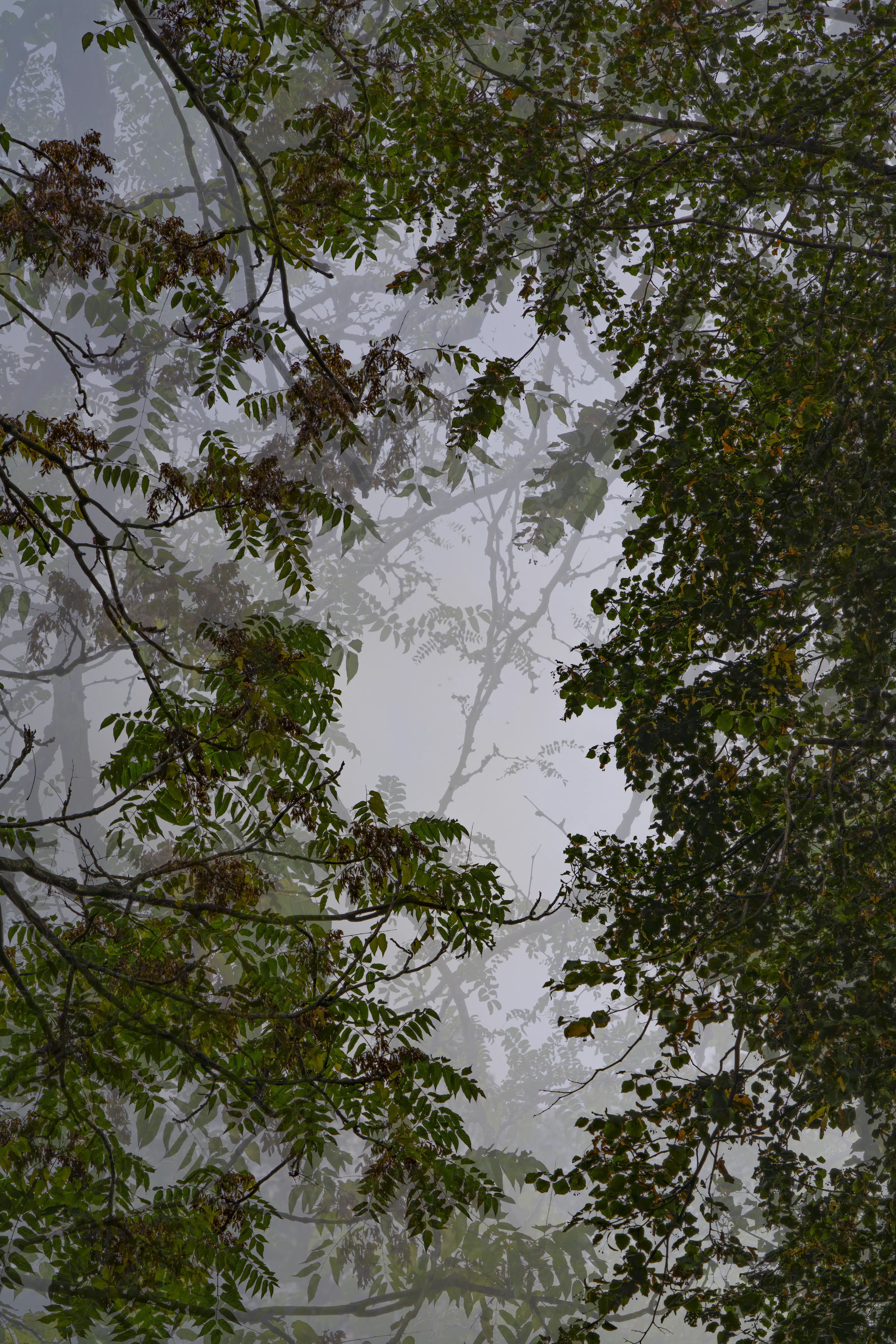
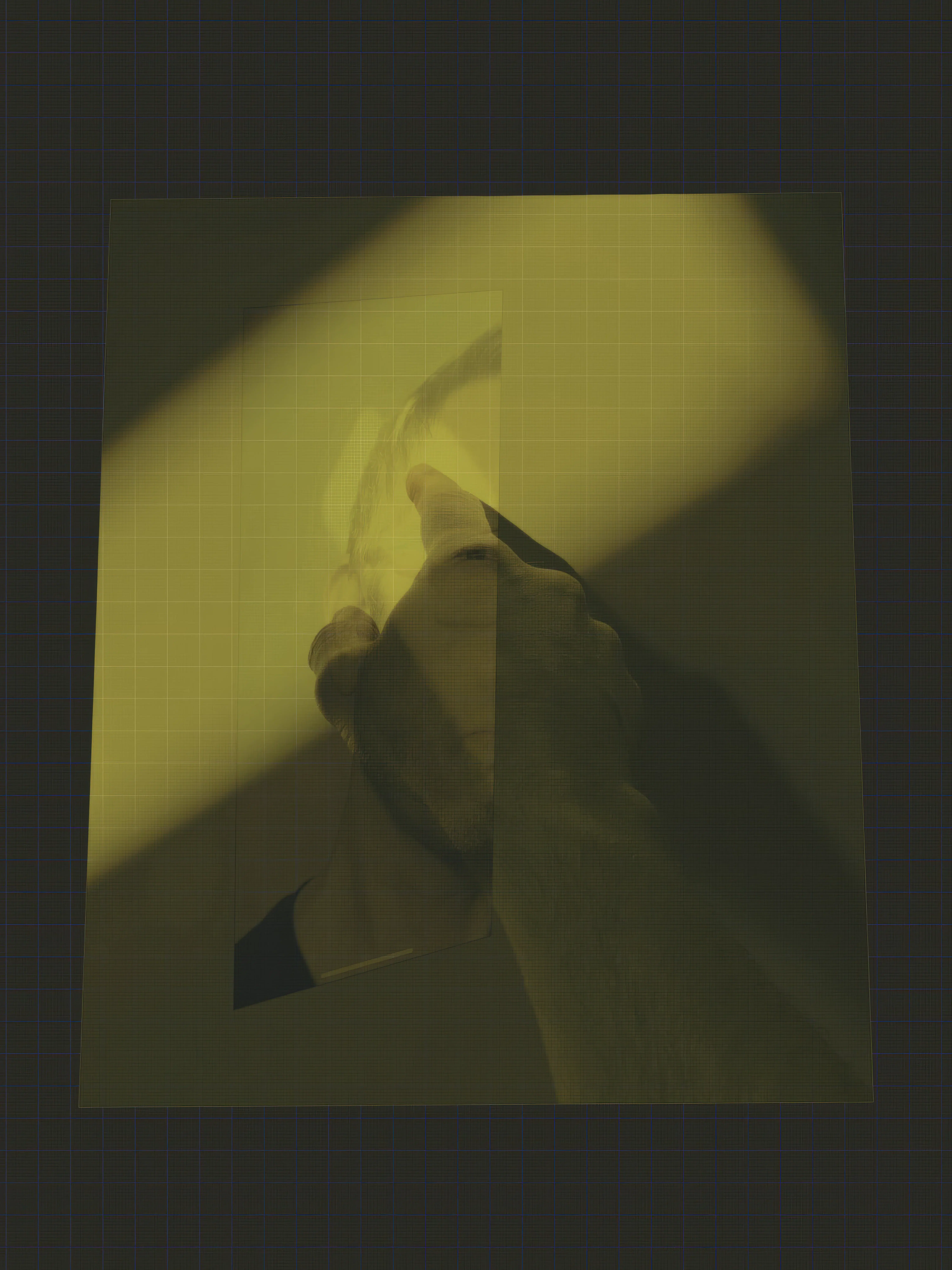
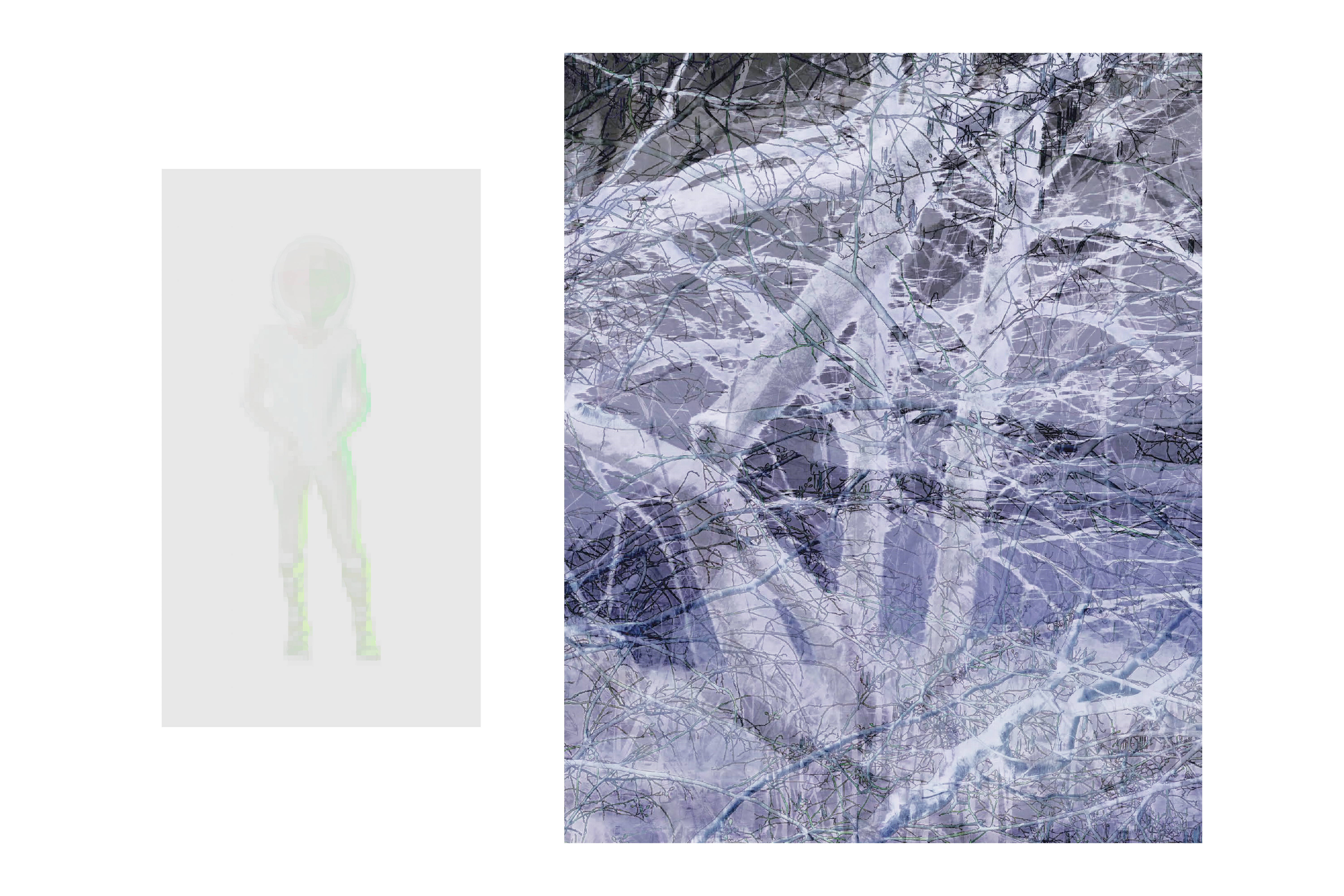
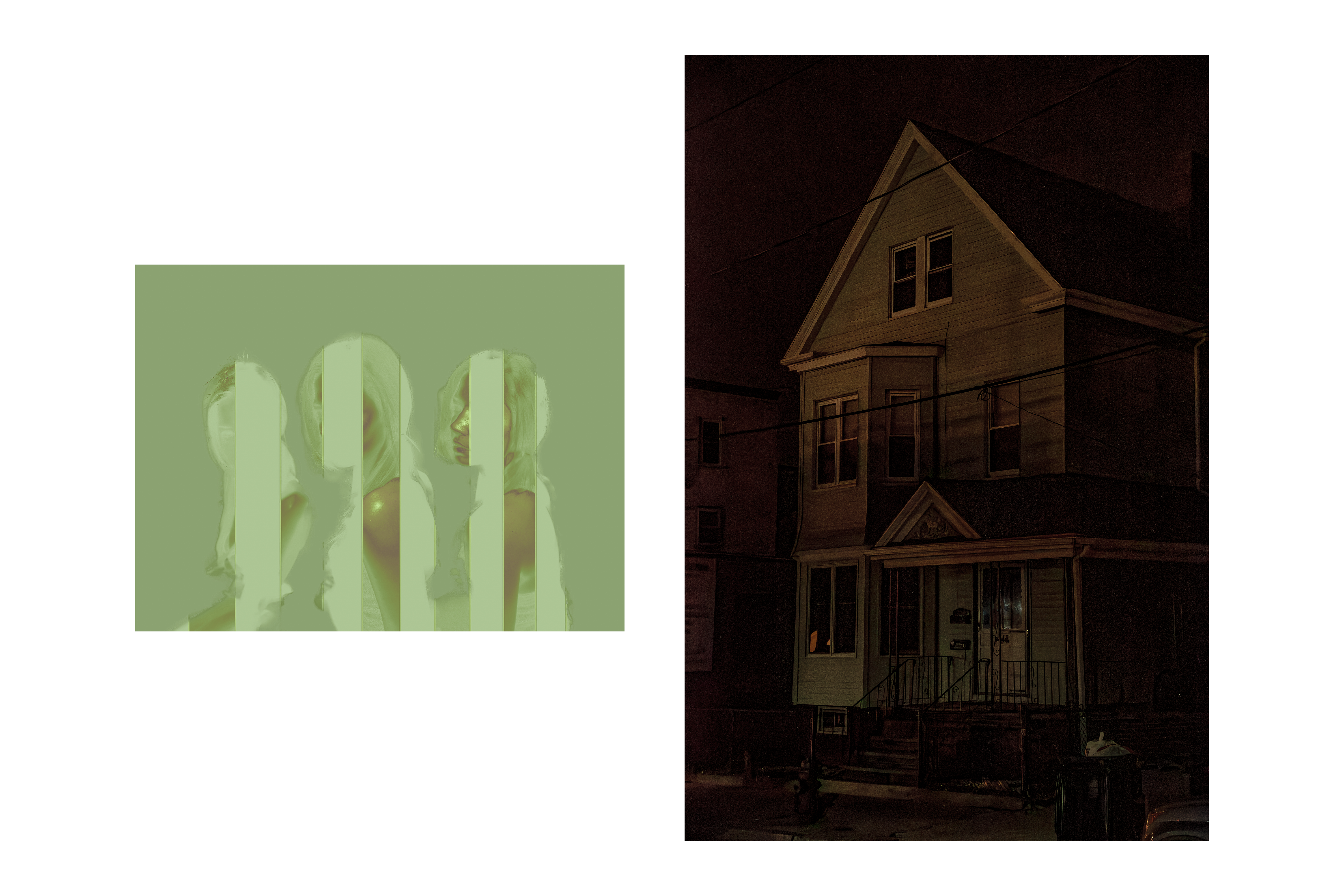
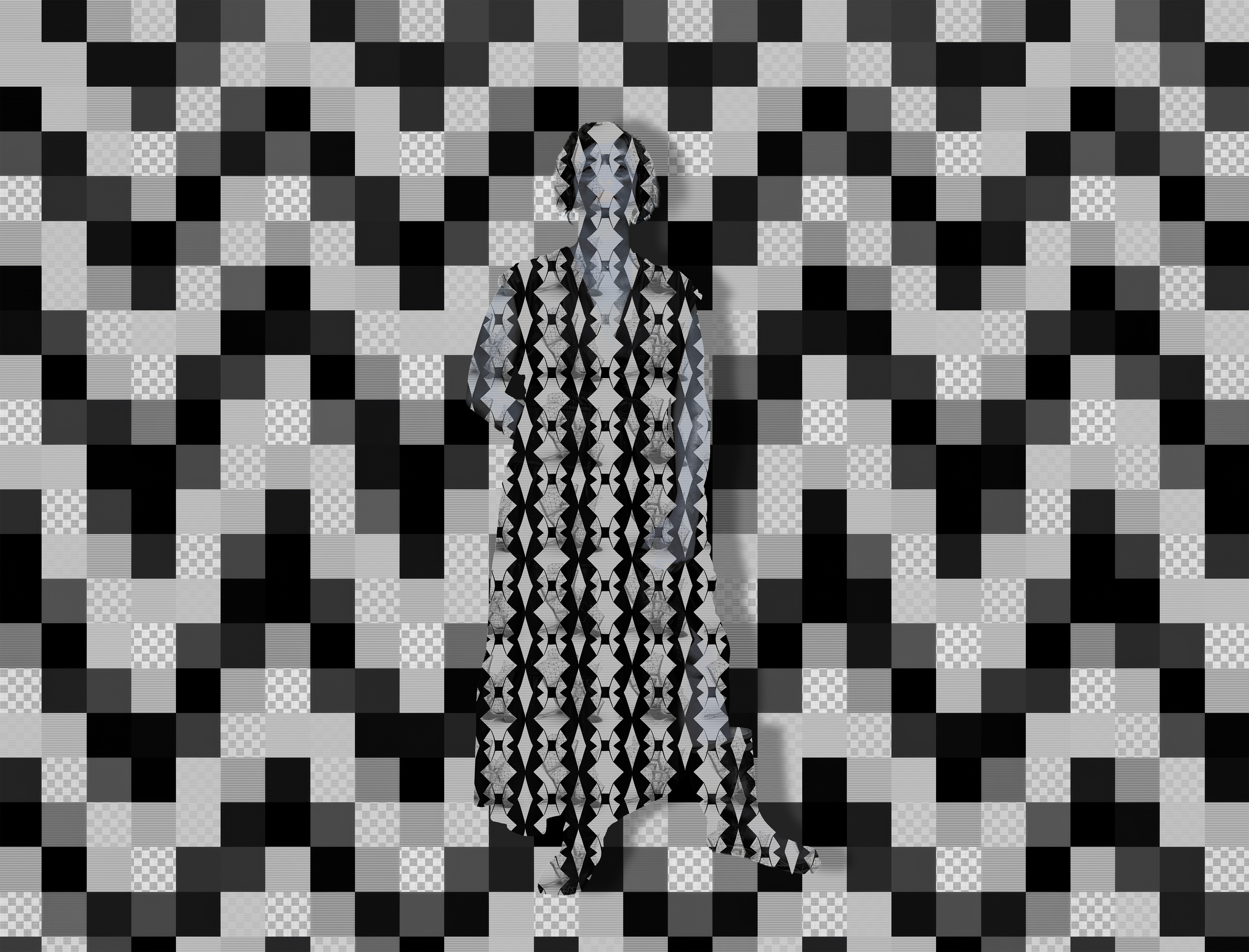
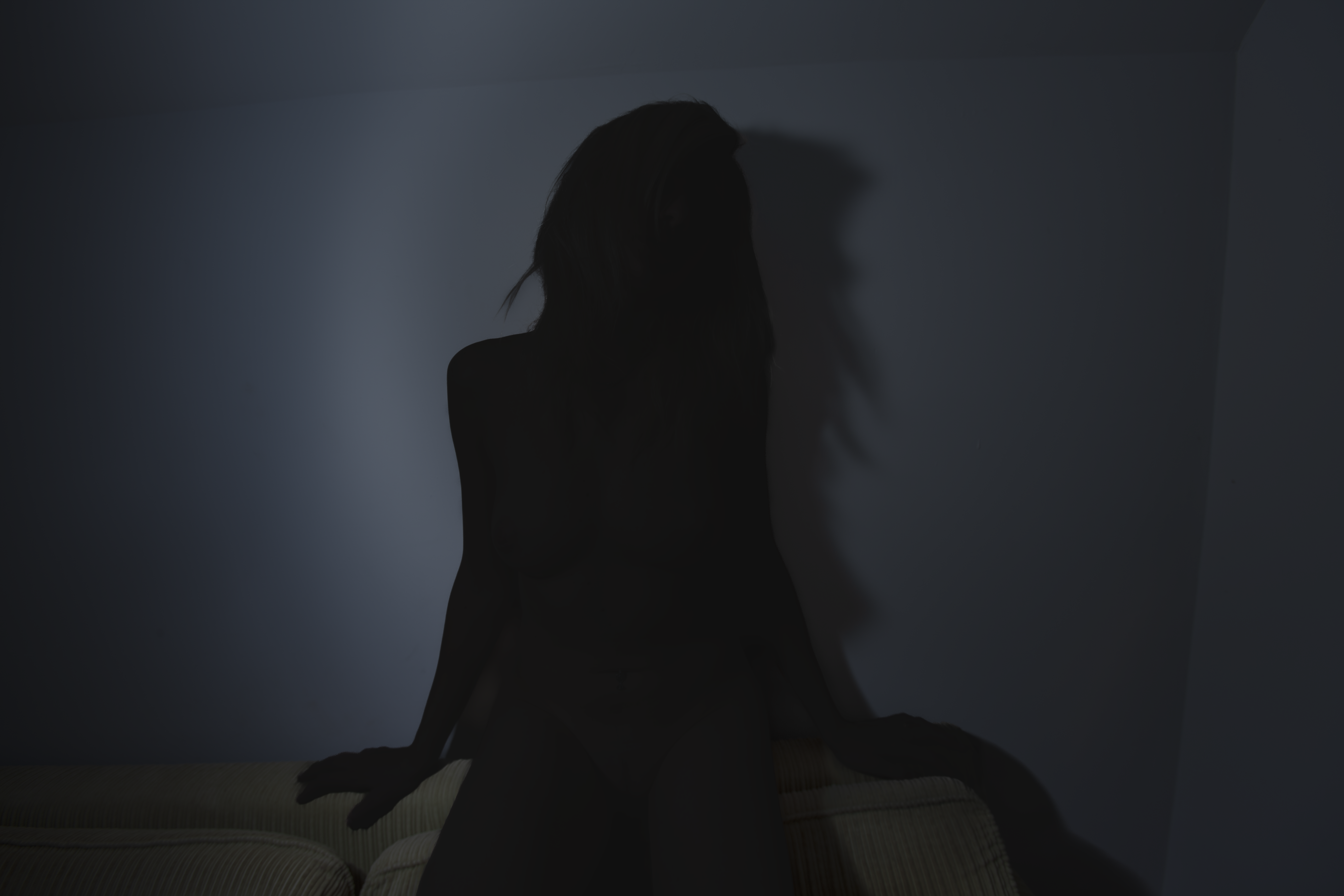
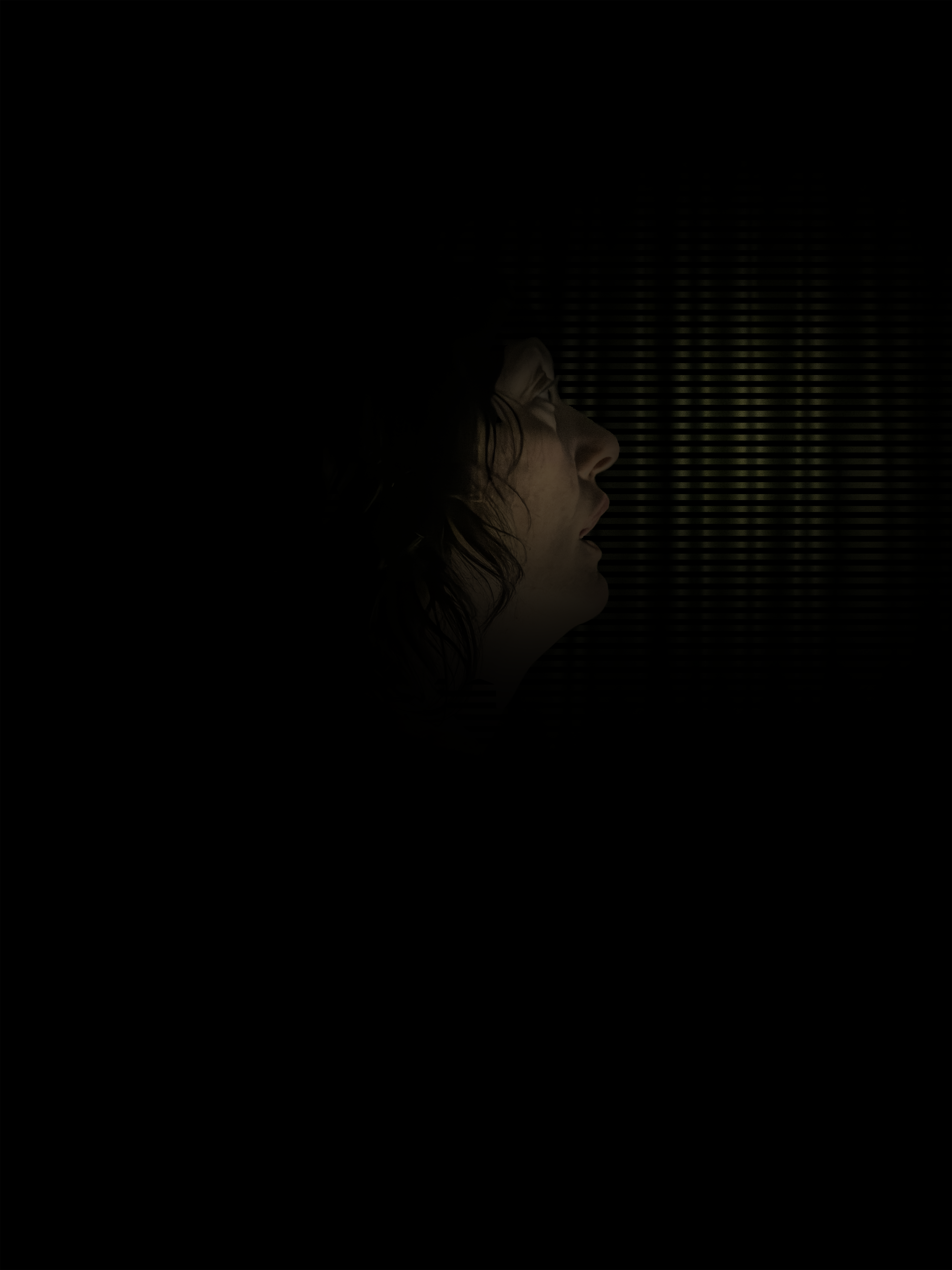
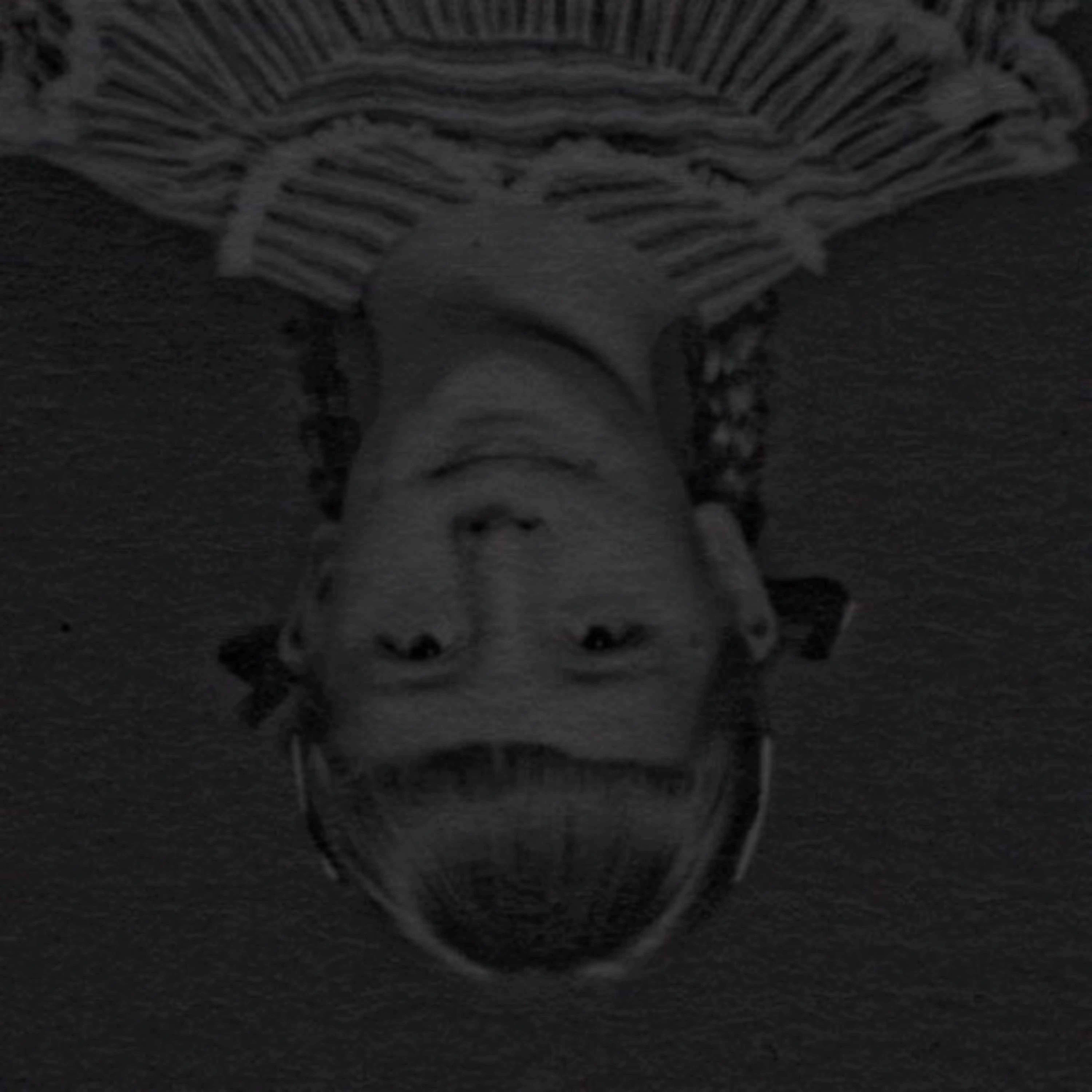
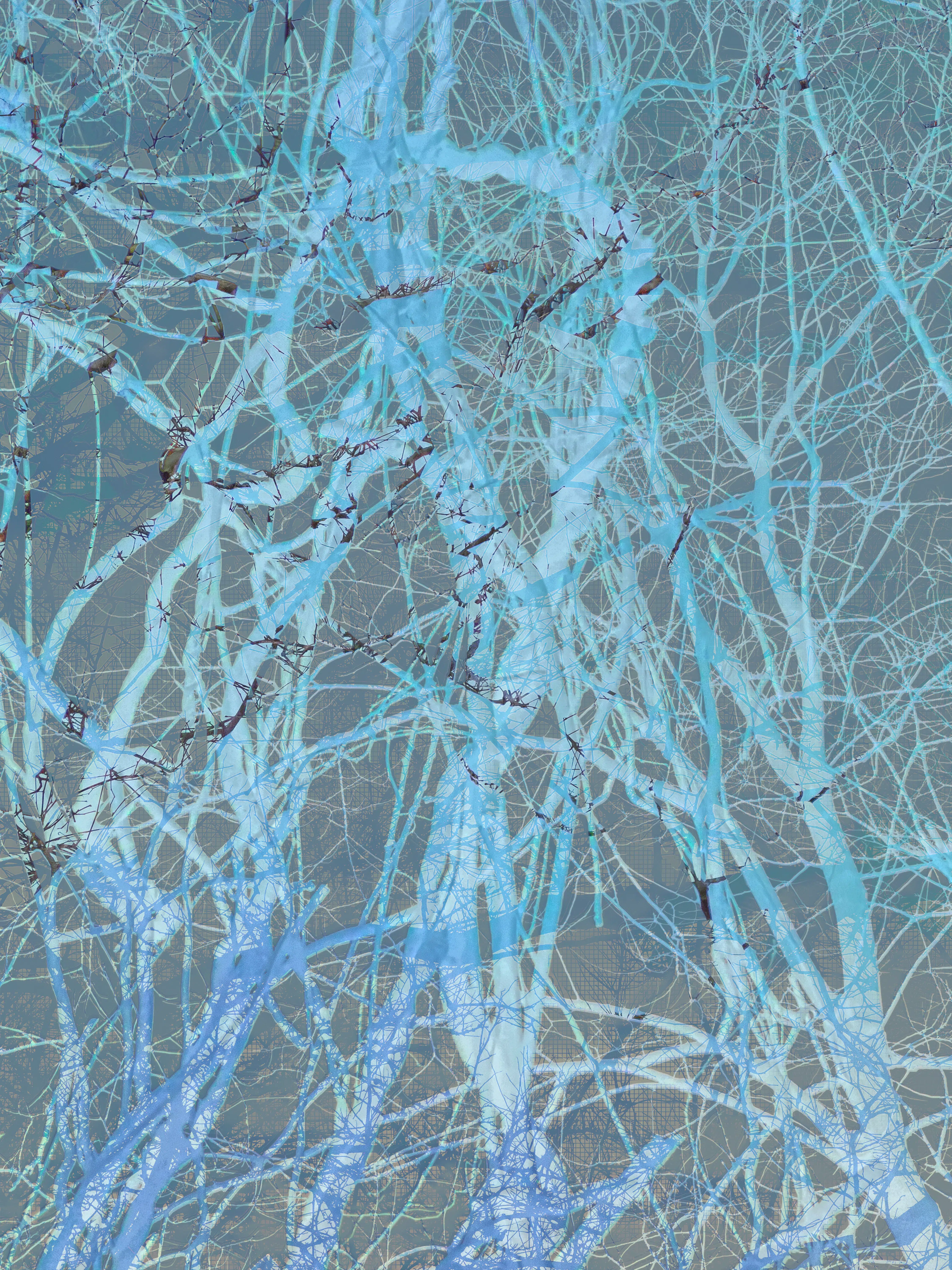
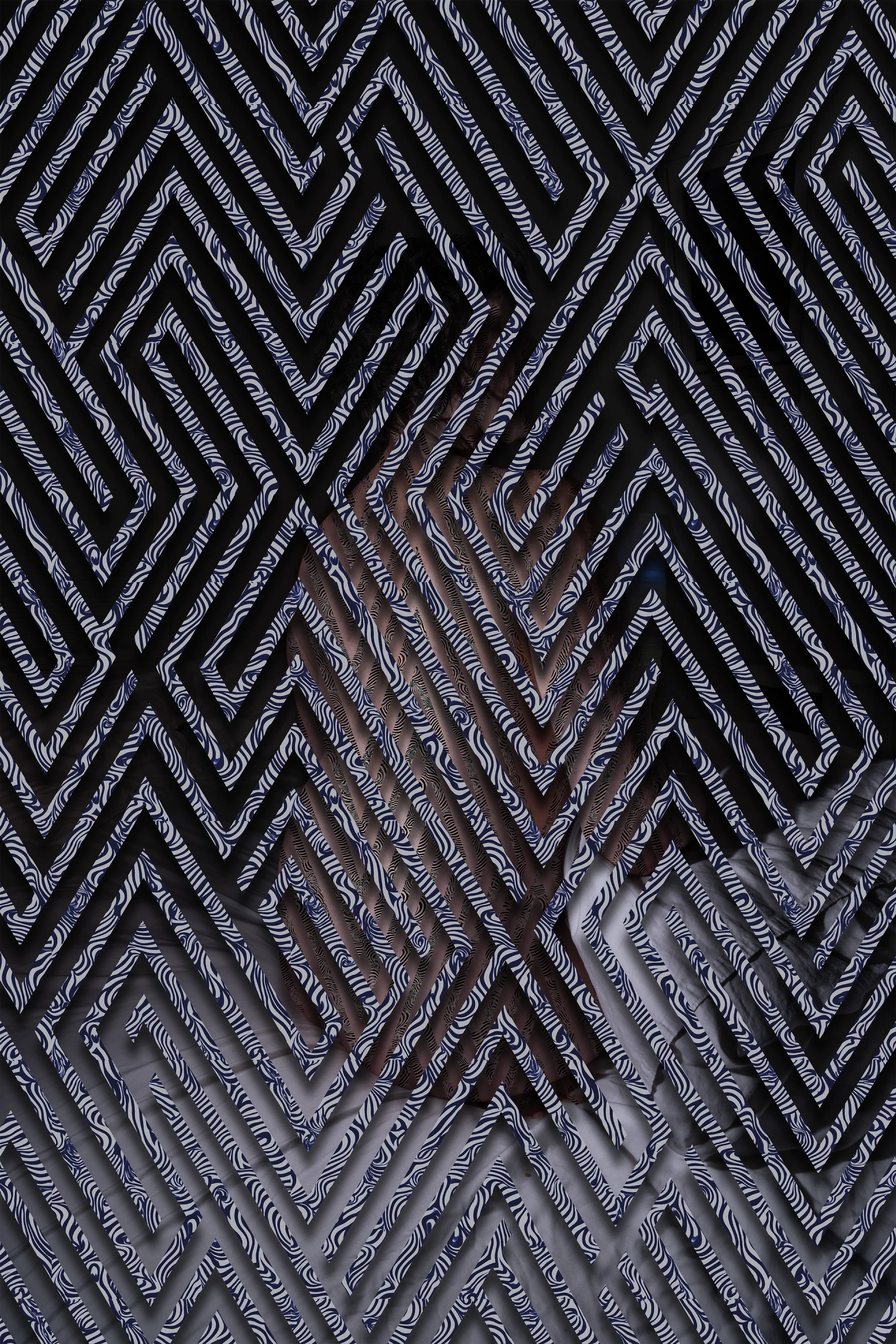
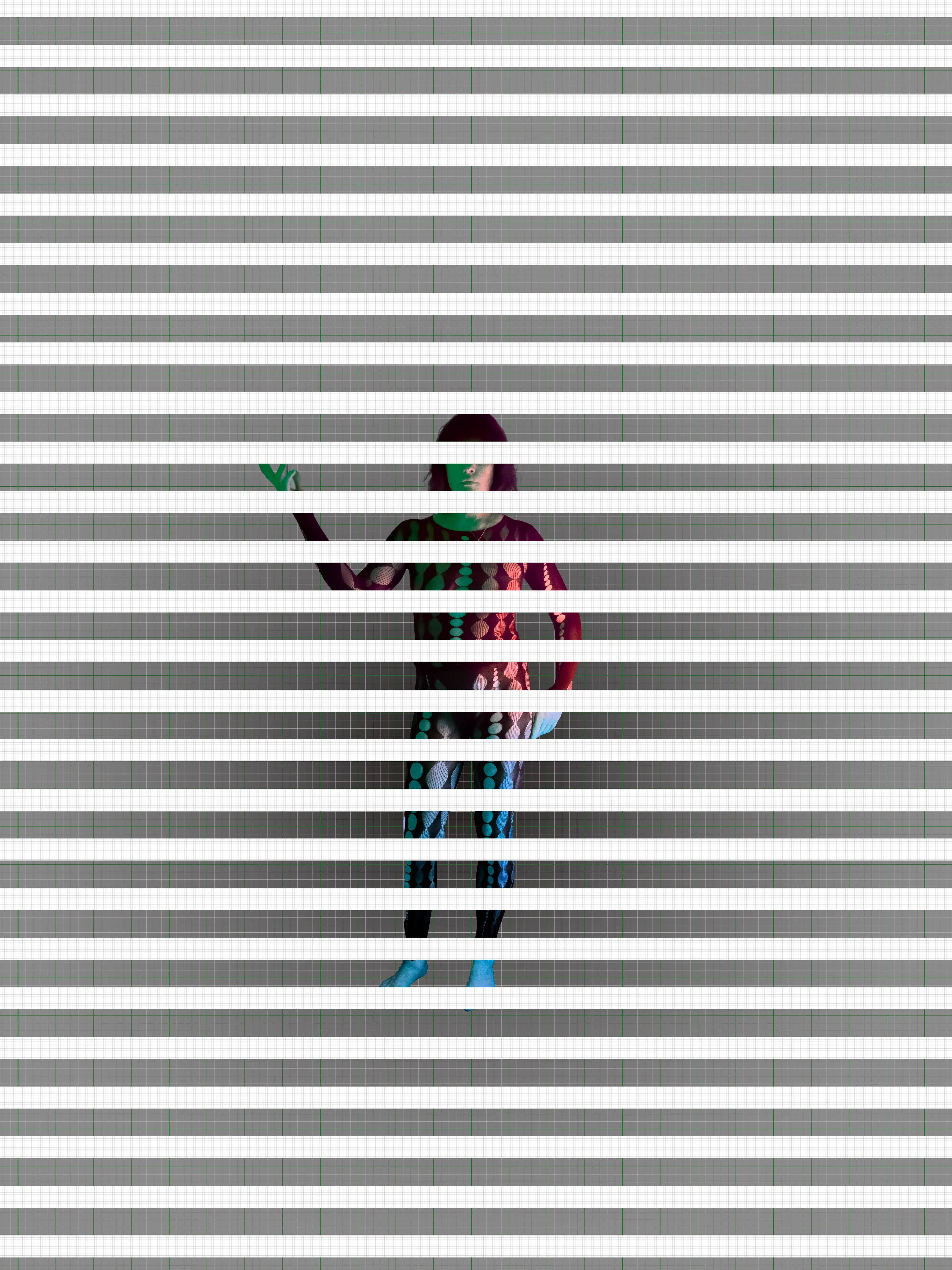
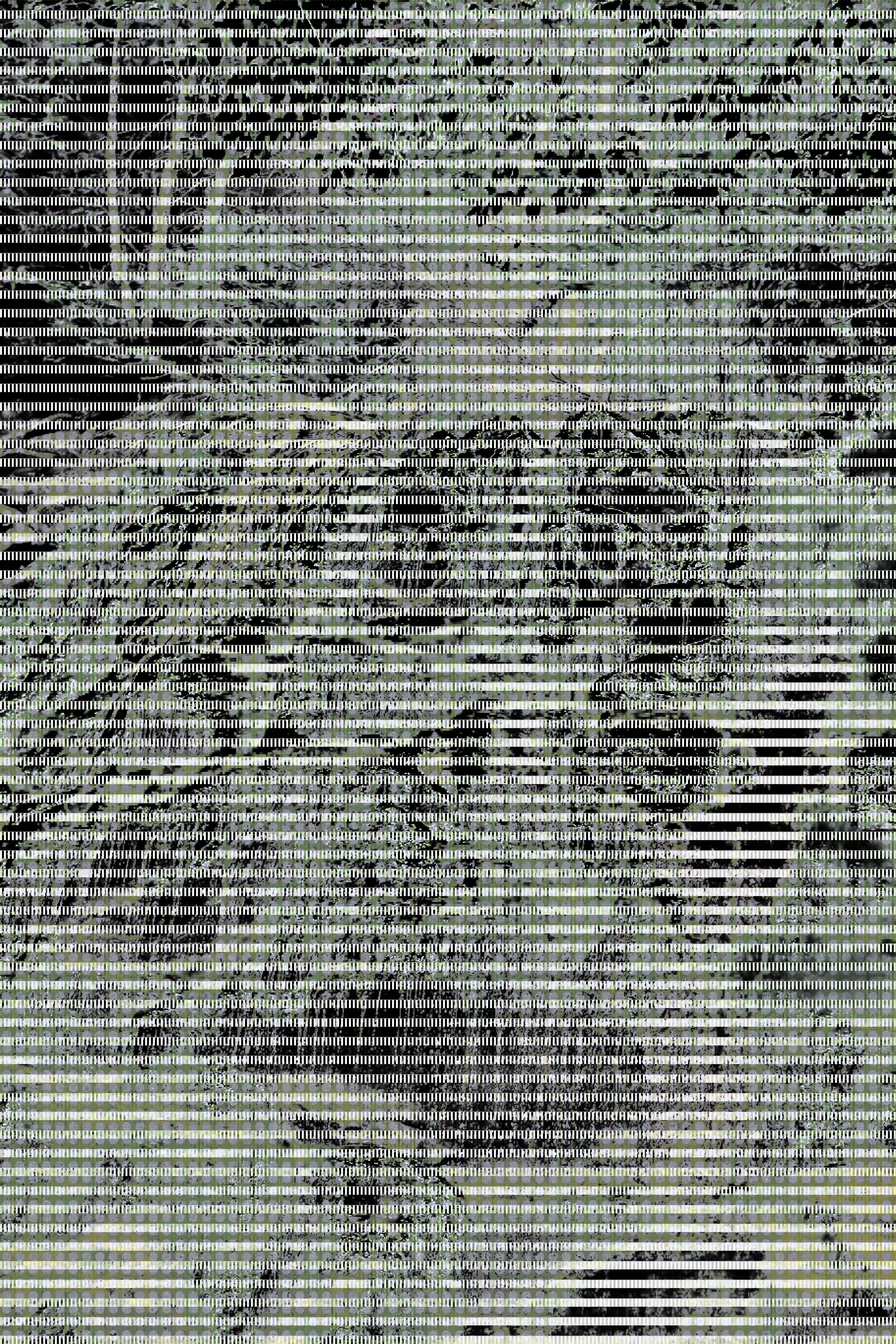
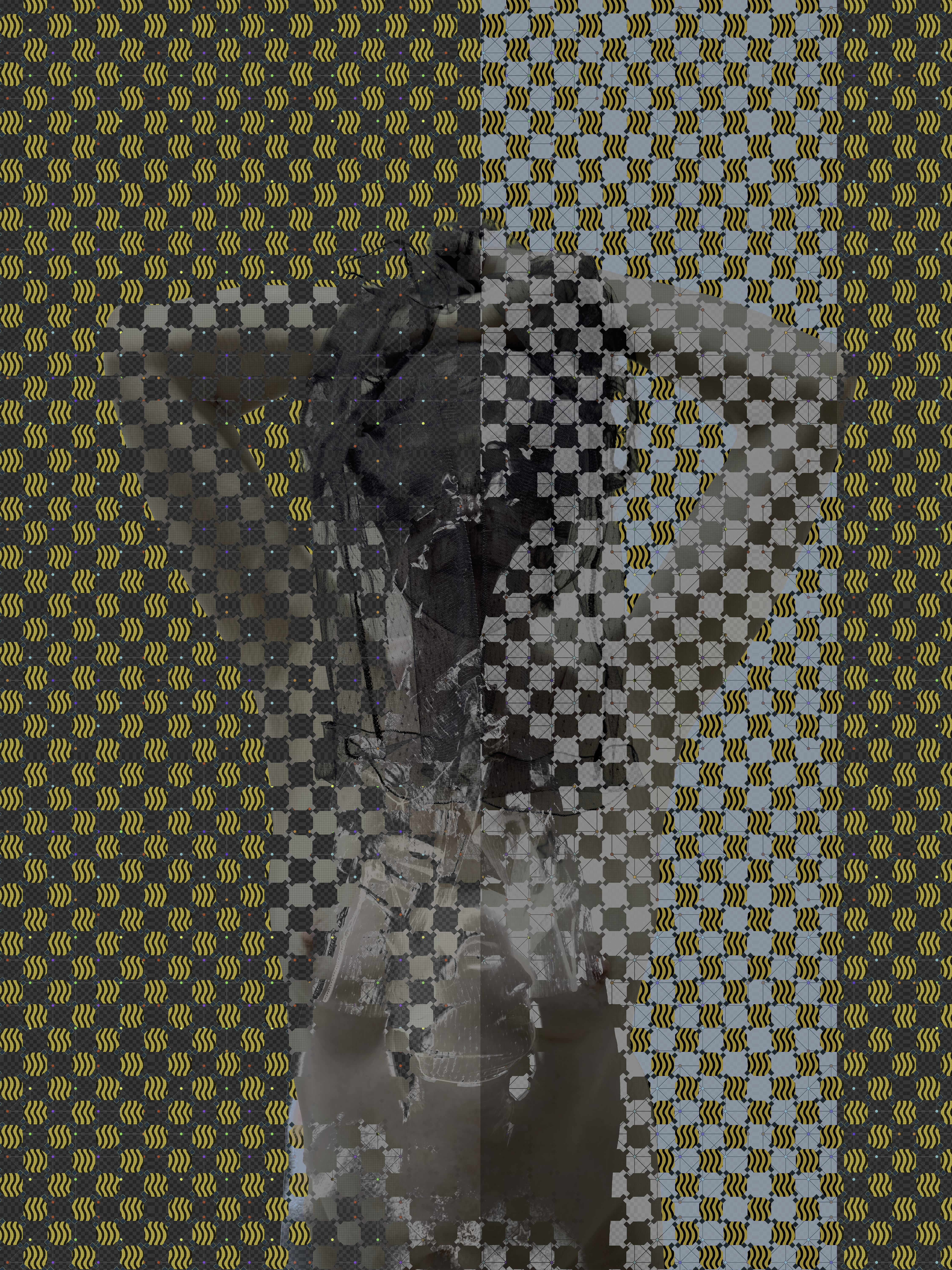
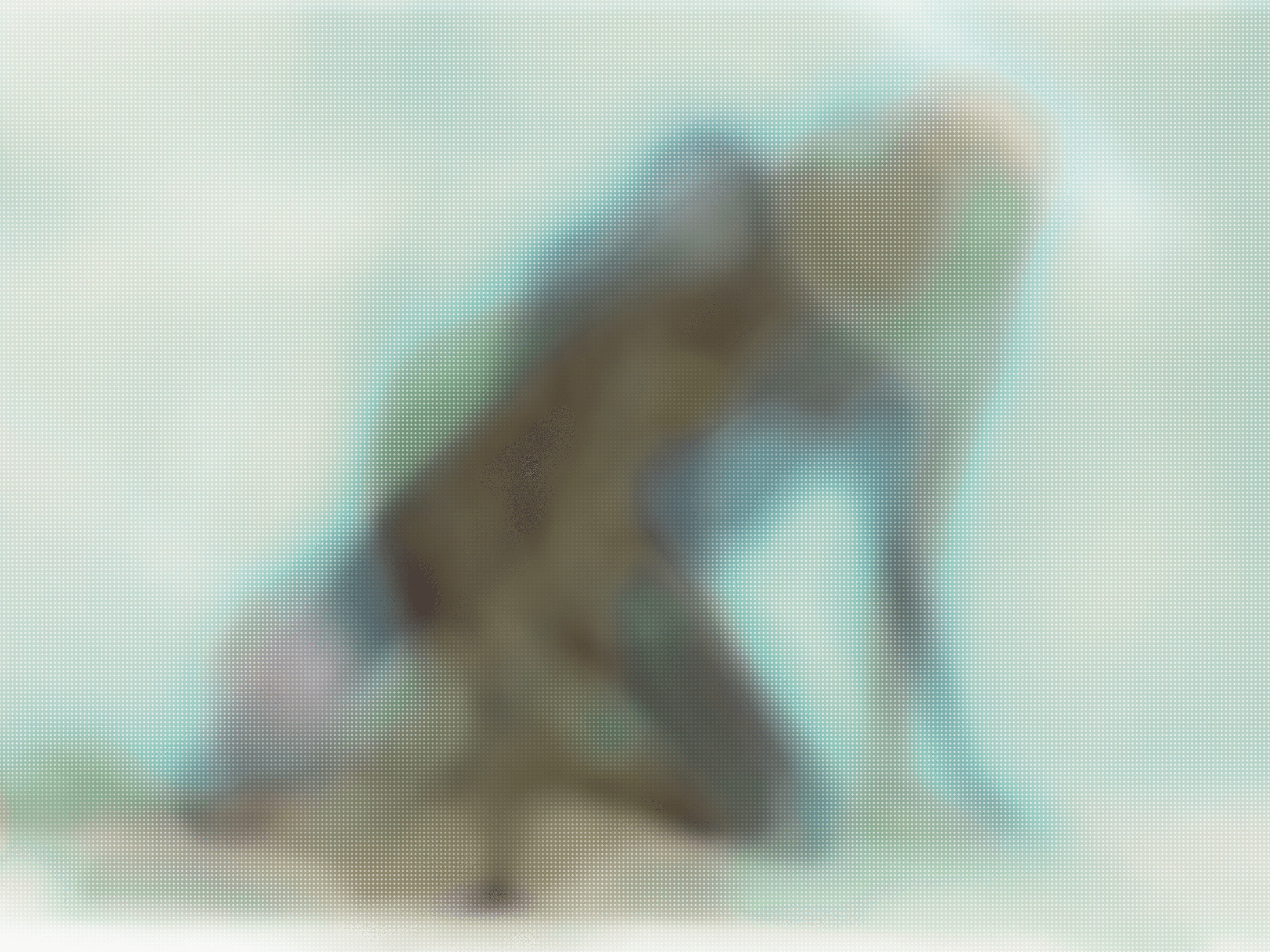
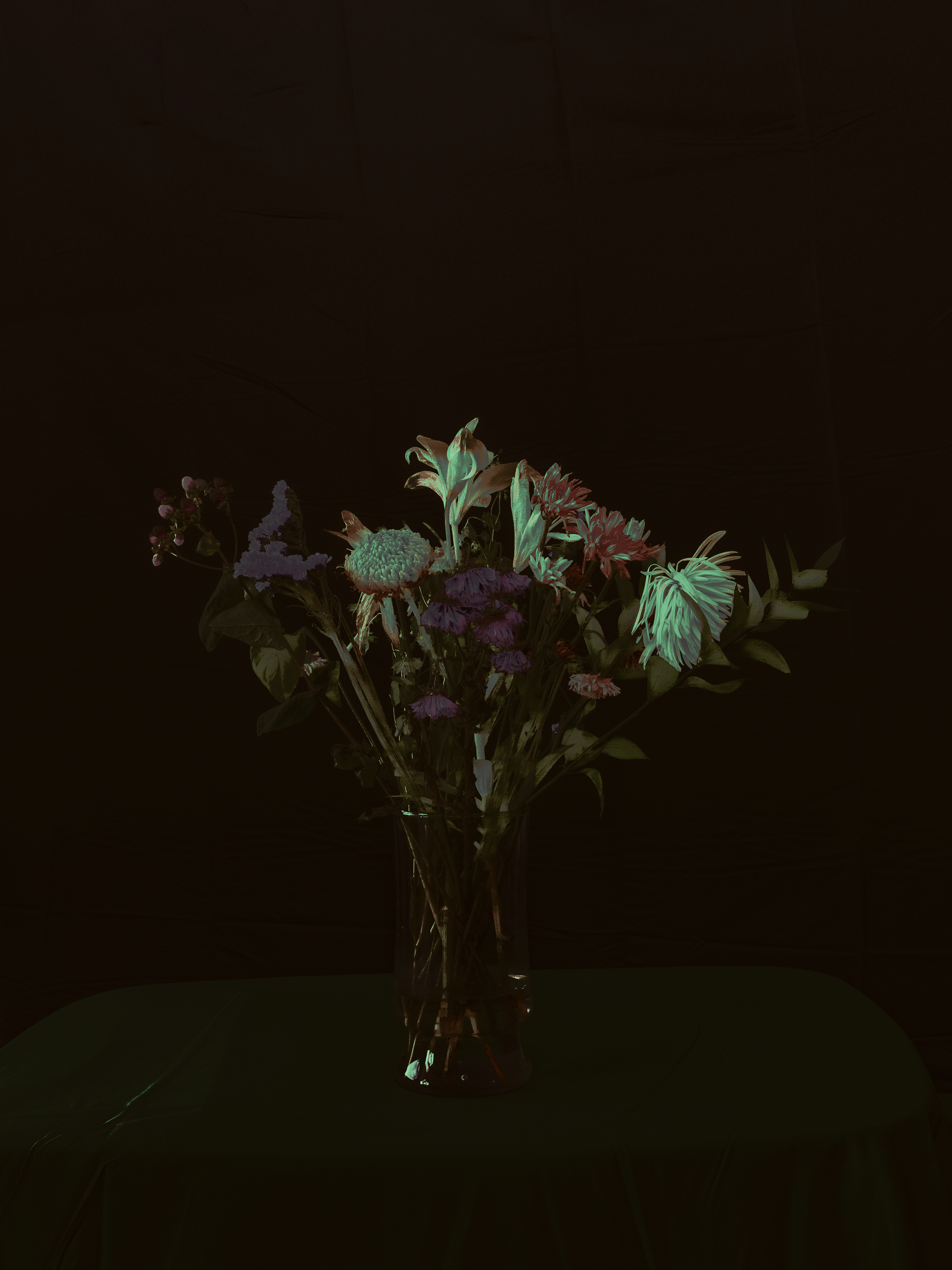
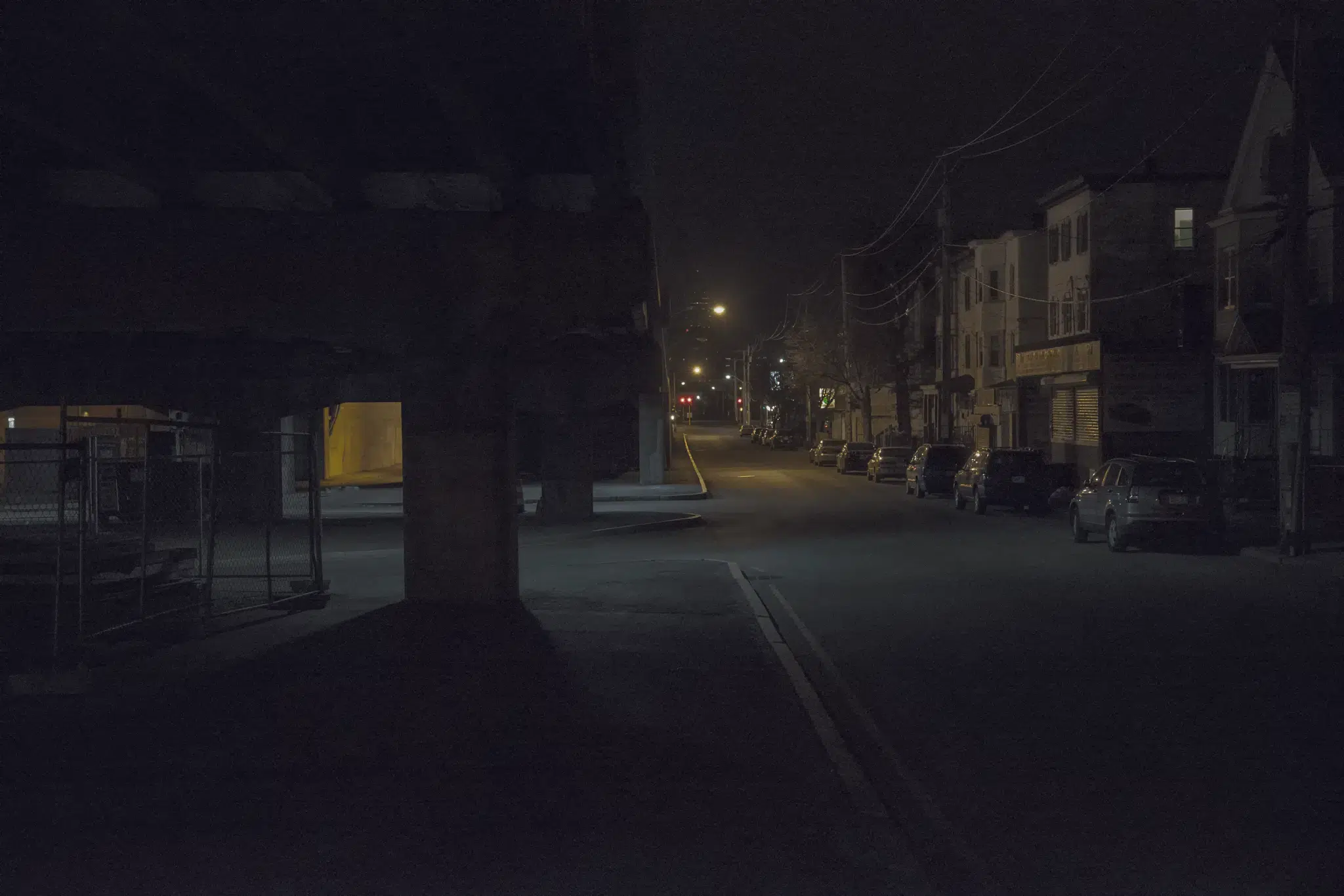
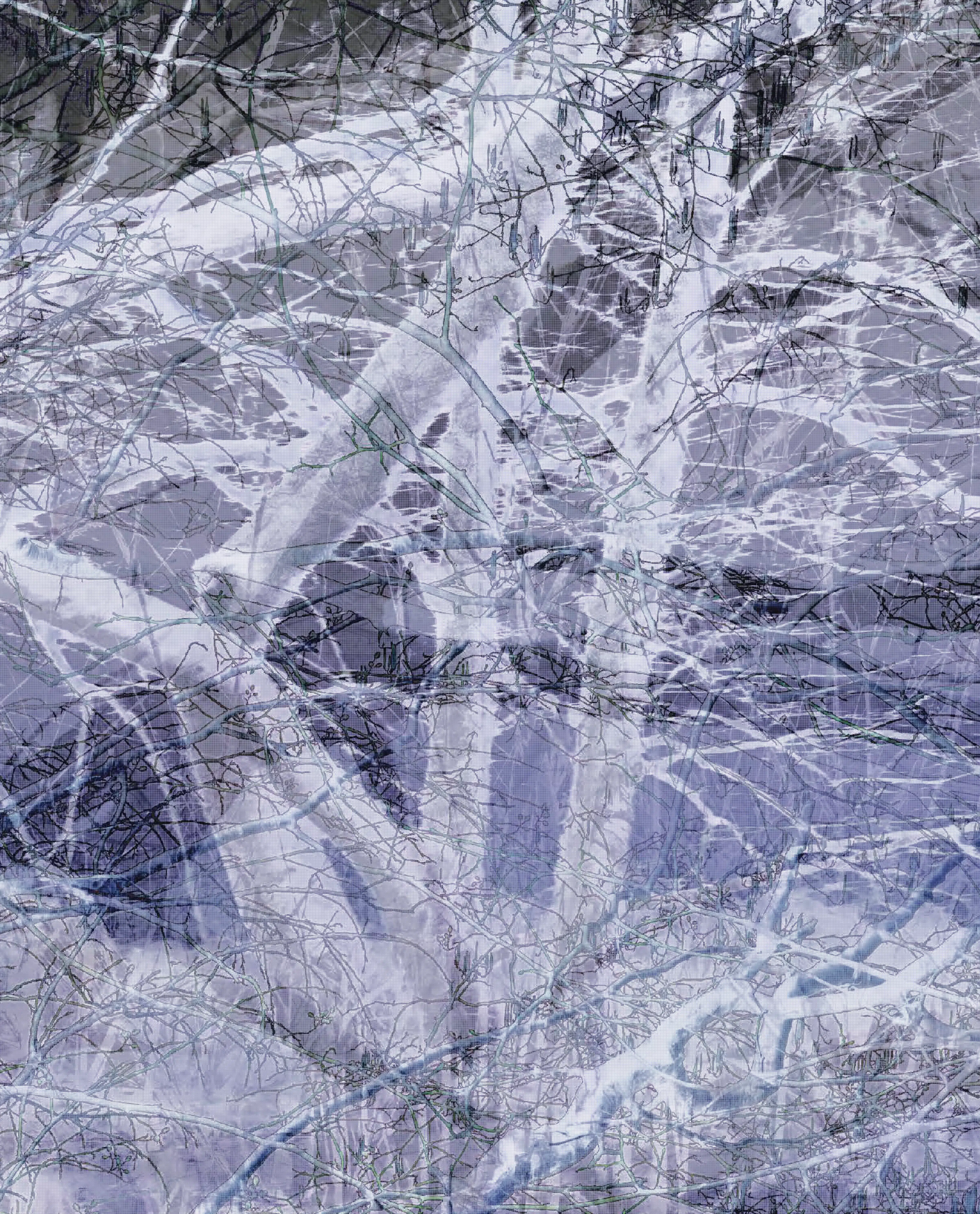
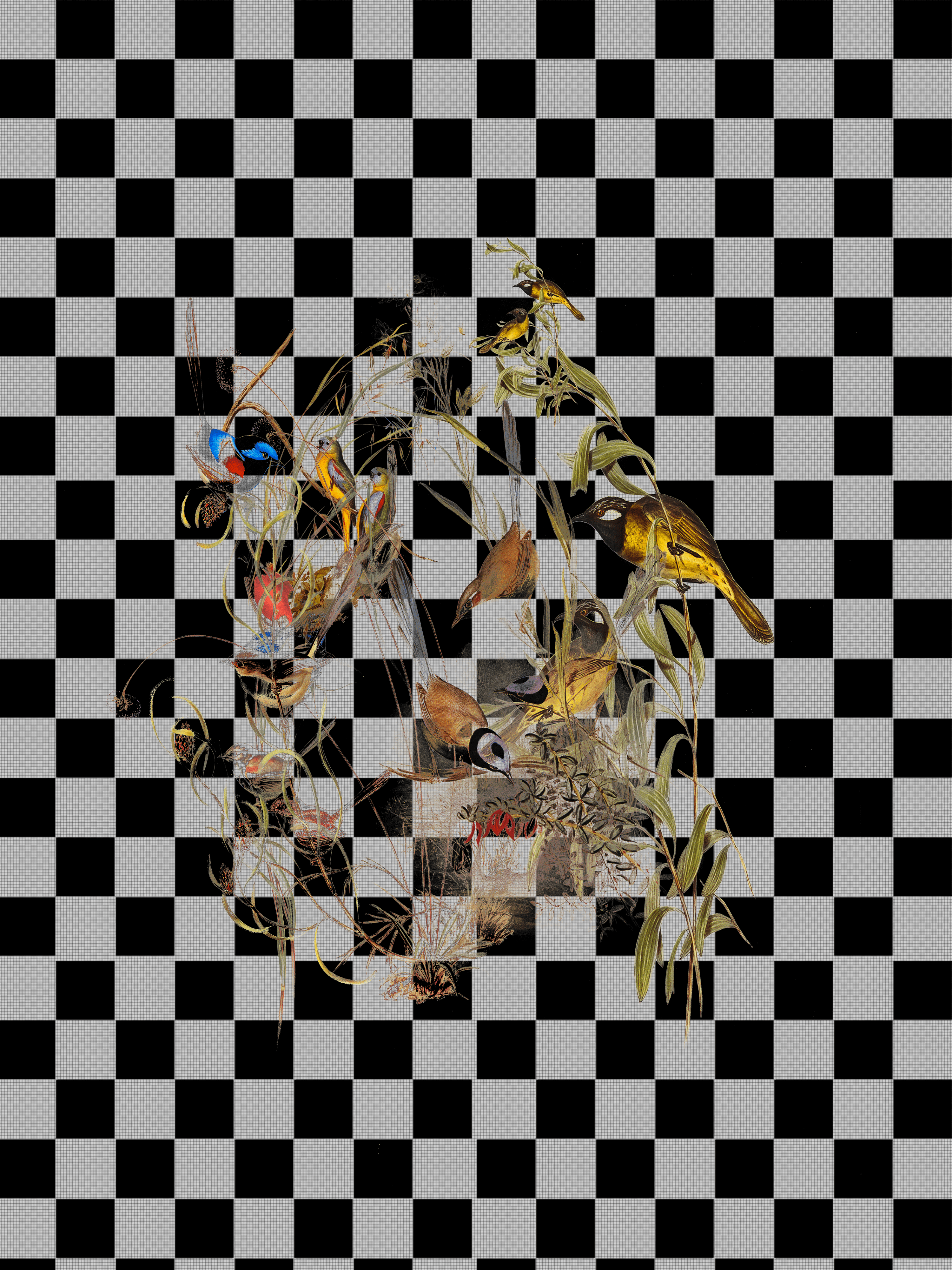
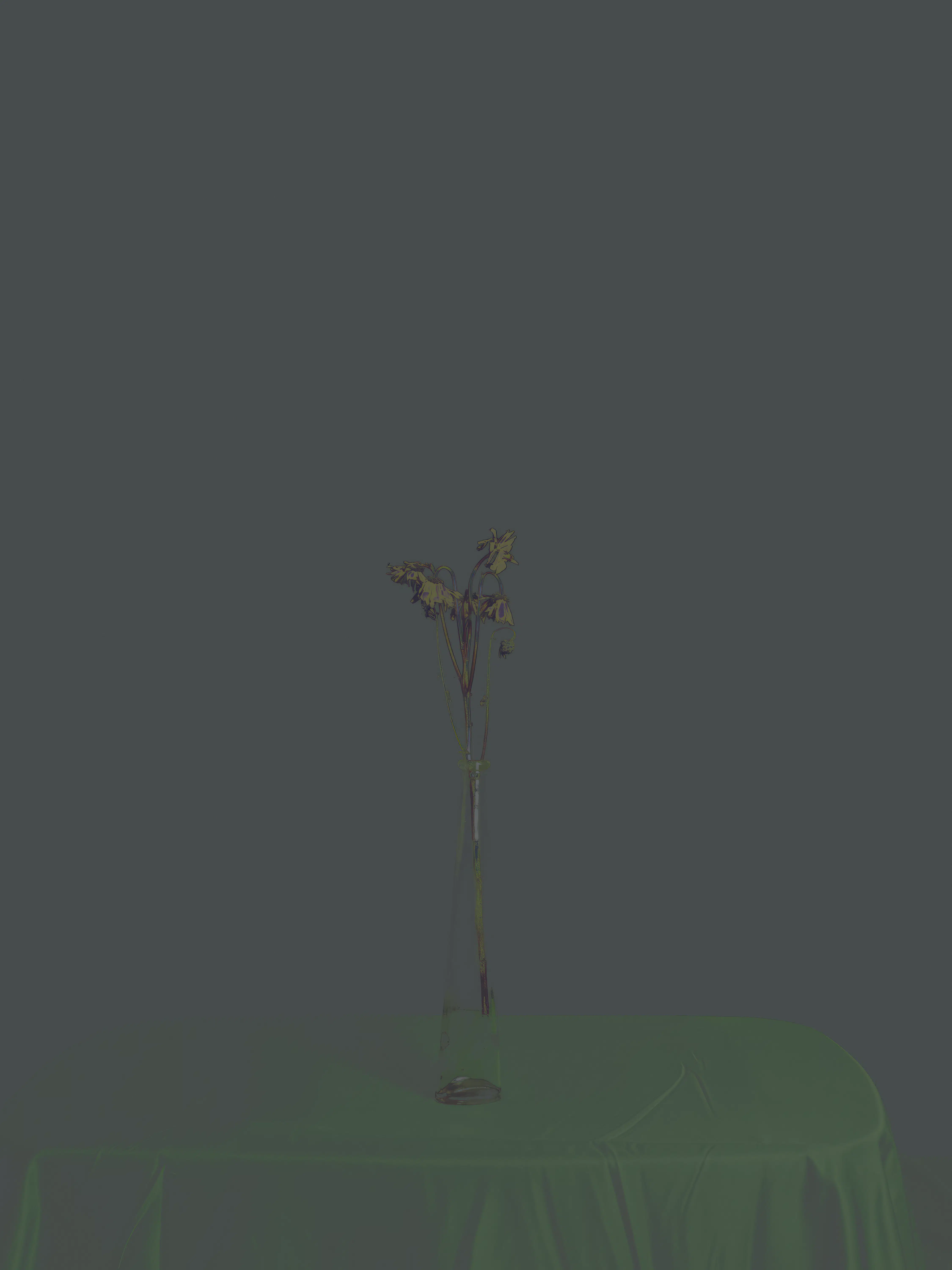
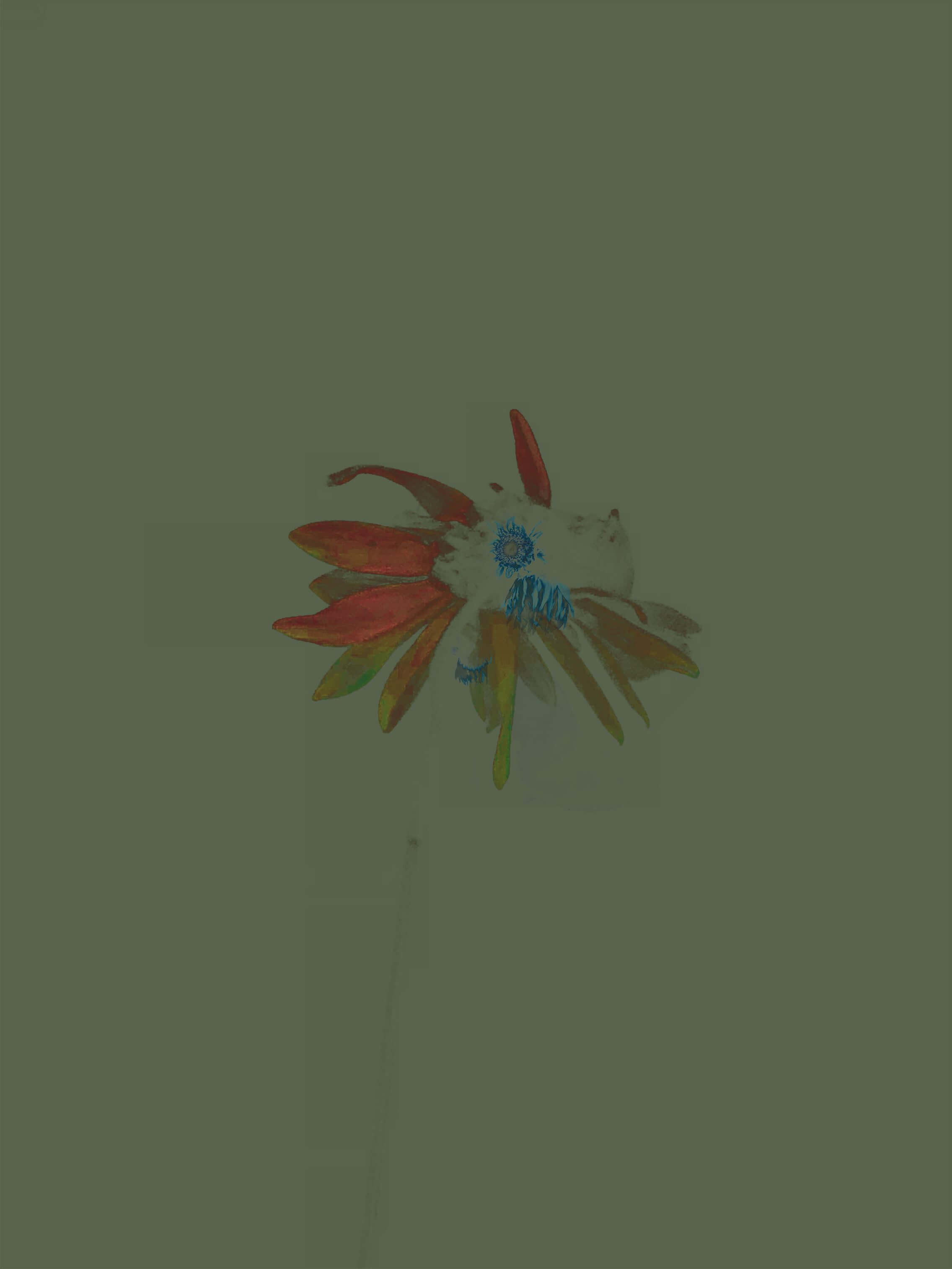
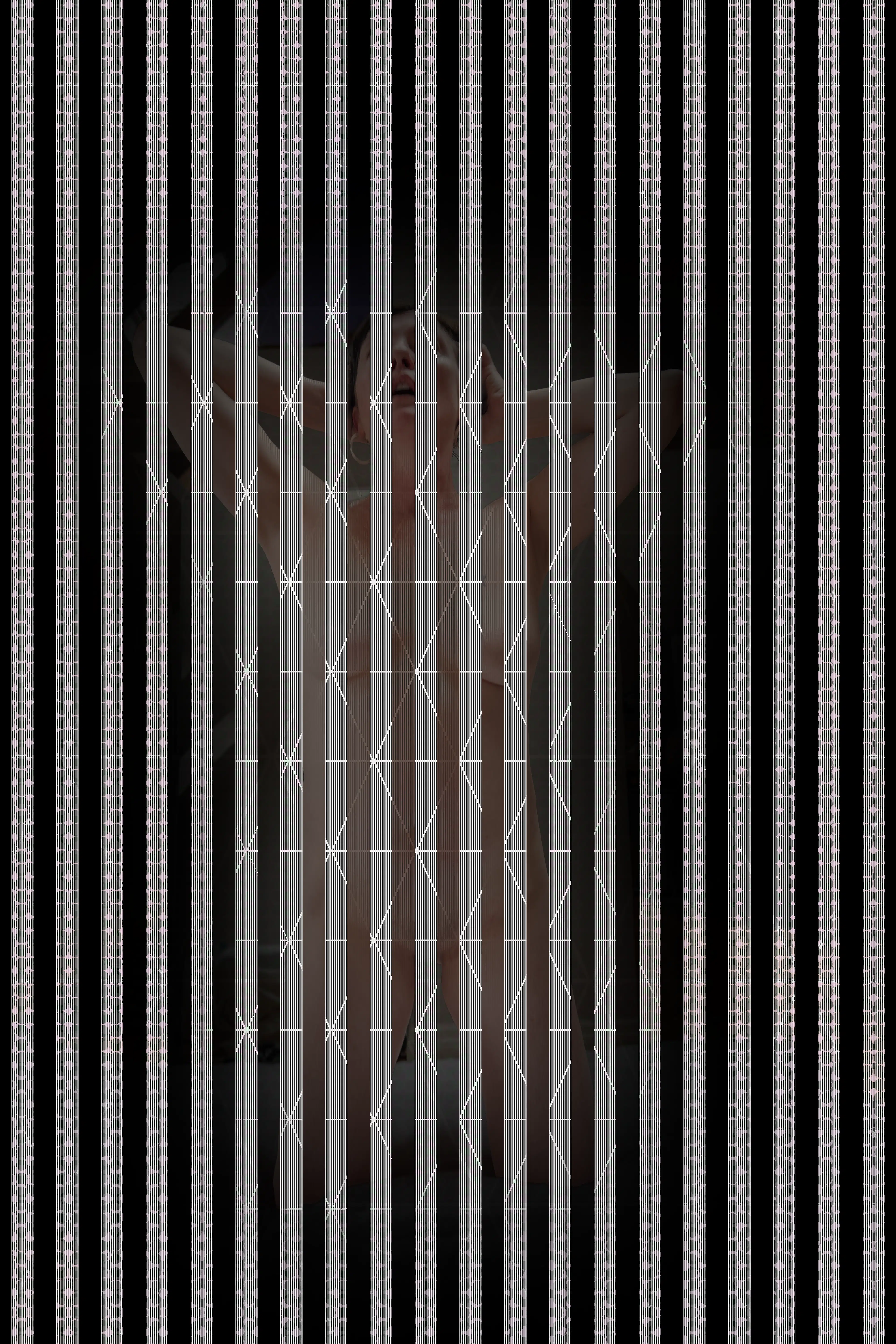
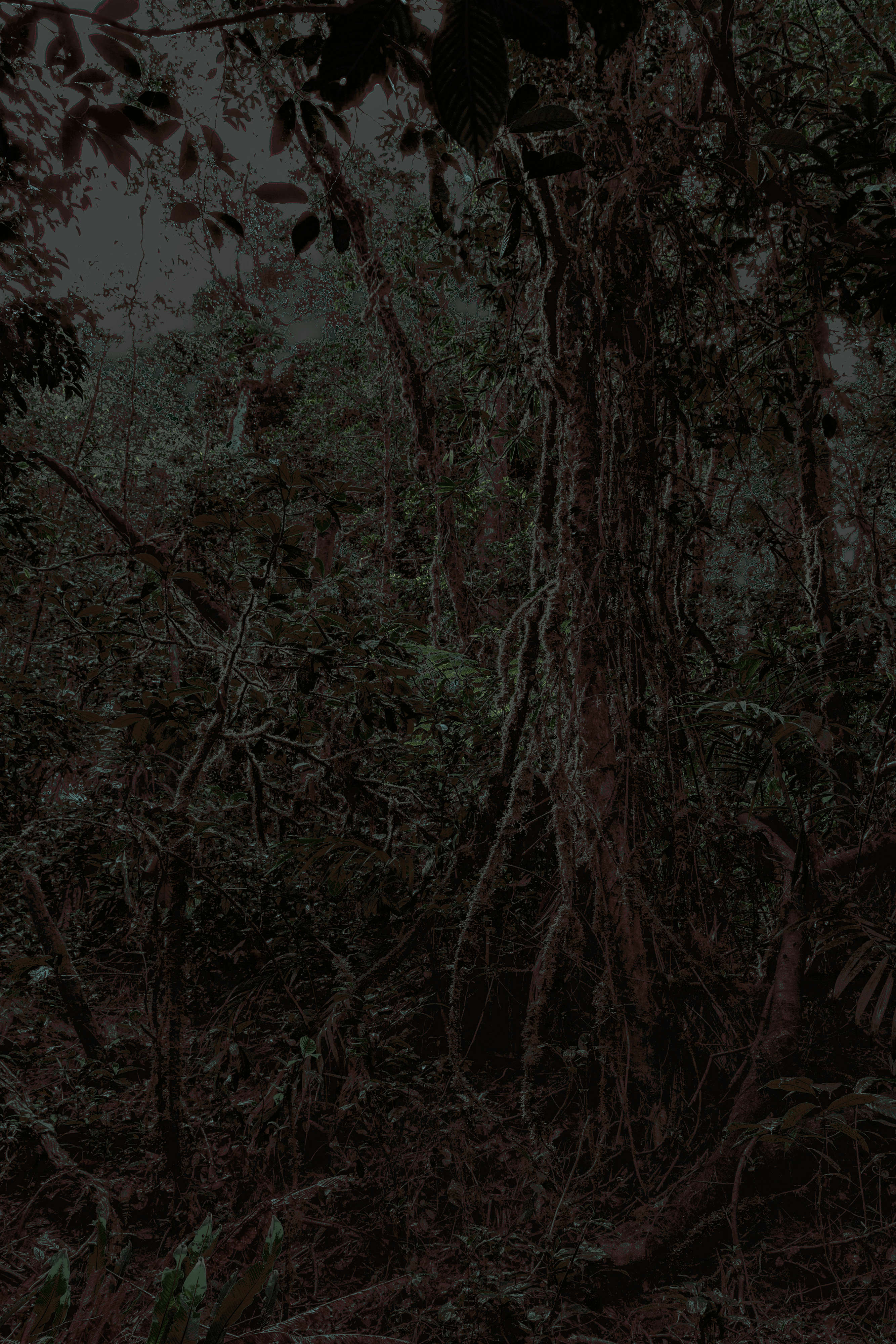
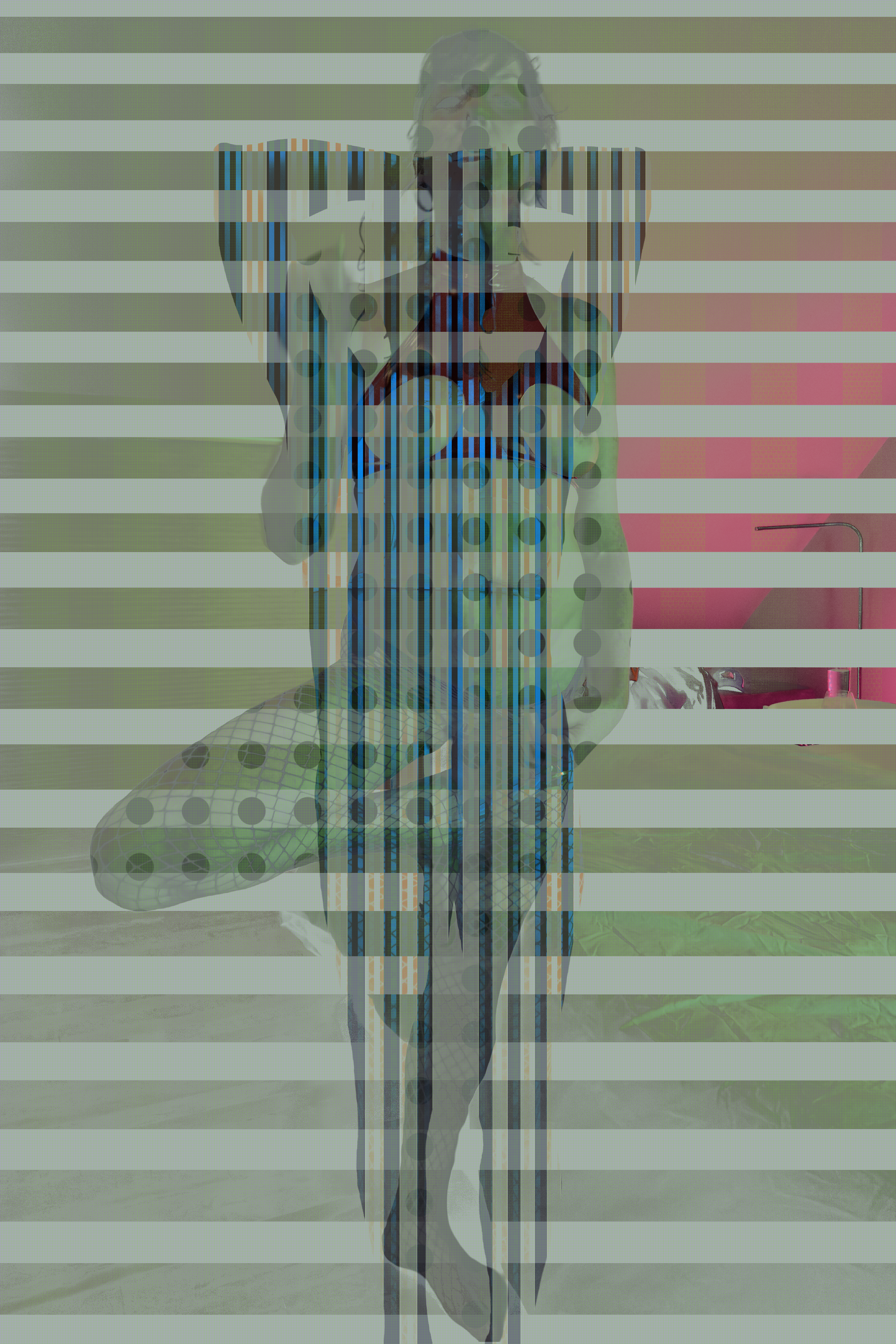
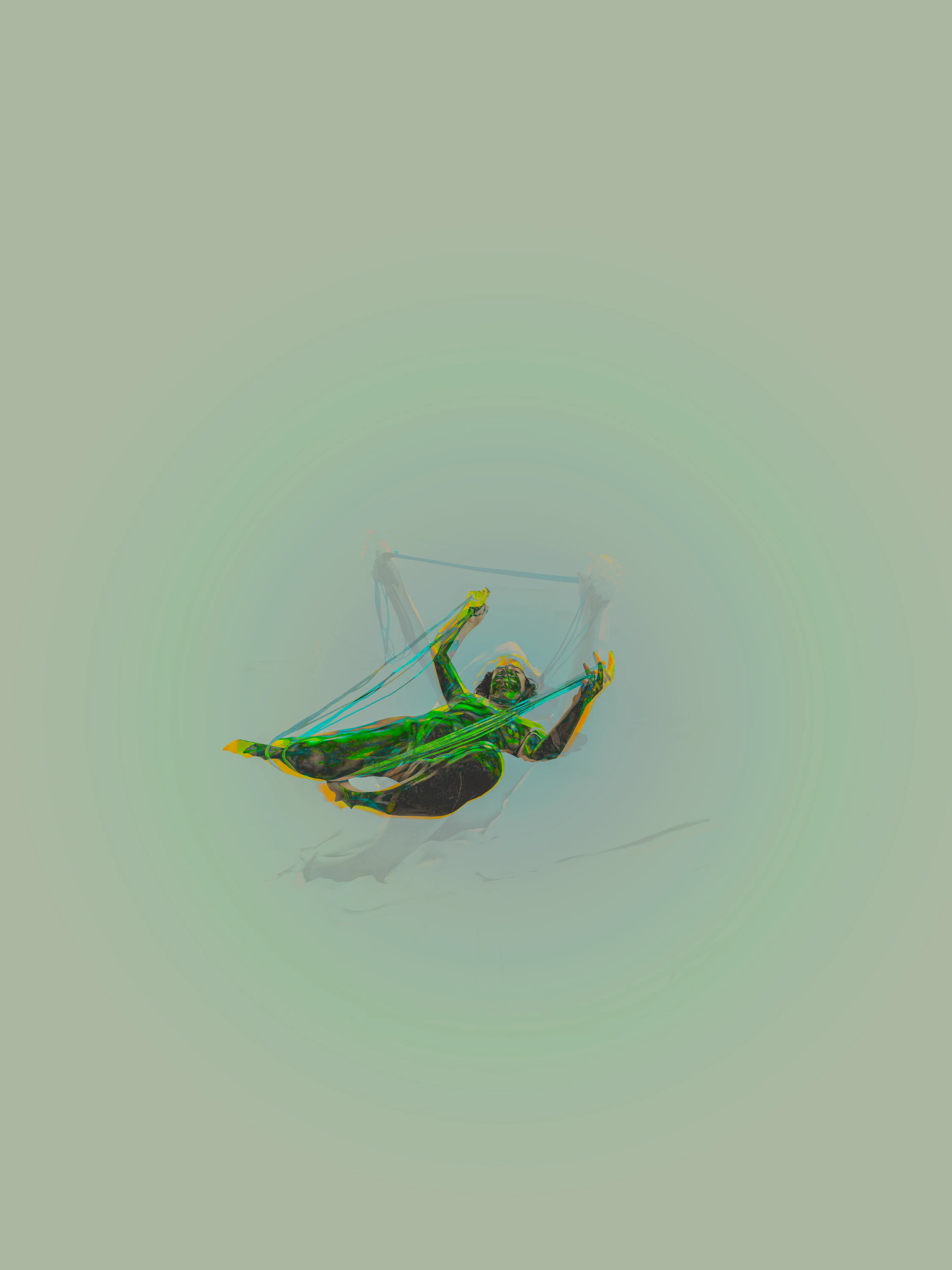
I use photography as a departure point for creating images that also include overlays of appropriated web artifacts, woven patterns rendered at extremely high resolution, and other pieces of digitized information. For over twenty years I have been investigating the visual intersections of photography and networked computing. My work evolved out of the simple wish to understand and make visible something about the onset of screen culture, and the way photography both saturates and mediates contemporary experience. In my work I present intimate photographs made with a variety of camera devices that are overlaid with, in most cases, high resolution “screens” created in Photoshop. The screens bend and distort the visual accessibility and implied narrative of the underlying image(s), and are composed of scans of things like optical illusions, hybridized patterns from diverse pixel sources, images from children’s books, mapping data, computational modeling and mathematical illustrations. While I hope this project presents a record of relationship and intimacy, it is also meant to challenge many of our assumptions around the ubiquitousness of photographic images. I want my prints to push and pull the view – to hook the eye, so to speak, toward investigating further into the materiality of the object. At the macro level, the printed files (which are built at forty inch widths) are about figuration and even the sometimes clumsy objectification(s) of partnership. Microscopically, however, they are composed of more abstract and confounding bits of data.
I’m curious about perception (particularly of those people close to me) and how it is mutable over time with shifts in context and relationship.
My pictures are questions about questions I can’t easily answer. What is the magnetism and sometimes confusion of visual love and longing, and where does it come from in the mind? Who is this person that so strongly holds my attention and heart, and why? What remains if our precious data is lost?