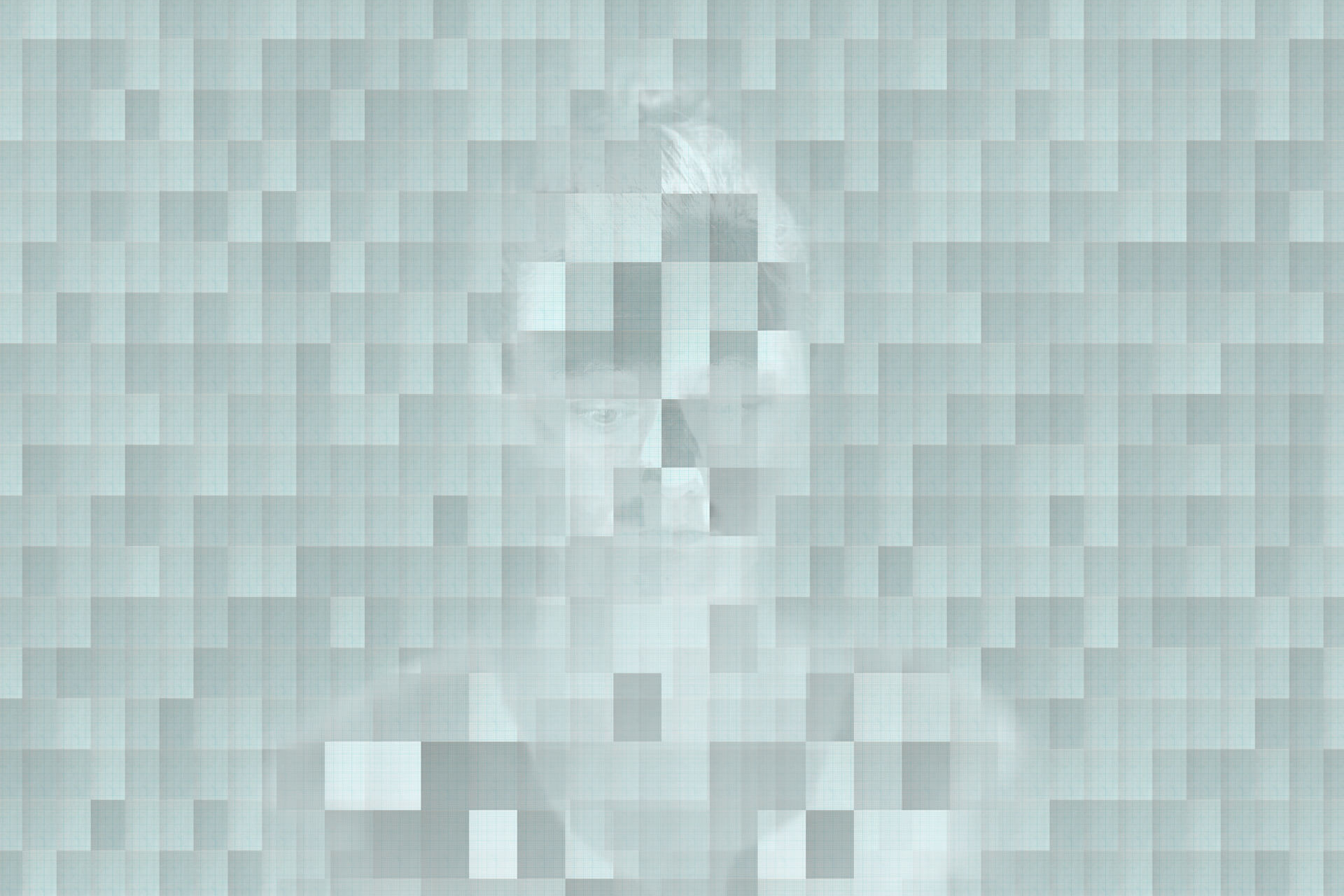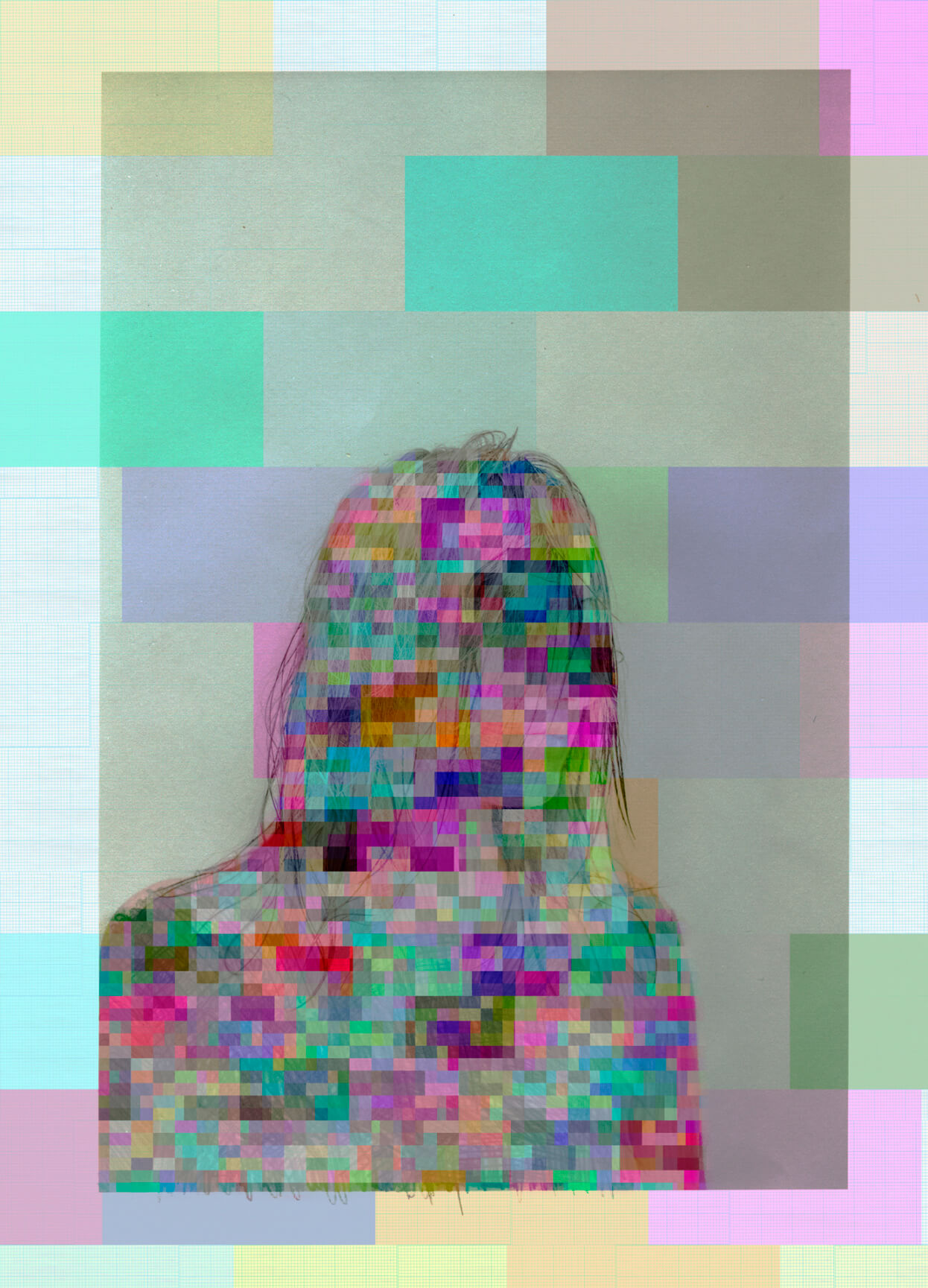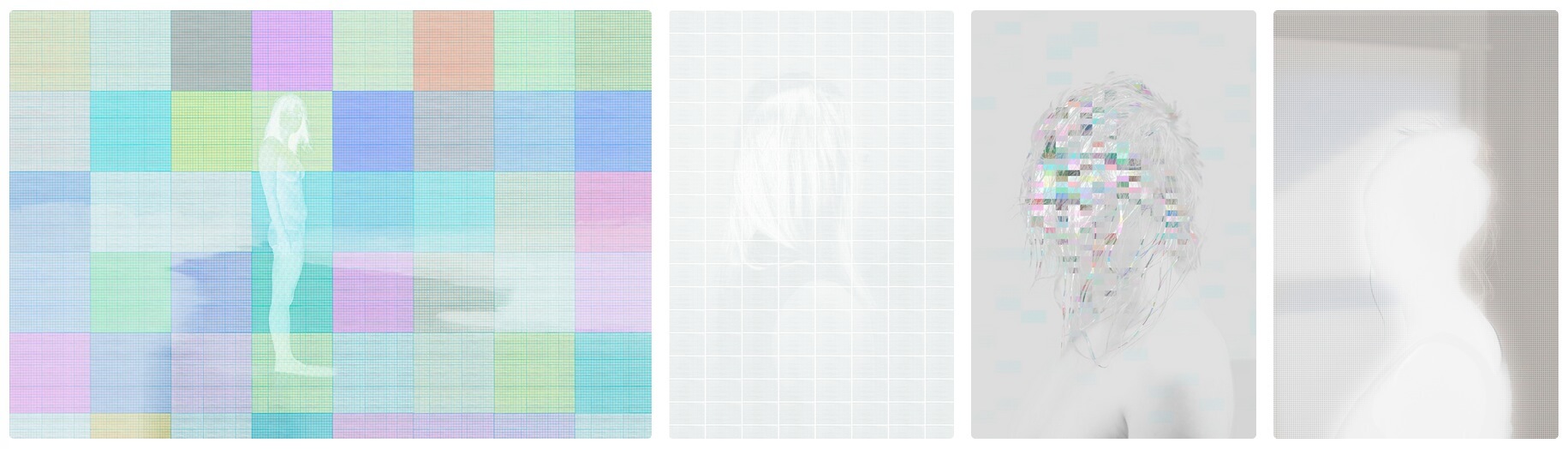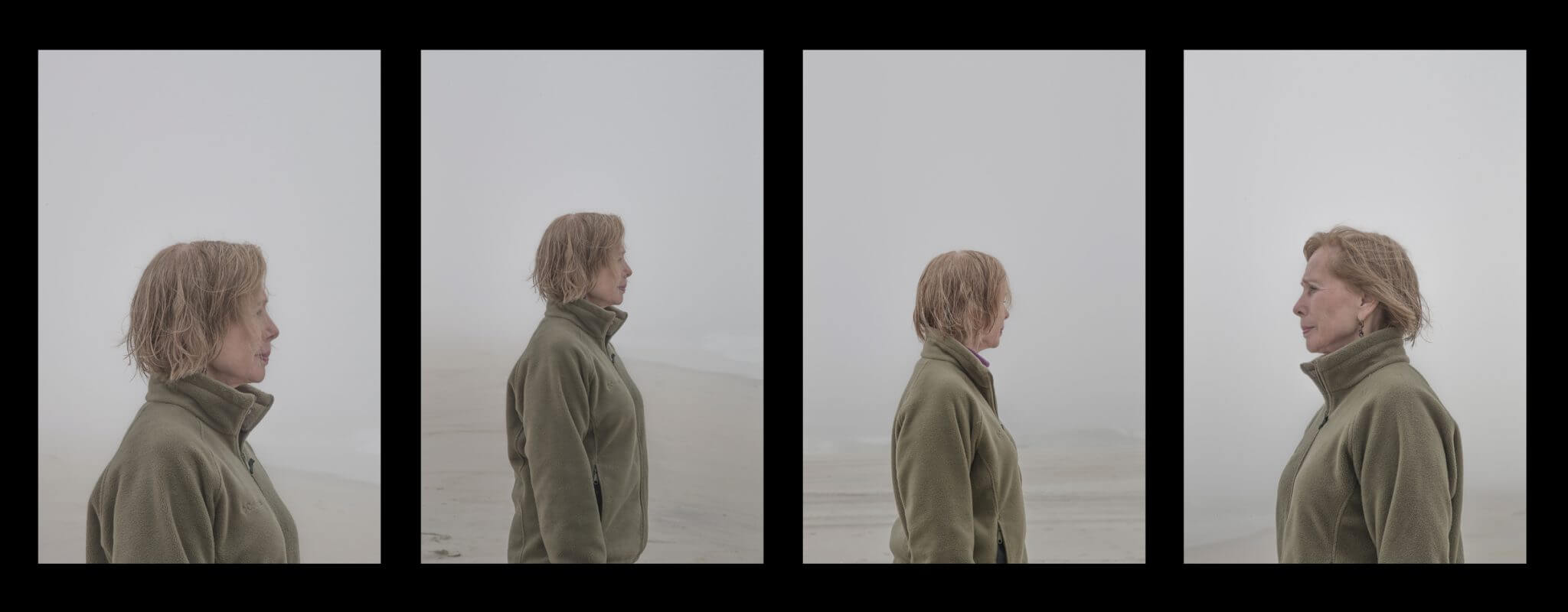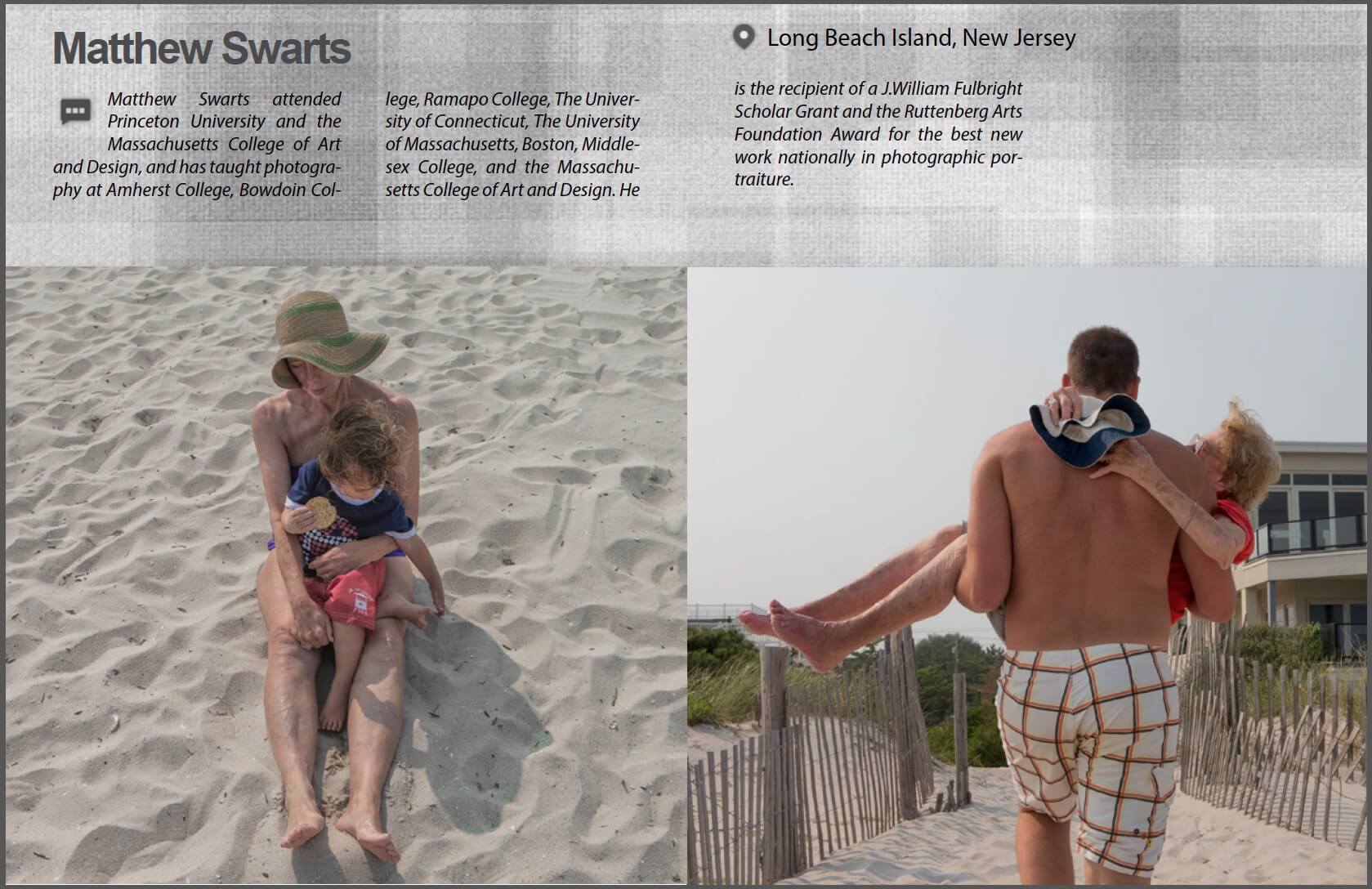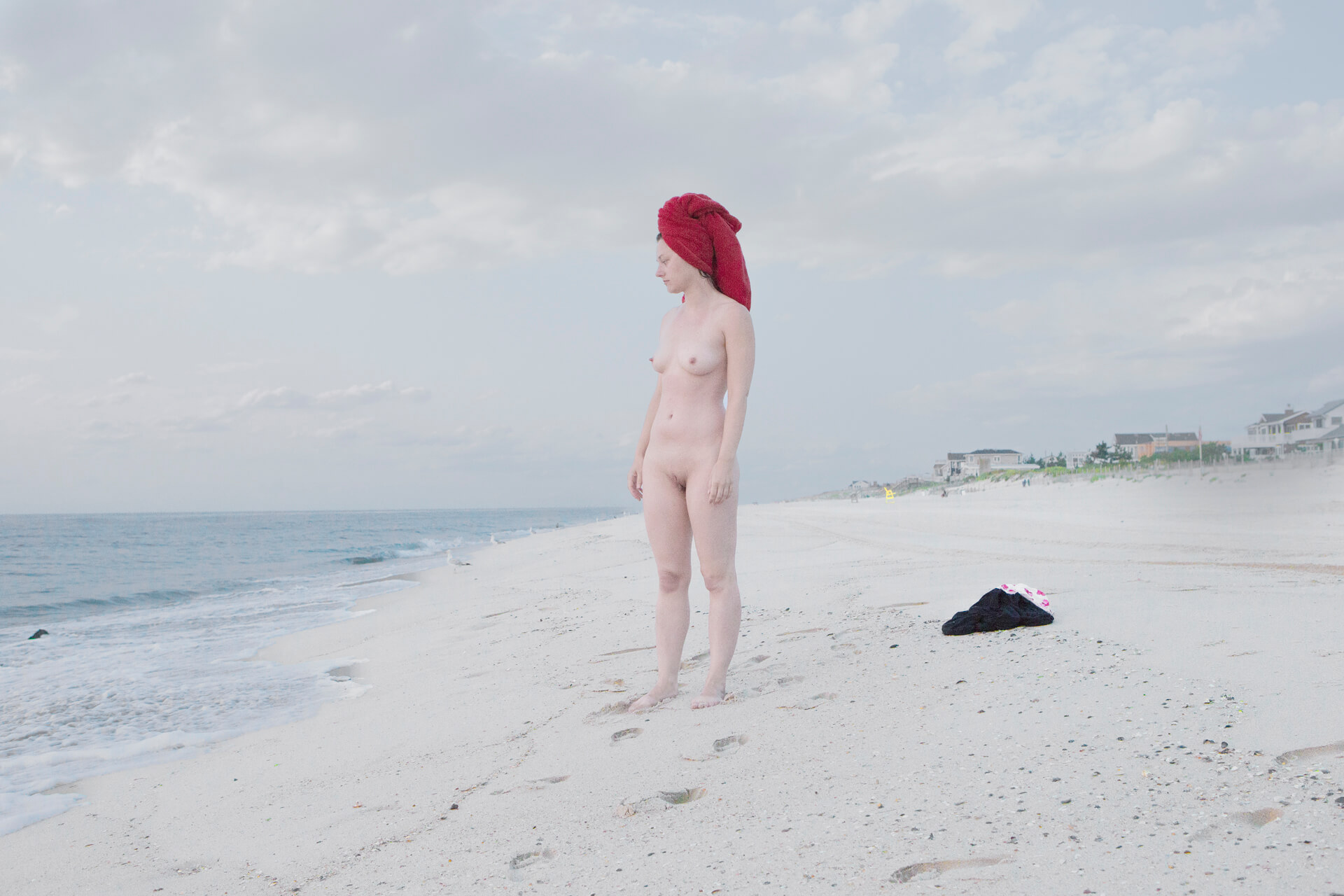
Matthew Swarts (born 1970) is an American contemporary photographer and digital artist based in Somerville, Massachusetts. He creates composite images that merge analog photographs with digitally manipulated patterns, optical illusions, and web artifacts. This work challenges the indexical authority of photography, questioning the medium’s traditional claim to representational truth in an age of mediated visual experience.
Education and Early Career
Swarts earned his A.B. in Philosophy from Princeton University, focusing on ethics and value theory. He completed an MFA in Photography and Digital Imaging at Massachusetts College of Art and Design in 1997. This dual training in analytical philosophy and photography informs his practice’s conceptual rigor. Early in his career, Swarts developed an explicit interest in the ethics of photographic representation. His series Children with Cancer (1996–2000), created during his MFA studies and continuing shortly after, documents young cancer patients in Boston-area hospitals through collaborative photography. Rather than emphasizing medical procedures or pathology, the work foregrounds the subjects’ agency and personhood, deliberately resisting conventional medical photography visual narratives.
Teaching
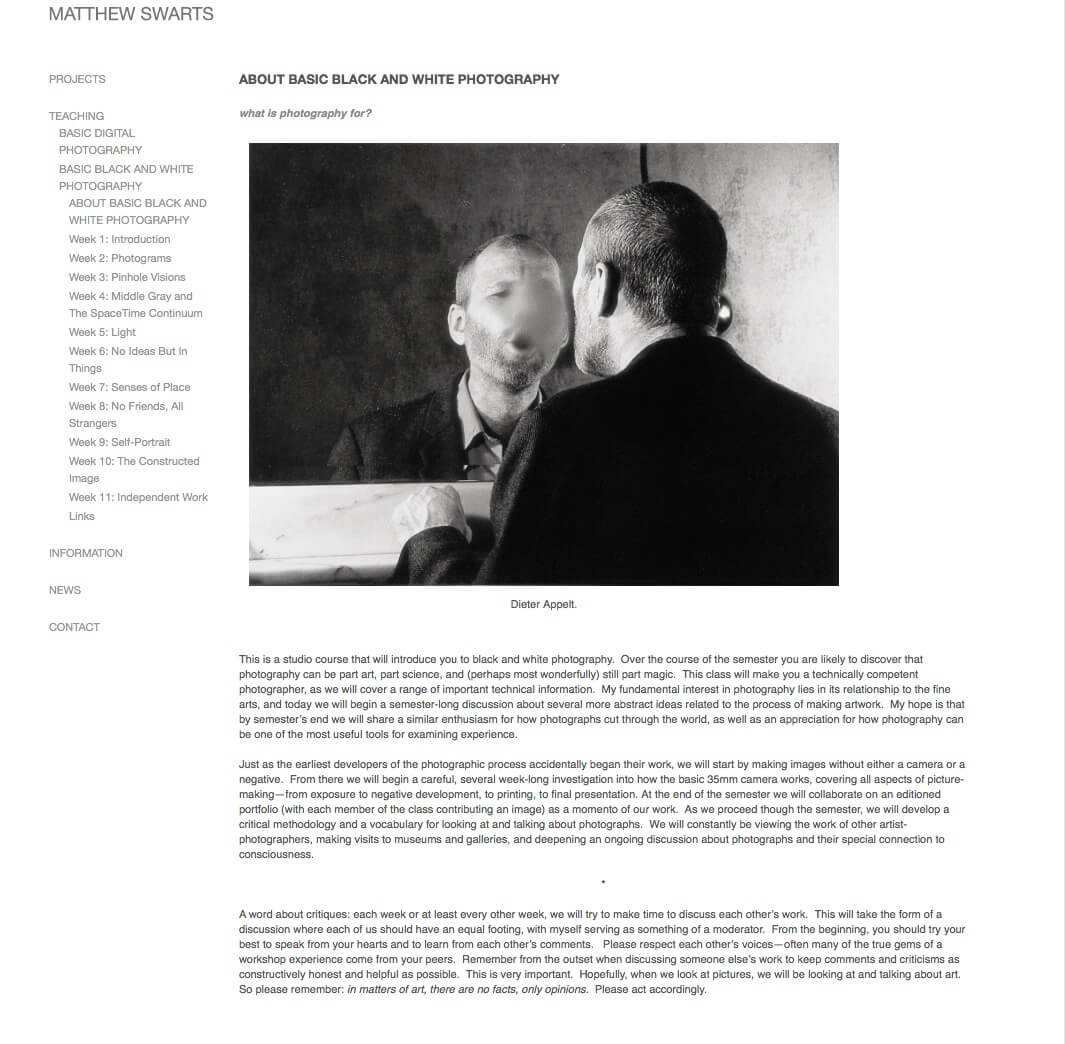
Swarts has taught at multiple institutions, including Amherst College, Bowdoin College, Ramapo College, the University of Connecticut, University of Massachusetts Boston, Middlesex College, Massachusetts College of Art and Design, and Community College of Rhode Island.
Major Works
Untitled (2004), uses internet search results—often from keyword queries such as “sex,” “love,” and “death”—as raw material for reconstituted images that he then circulated through deliberately low-tech printing and high-end reproduction workflows. In an interview, Swarts described the web as “giant camera”, an “indexed image thesaurus,” noting that he initially organized images into “vast folders with the titles of my searches,” before shifting toward selecting images more intuitively. He has also framed the project as an inquiry into copyright and fair use, linking his image-collection method to debates over sampling and reuse in networked culture. The series typically involved printing with inexpensive desktop inkjet devices onto unconventional substrates (including paper towels and bags), making high-quality scans of the resulting “imperfect” outputs, and then producing large exhibition prints that foreground the instability of authorship and ownership in digital imagery.
Beth and The Alternatives (2014–2015)
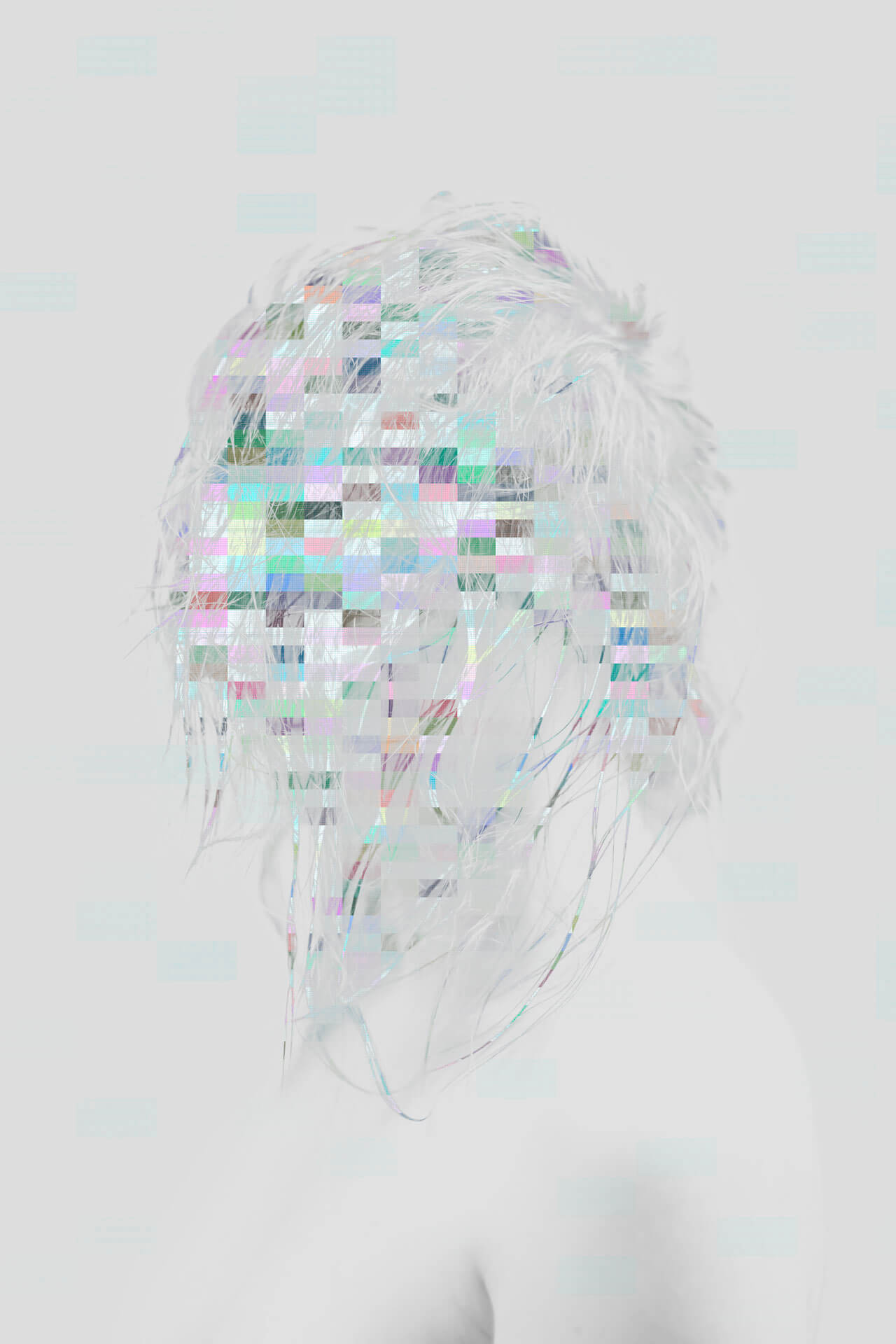
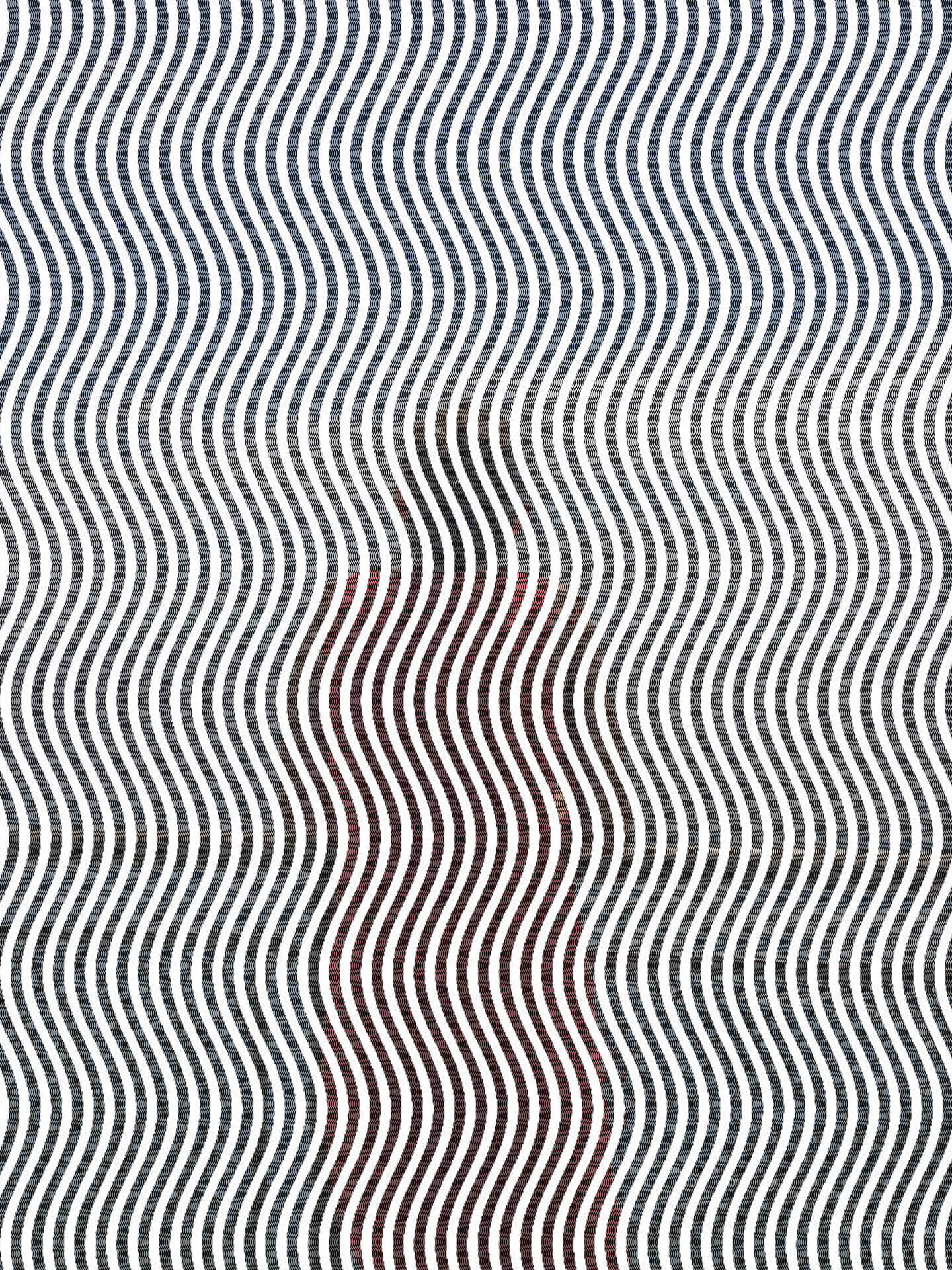
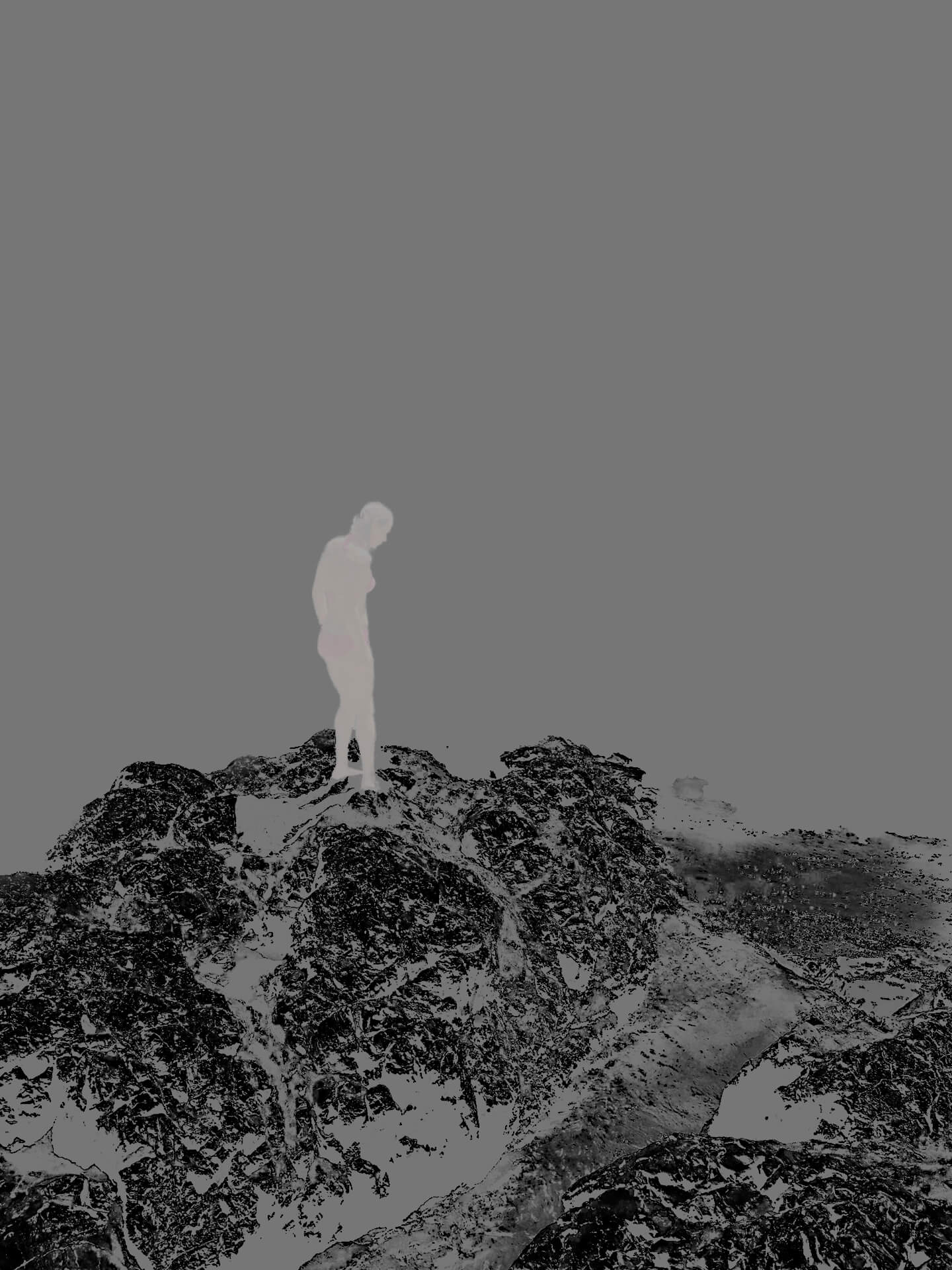
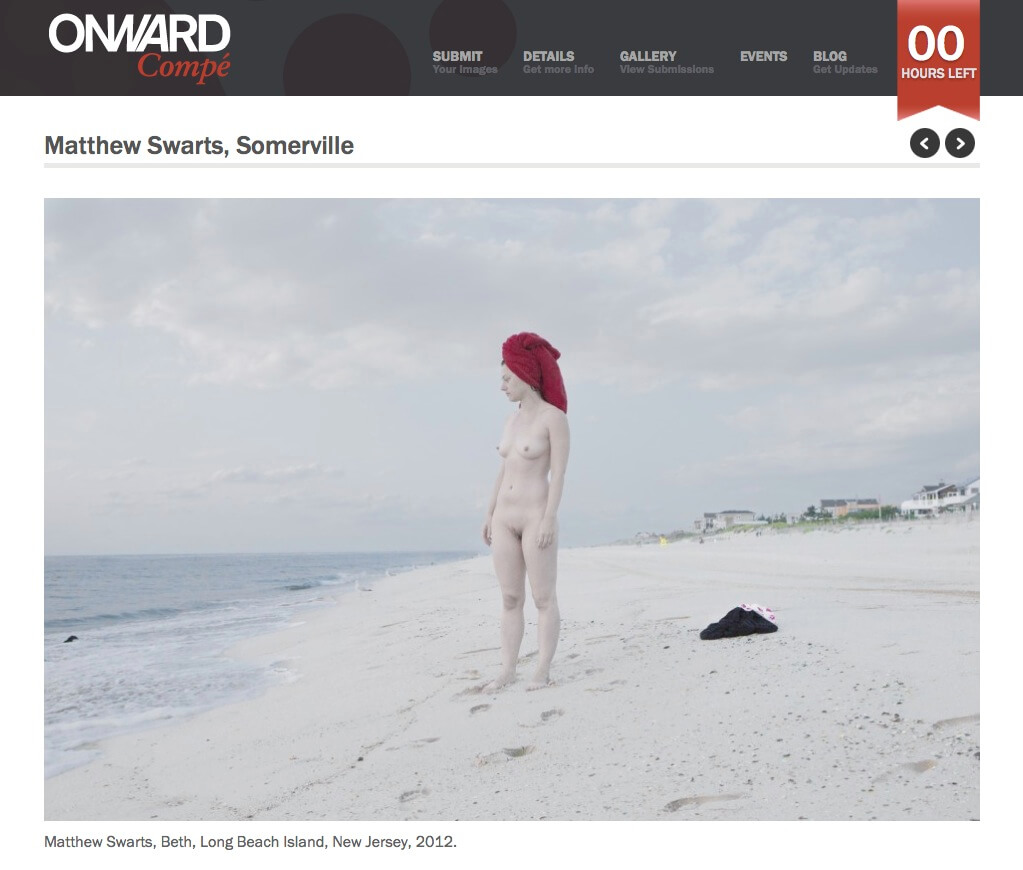
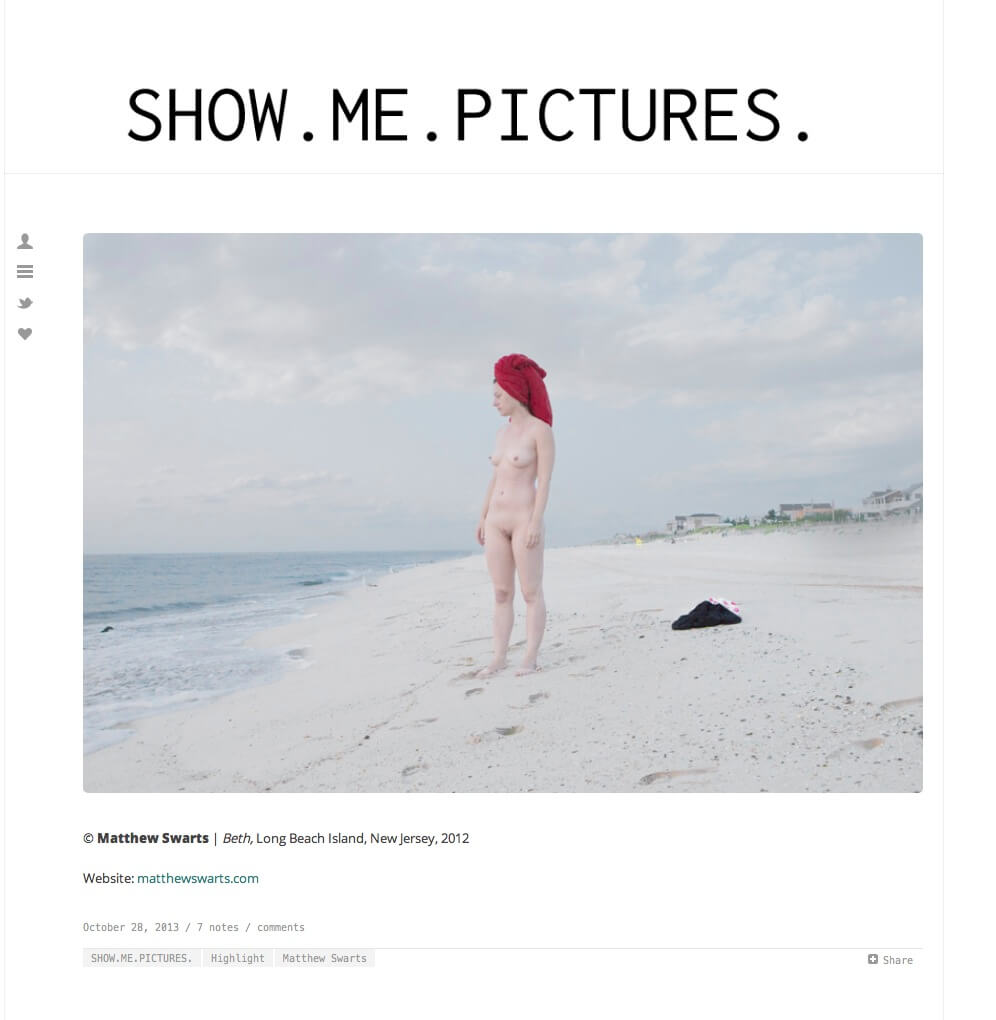
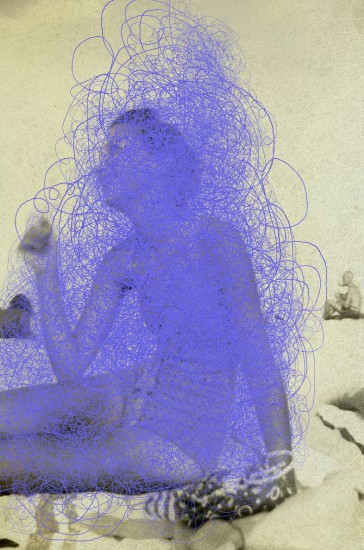
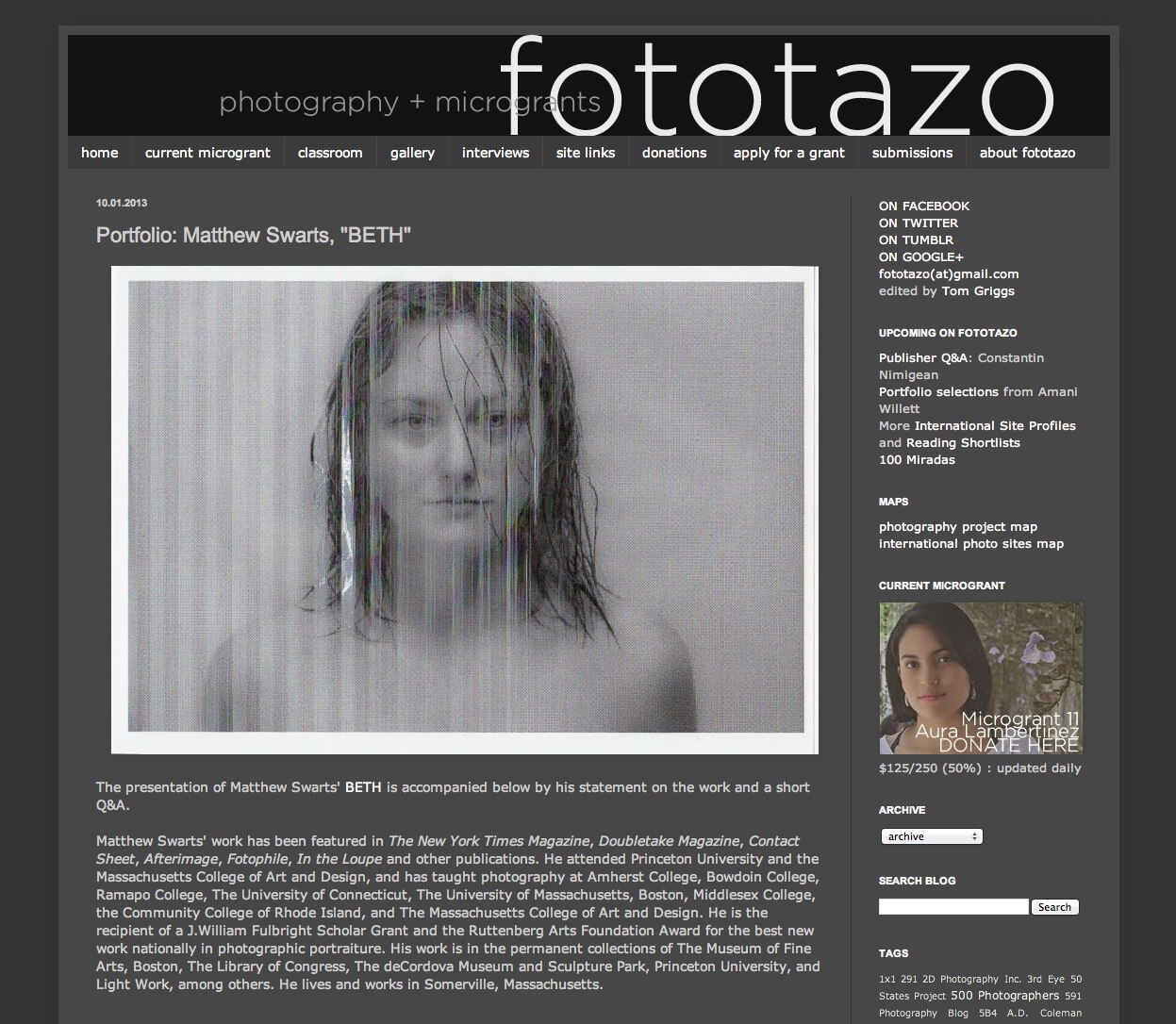
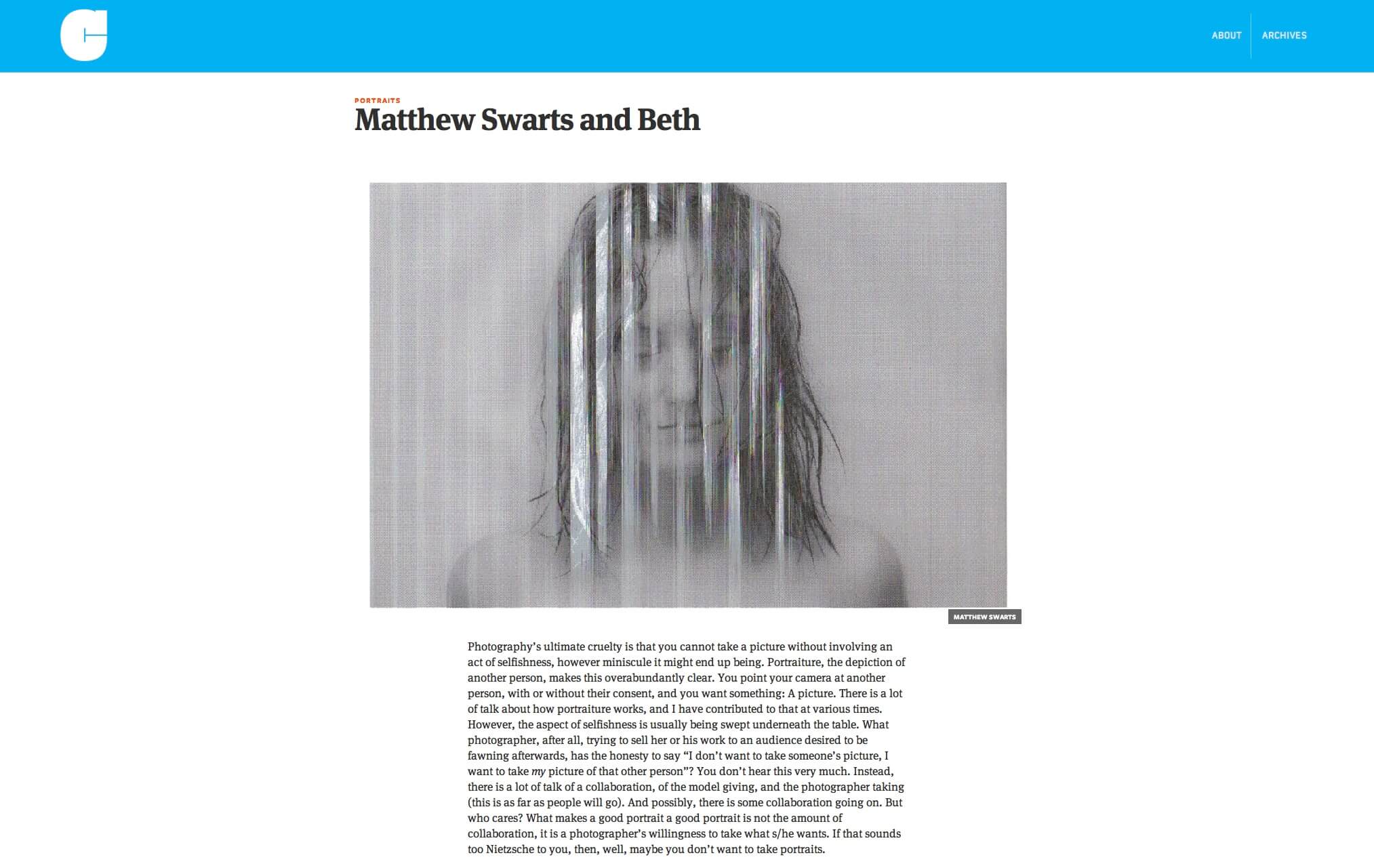
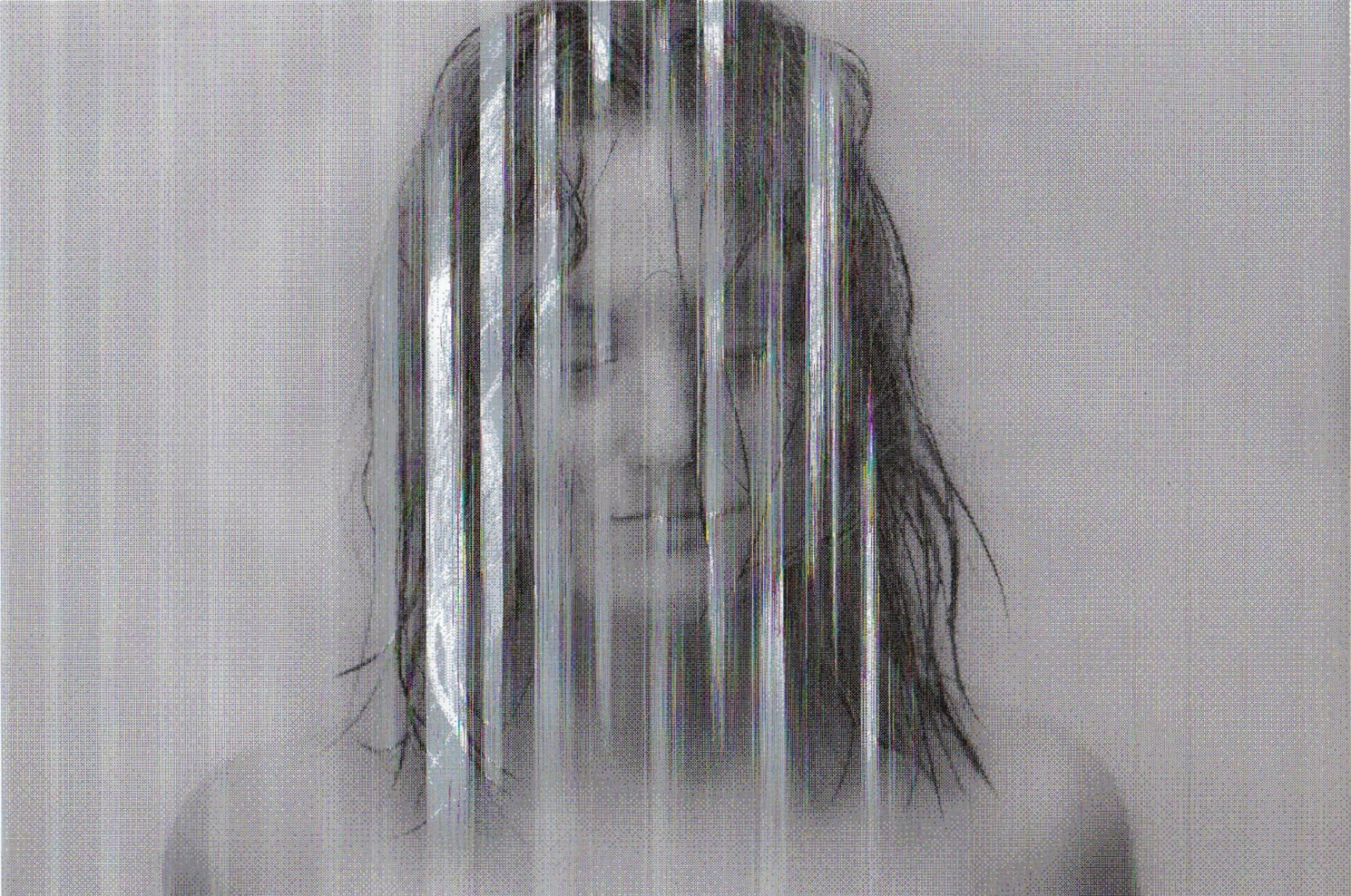
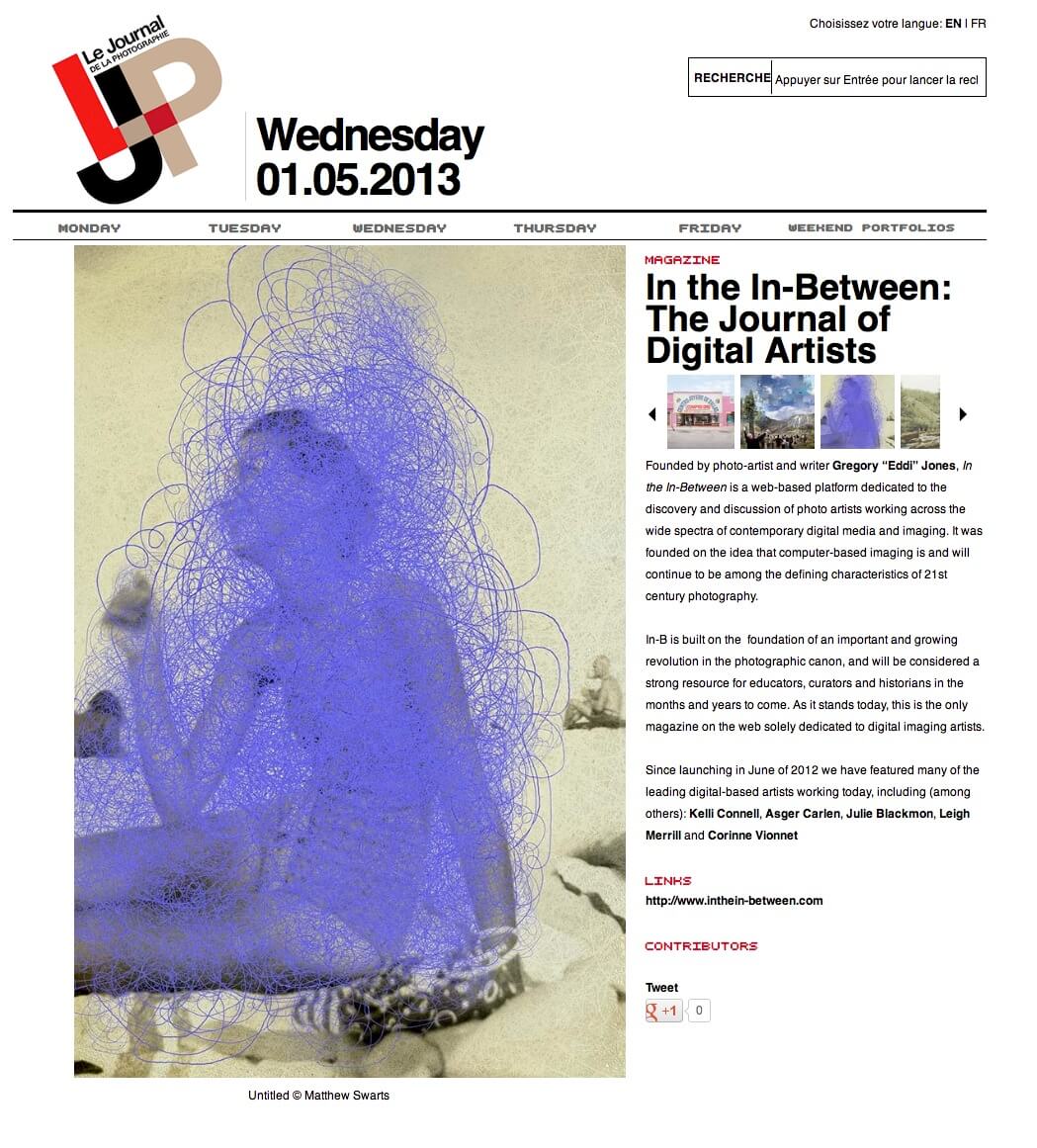
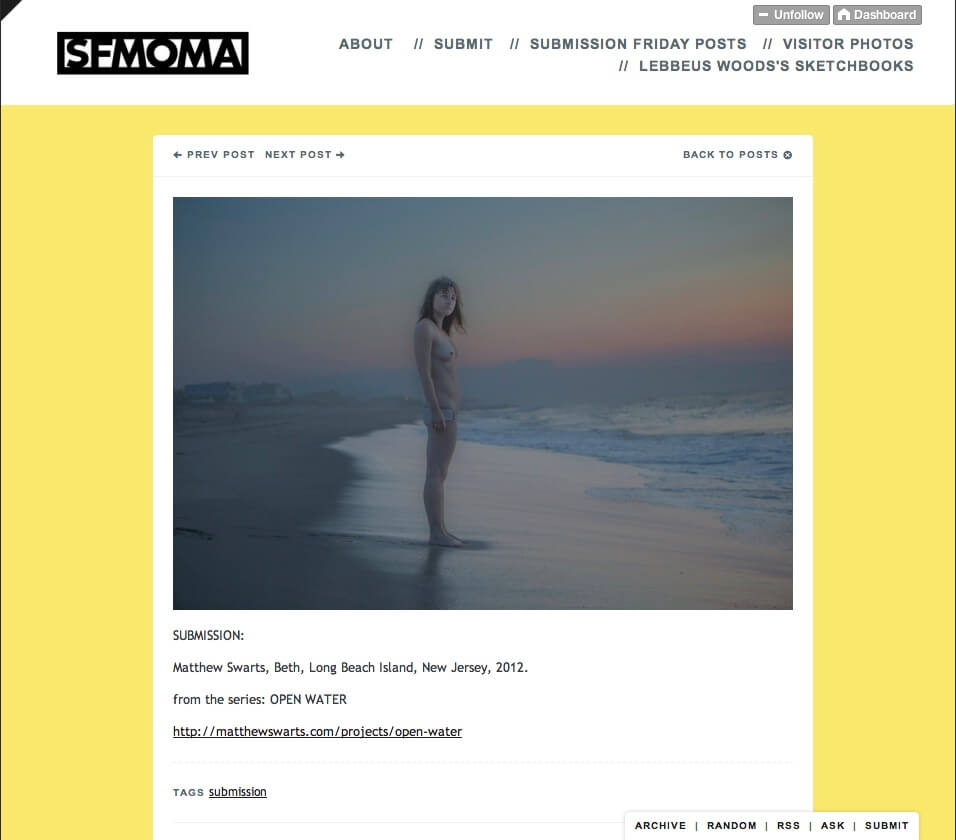
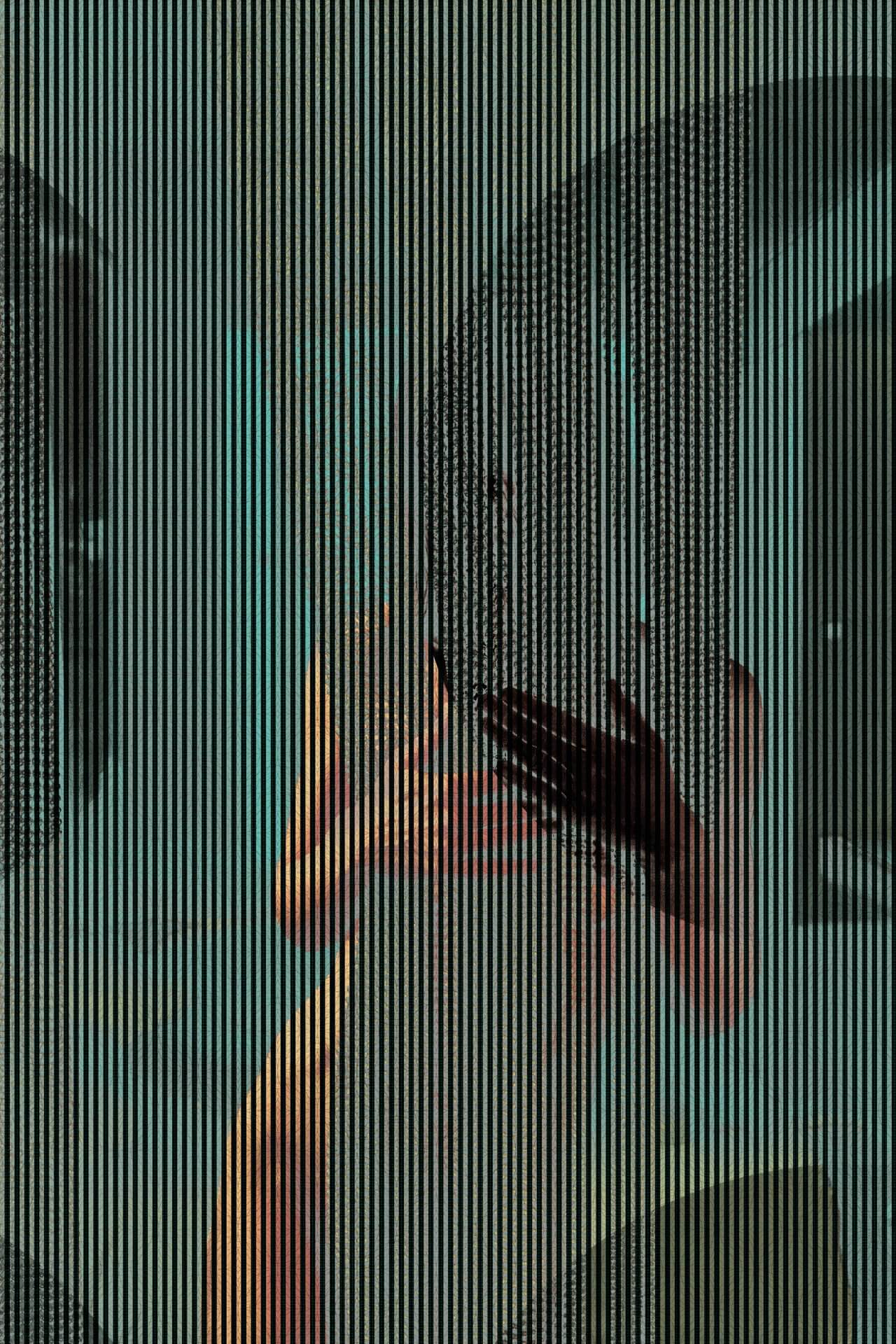
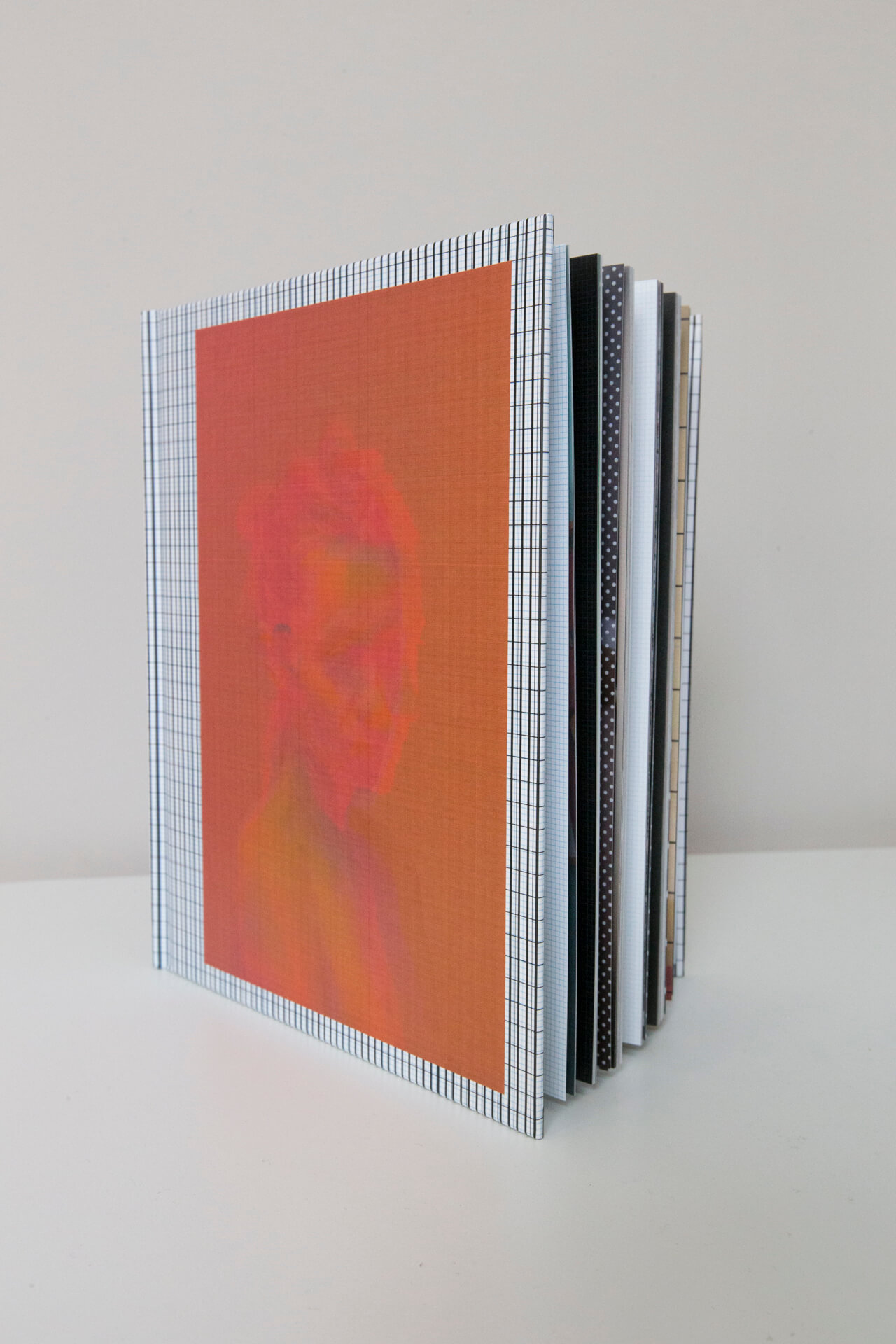
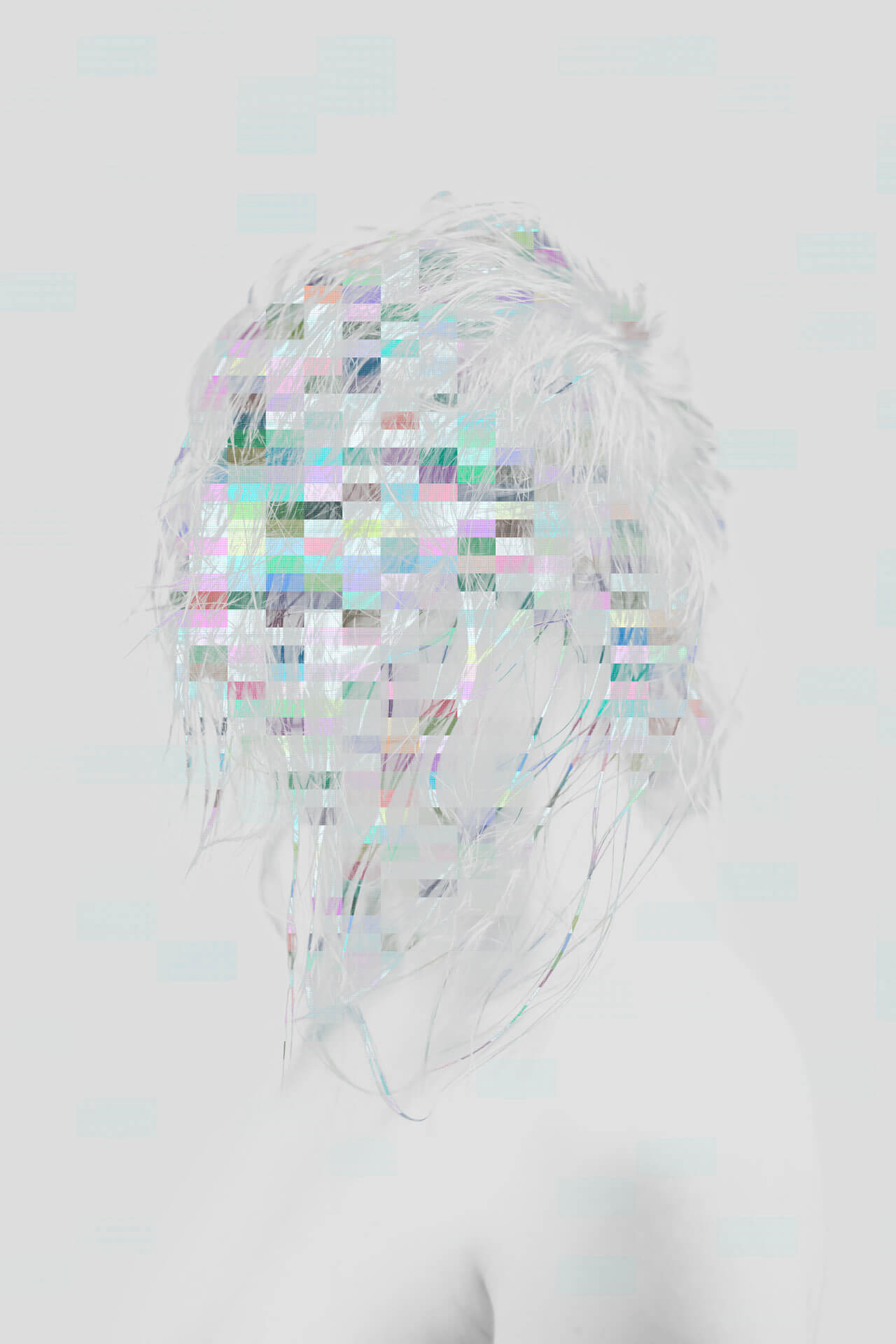
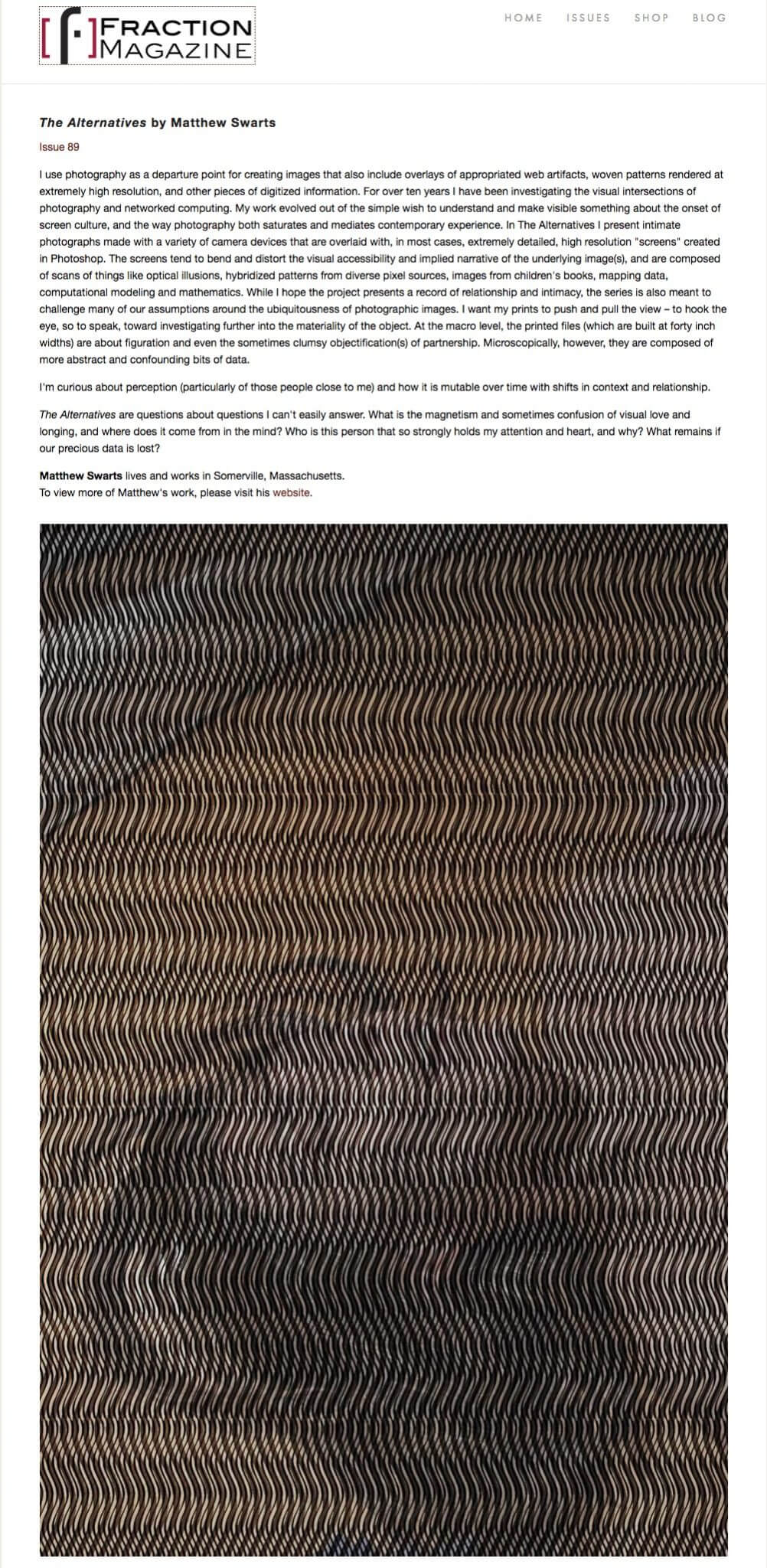
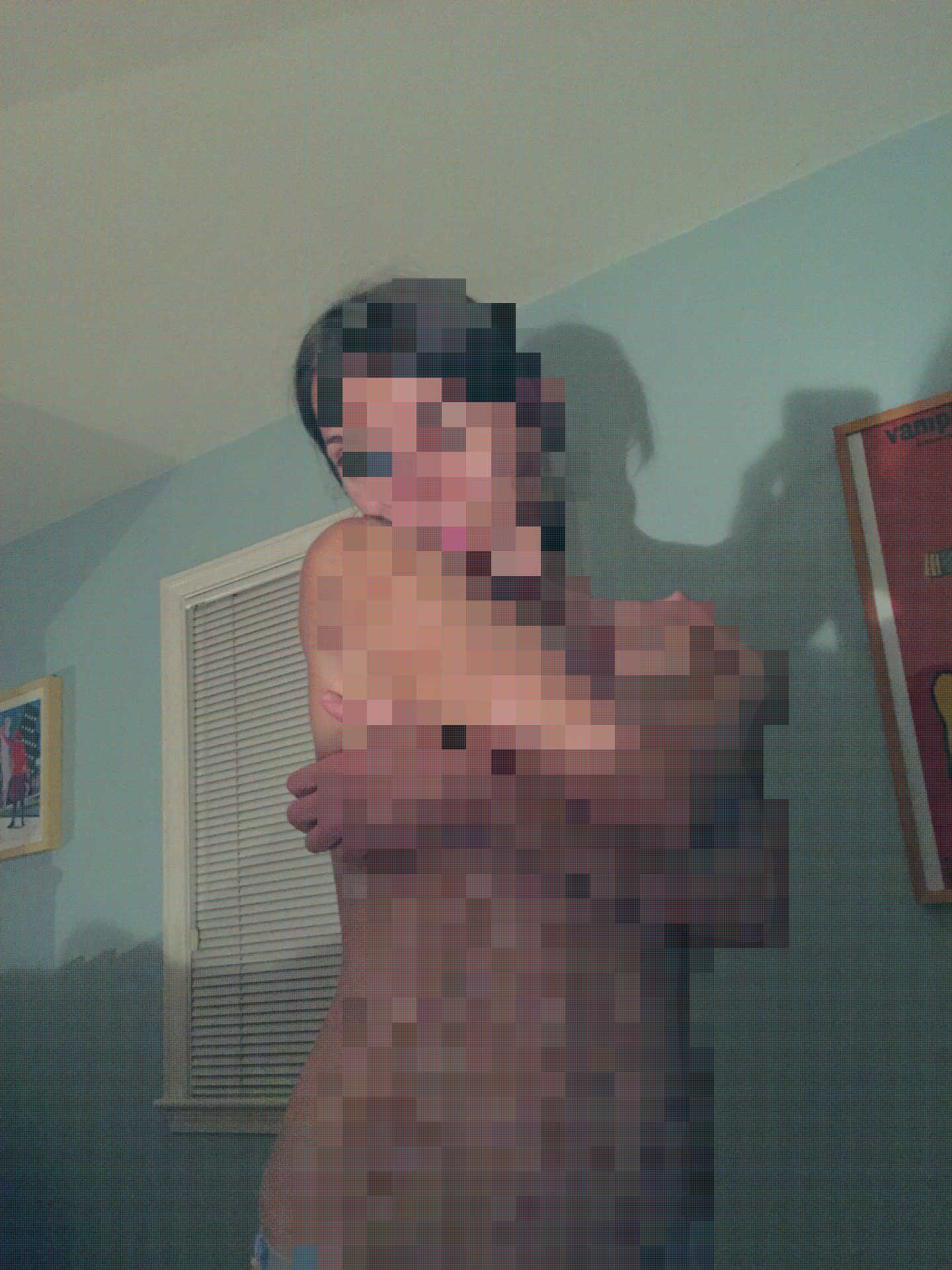
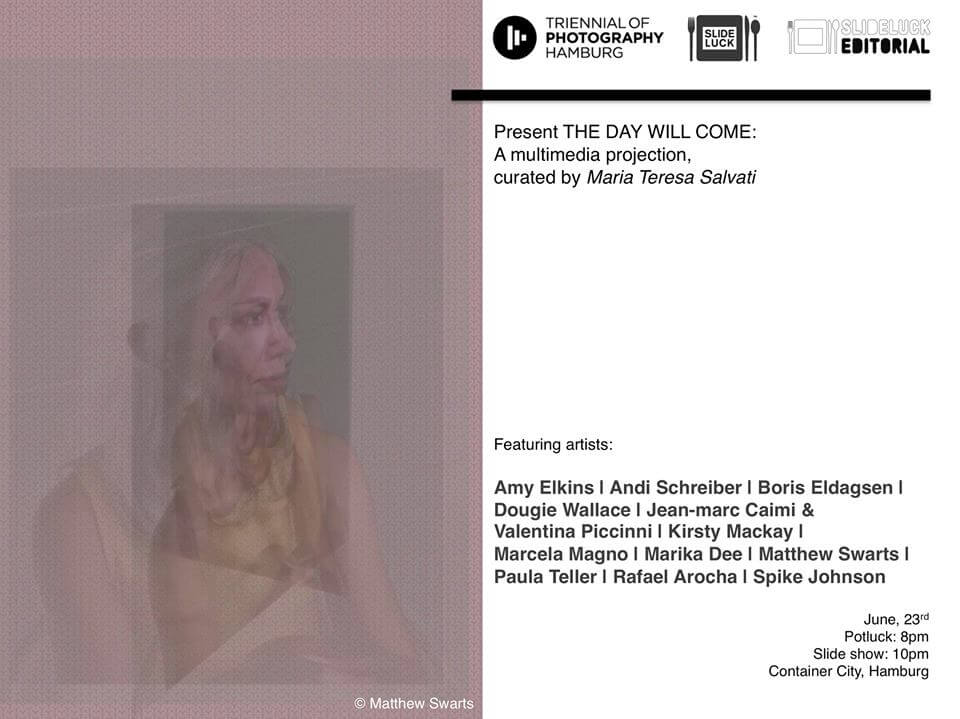
Following the end of a long-term relationship in 2013, Swarts began systematically reworking photographs from his personal archive. The series Beth (2014) features images of his former partner, which Swarts gradually obscures through digital compositing, causing her figure to fade. The Alternatives (2014–2015) emerged after Swarts entered a new relationship in 2014, consisting of composite photographs of his new partner overlaid with dense, vibrating fields of patterns. These patterns derive from varied sources: scientific diagrams, Magic Eye illusions, mathematical graphs, and web-sourced imagery.
According to Wired, the visual effect creates a “psychedelic” experience where the viewer’s eye cannot establish a stable focal point, evoking comparison to 1990s stereograms. Swarts describes the technique as a means of visualizing psychological states; the obscuring layers represent the “perceptual confusion” accompanying loss and the ambiguity of intimate relationships. The large prints (typically 40 x 60 inches) reveal layers of underlying imagery when viewed closely, a deliberate choice to express the multiplicity of emotional registers Swarts navigated during these periods.
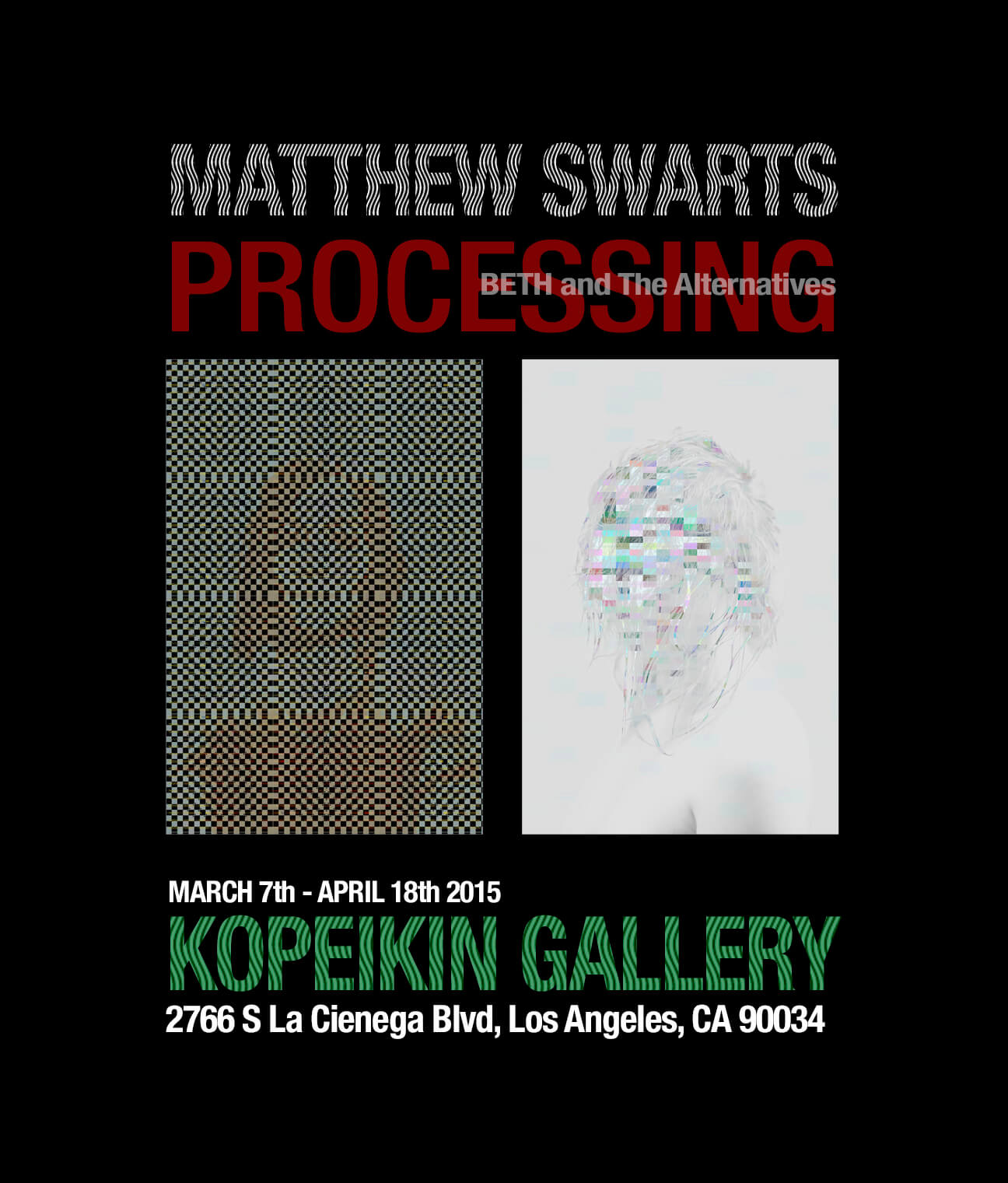
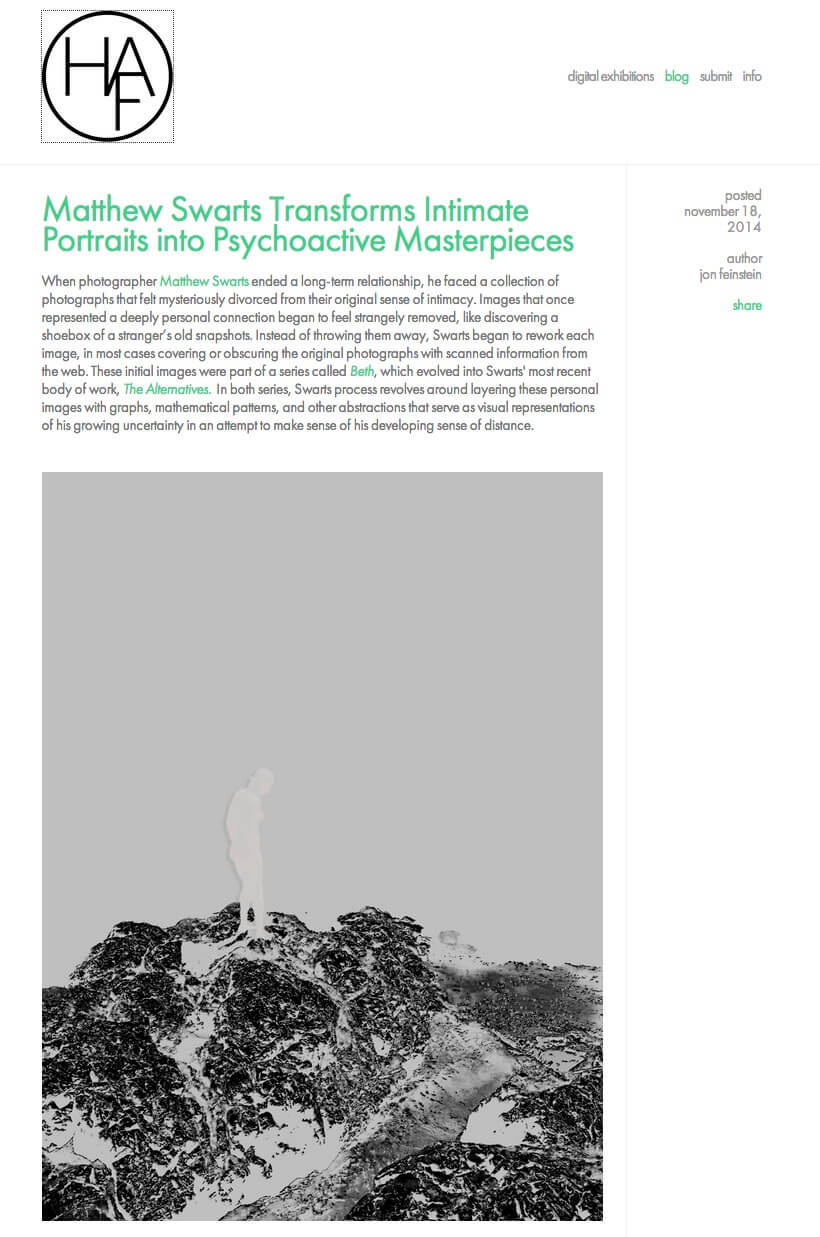
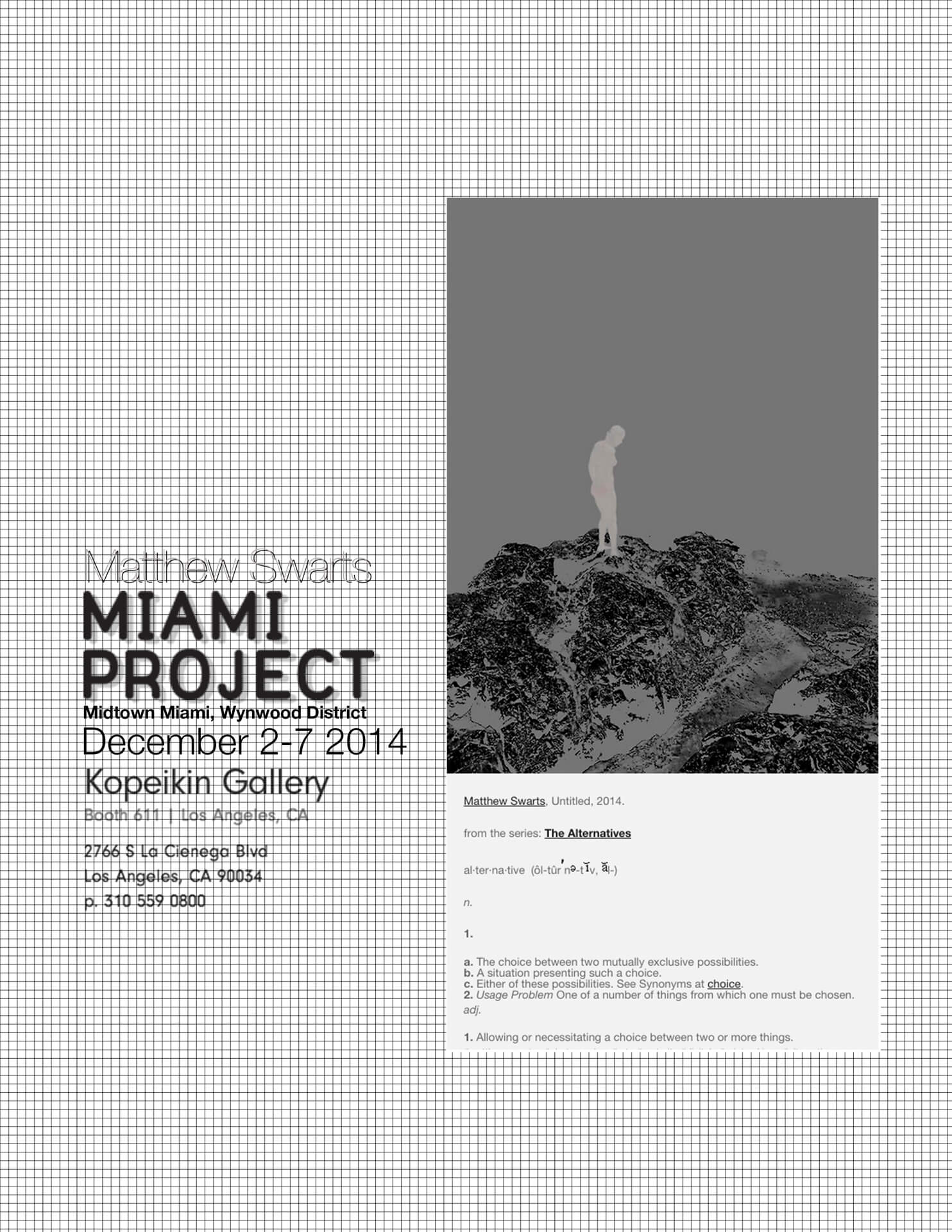
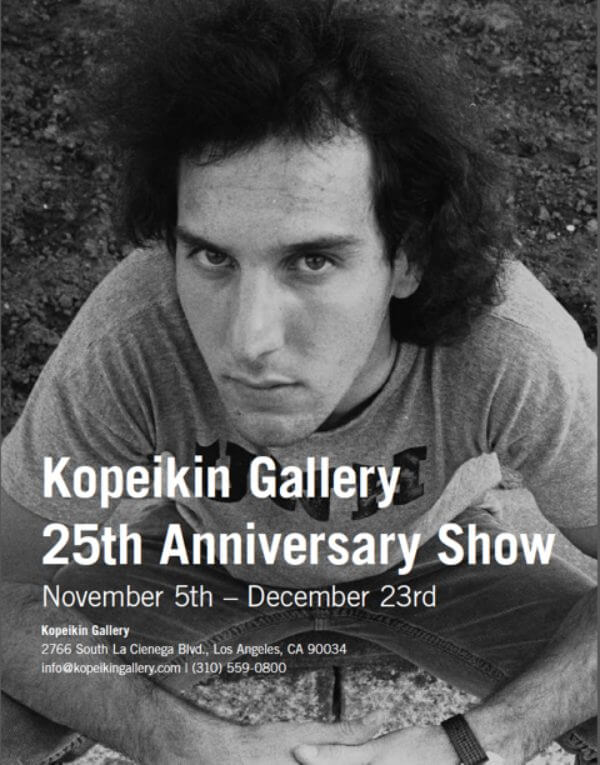
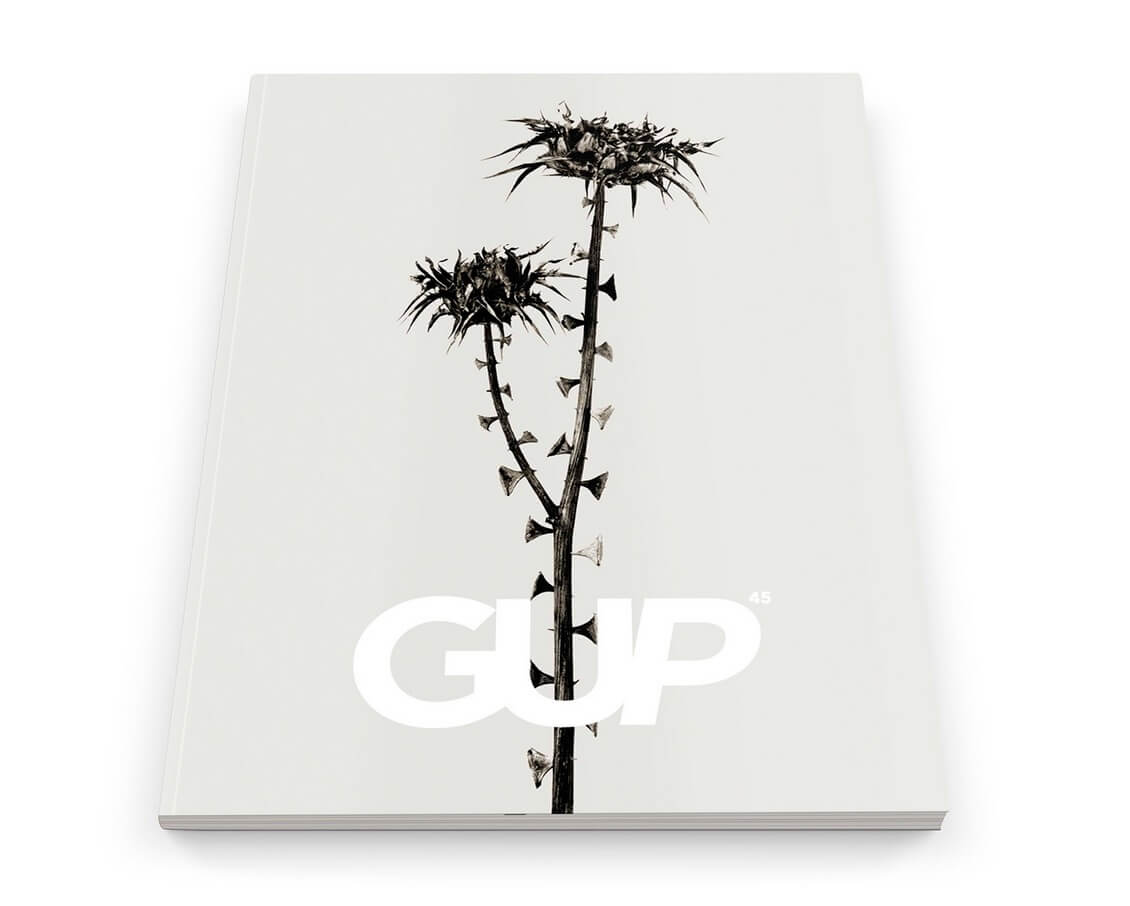
The Alternatives received substantial critical attention following its exhibition at Kopeikin Gallery in Los Angeles (2015). The series was featured in Wired (January 2015), Slate (January 2015), and GUP Magazine. Humble Arts Foundation’s Jon Feinstein described Swarts as having transformed “intimate portraits into psychoactive masterpieces,” a phrase adopted in subsequent critical discourse.
Branches (2021–present)
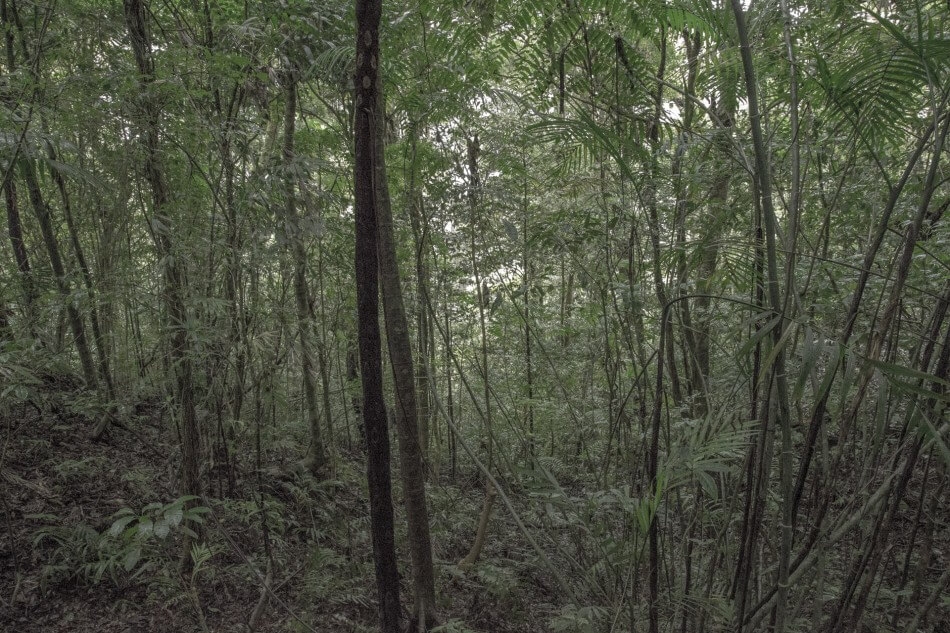
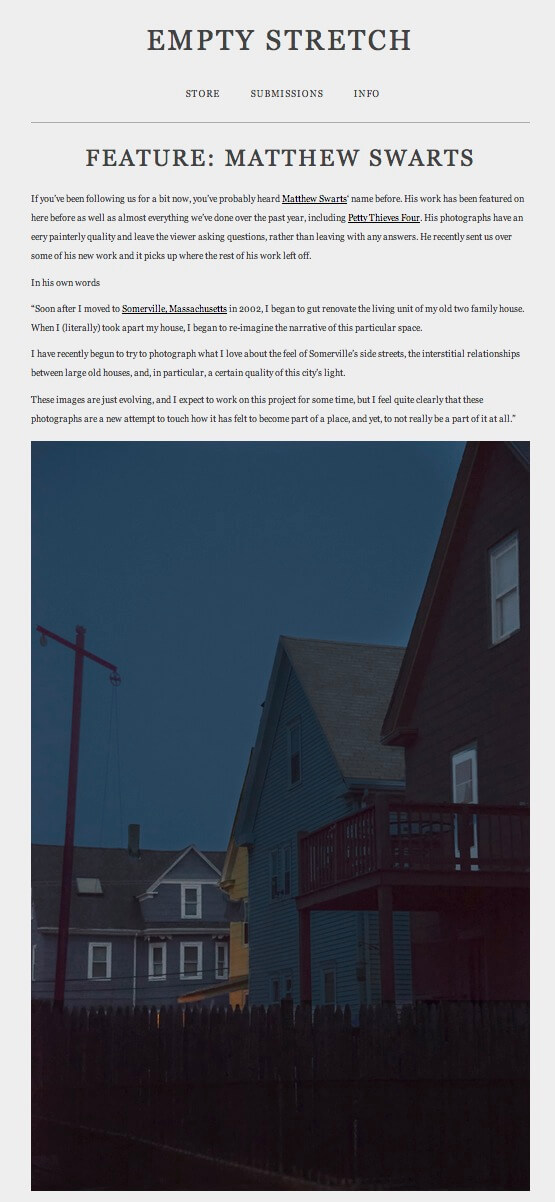
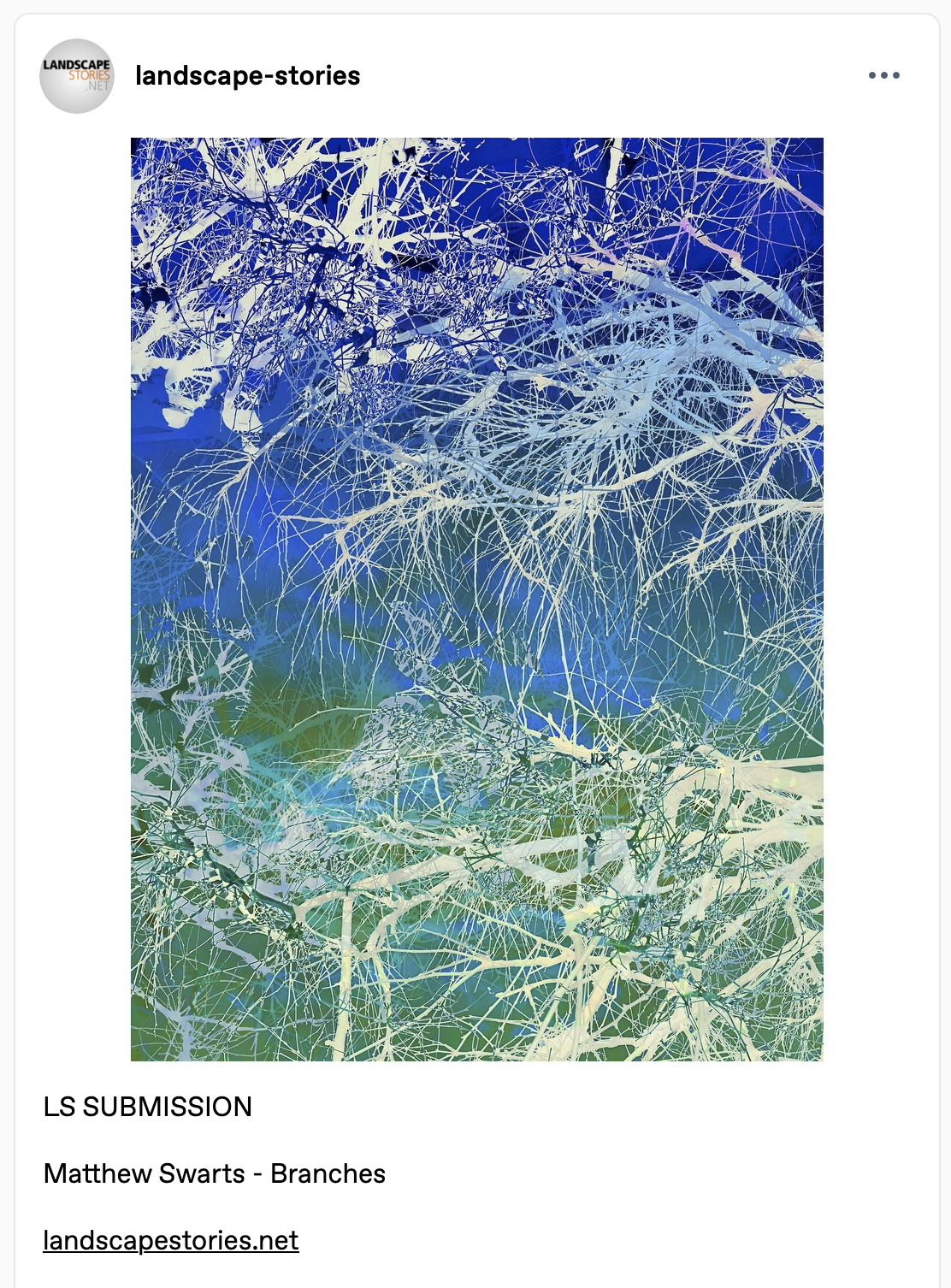
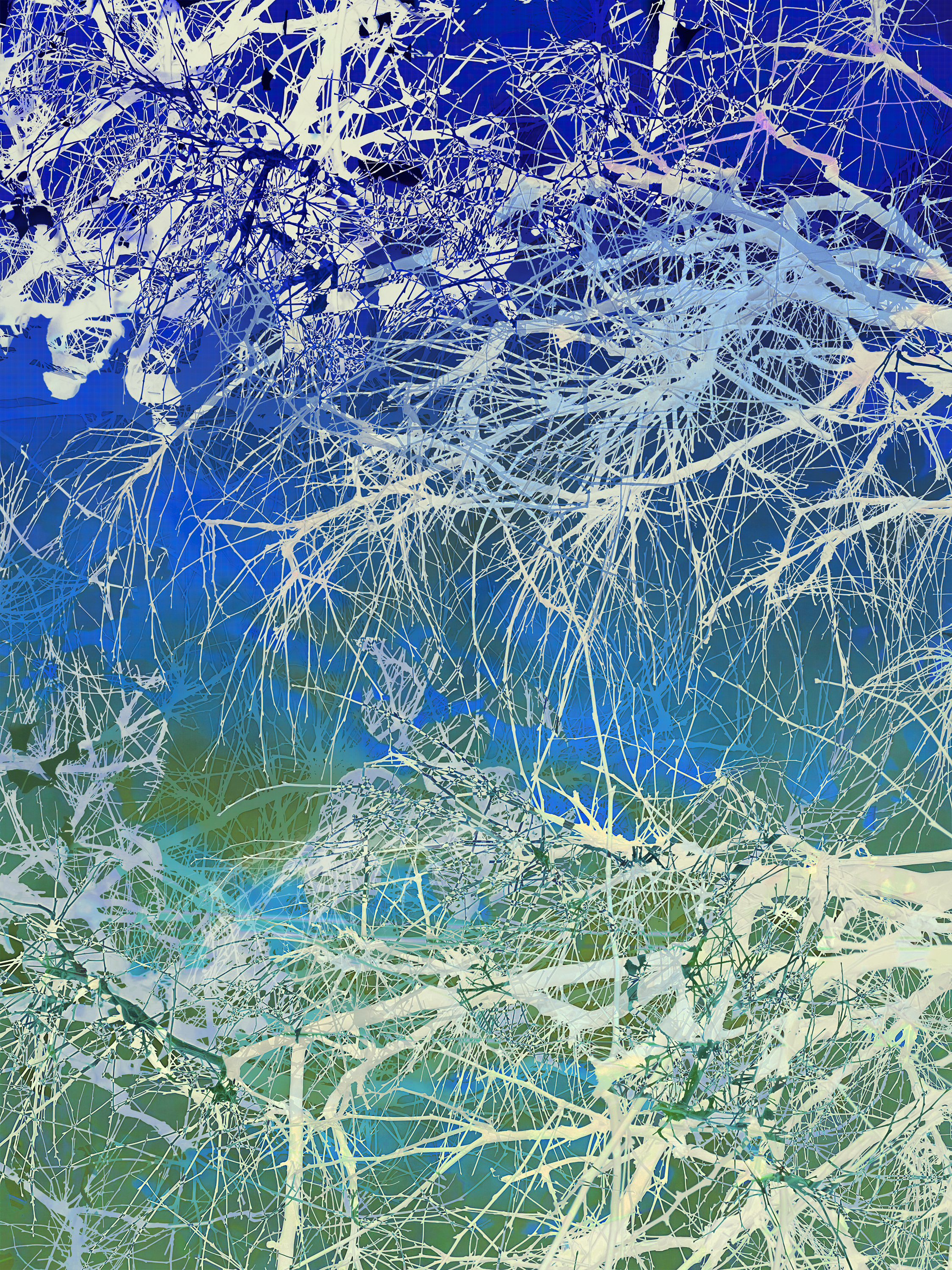
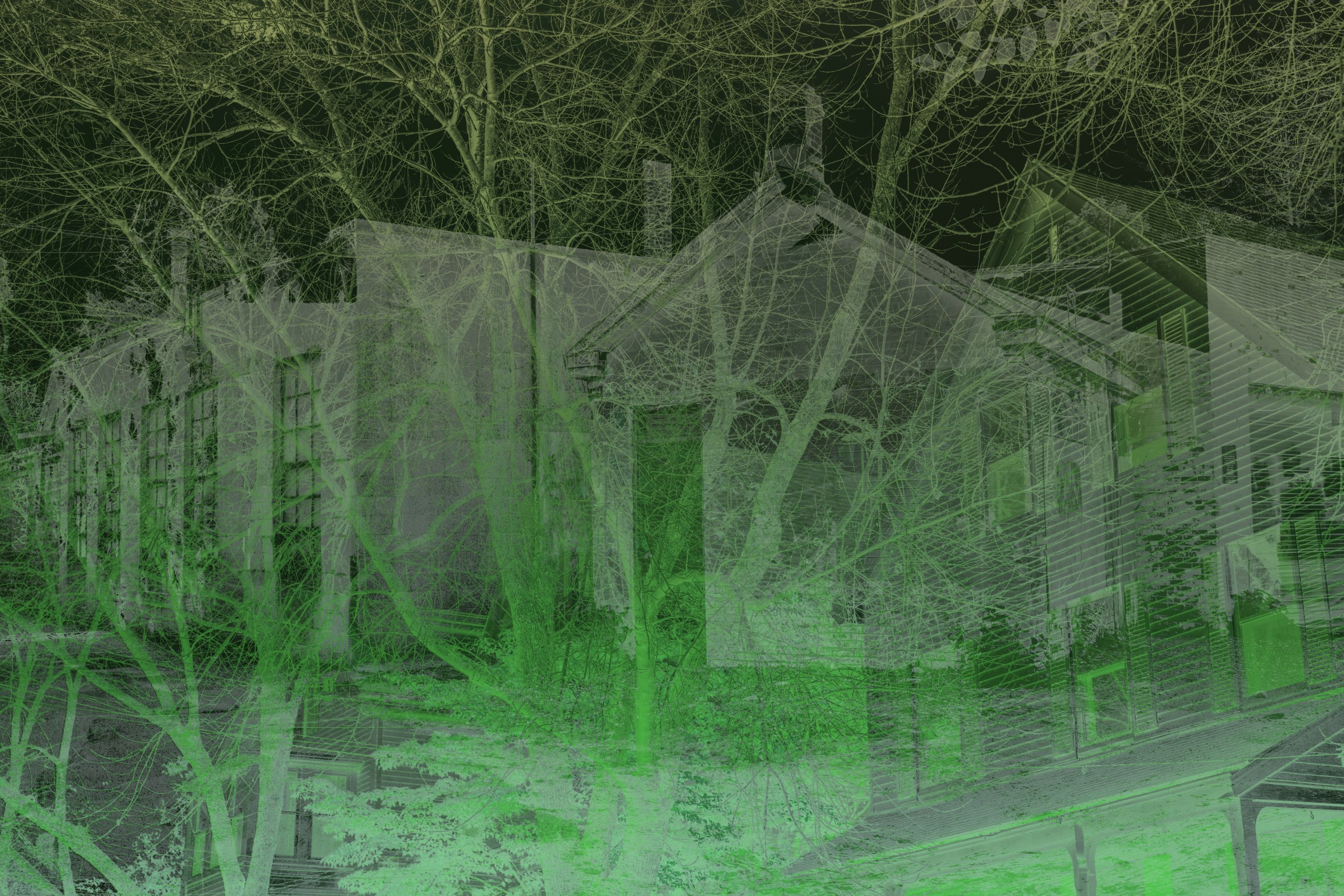
Branches shifts focus from intimate subject matter to the natural world, photographing the fractal complexity of tree limbs and foliage in Somerville and Cambridge, Massachusetts. Produced using high-resolution inkjet printing, these images render botanical structures with hyper-real clarity, approaching abstraction through information density rather than reduction. The visual language parallels earlier works: the chaotic architecture of branches echoes The Alternatives patterns, suggesting structural parallels between natural and digital systems.
Generative AI Projects (2022–present)
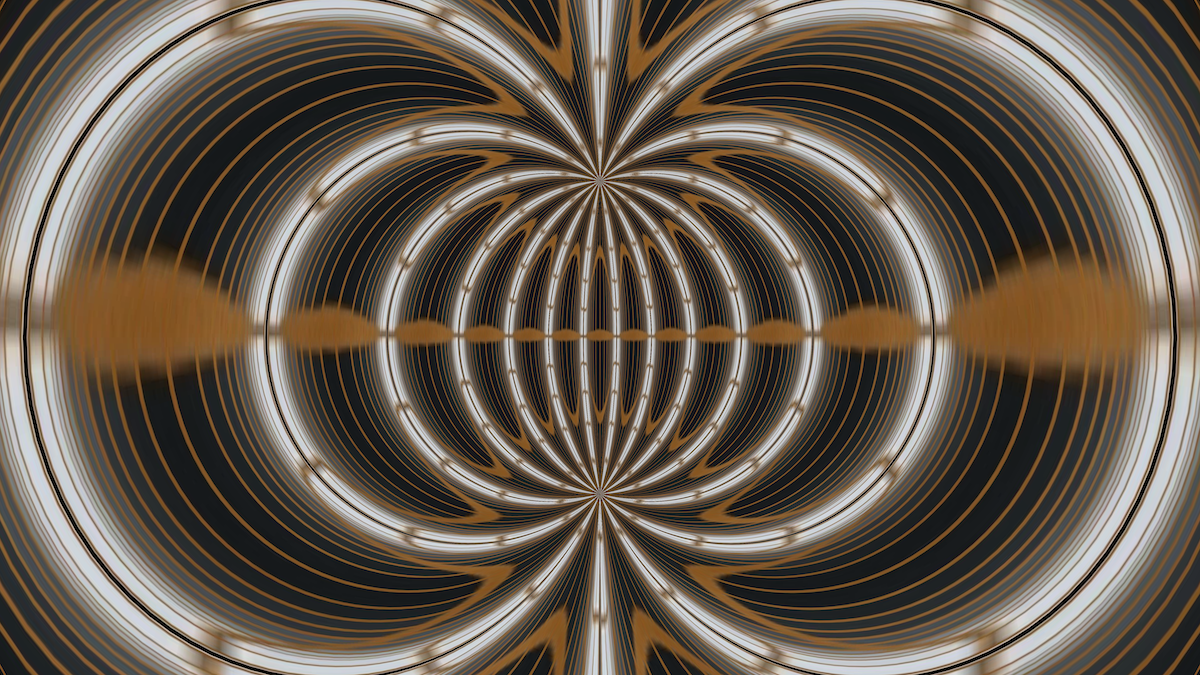
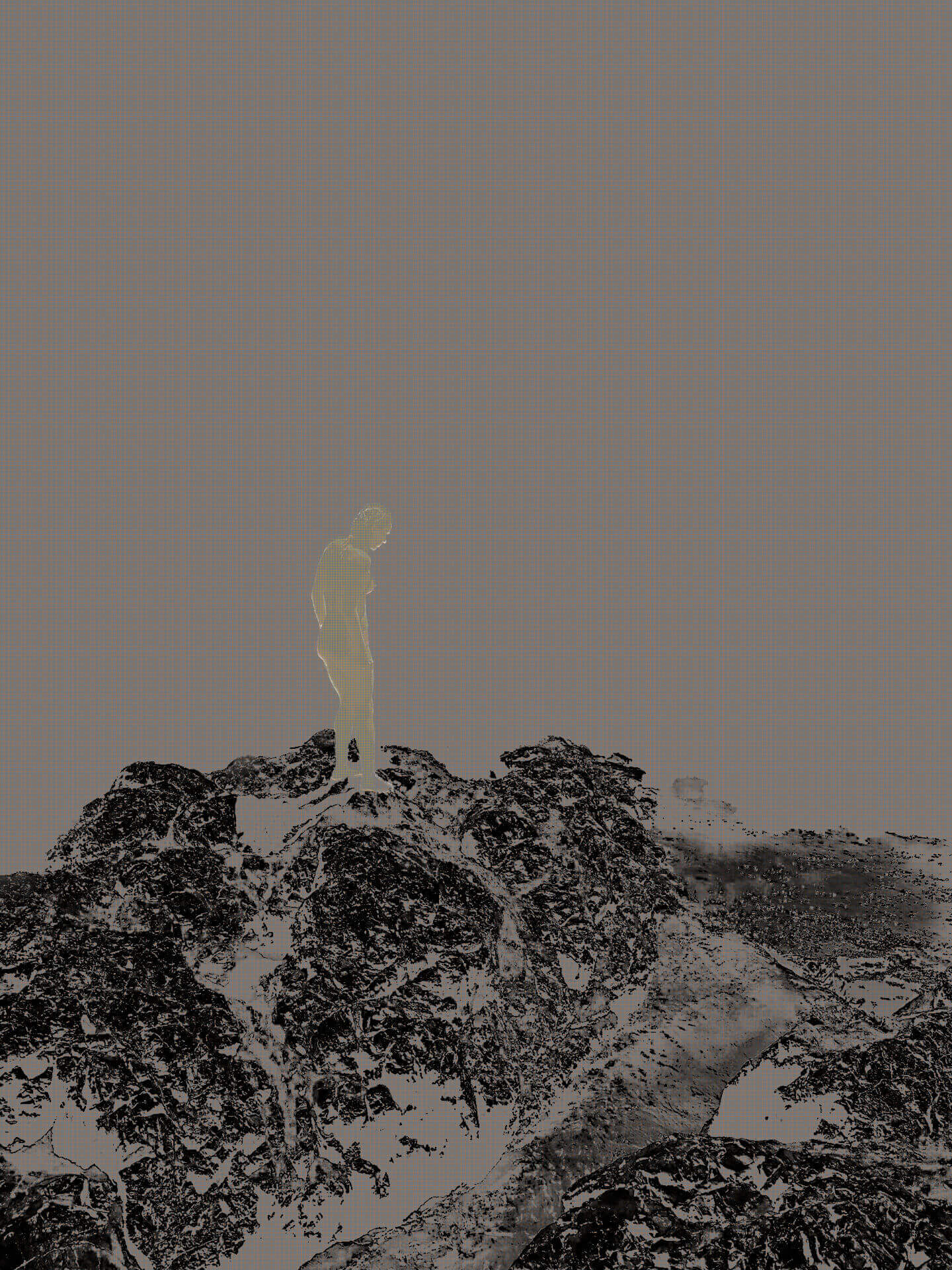
Beginning in 2022, Swarts began exploring generative artificial intelligence as a tool for pattern generation and animation. The project MONARCH (2022) uses algorithmic processes to generate “asymmetrical structures” and animated “still patterns.” Rather than leveraging AI for text-to-image synthesis, Swarts employs it to create high-resolution abstract forms presented as video loops. Works such as FOXTROT (2023), GEOMETRIC (2024), INVERSE (2024), and DIAGRAM (2025) isolate algorithmic pattern as subject matter, extending the perceptual dissonance previously achieved through manual digital compositing.
Institutional Recognition
Swarts is recipient of a J. William Fulbright Scholar Grant and the Ruttenberg Arts Foundation Award for best new work nationally in photographic portraiture. His work appears in the permanent collections of the Museum of Fine Arts, Boston, the Library of Congress, the George Eastman Museum (Rochester, New York), the Museum of Contemporary Photography (Chicago), Transformer Station (Cleveland, Ohio), the deCordova Museum and Sculpture Park (Lincoln, Massachusetts), Light Work (Syracuse, New York), The Princeton University Art Museum, the Polaroid Collection, the Museum of New Art, the Boston Public Library, and Massachusetts College of Art and Design.
Exhibitions and Publications
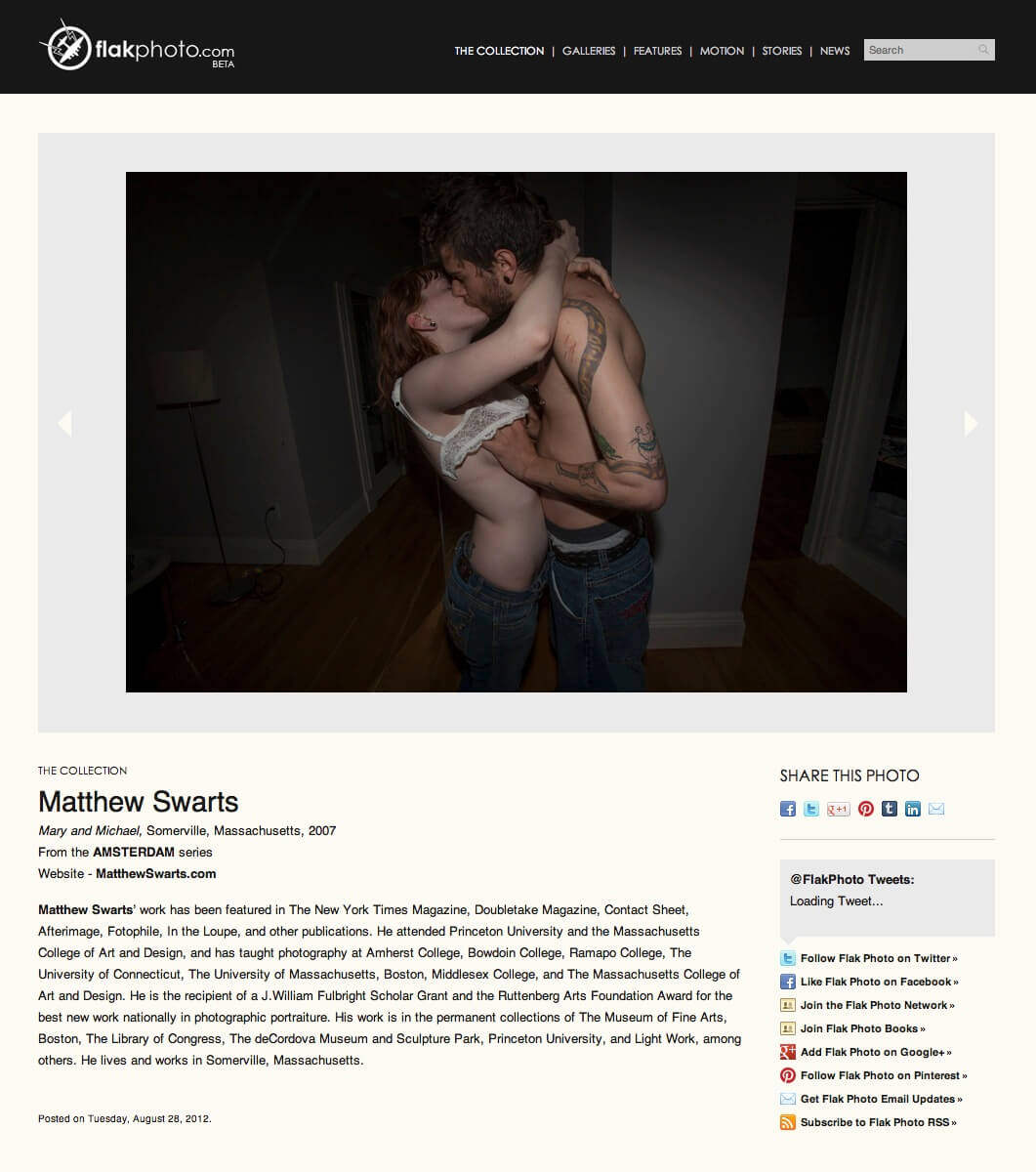
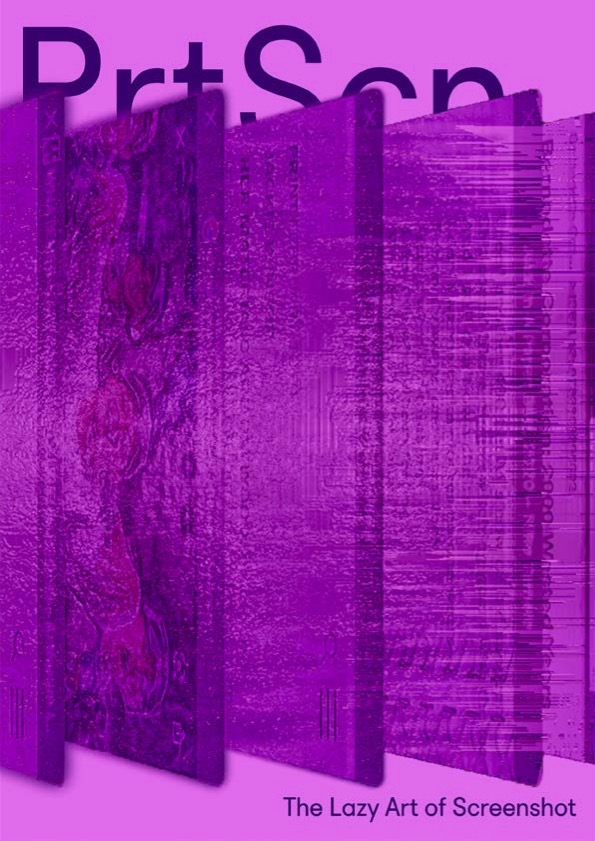
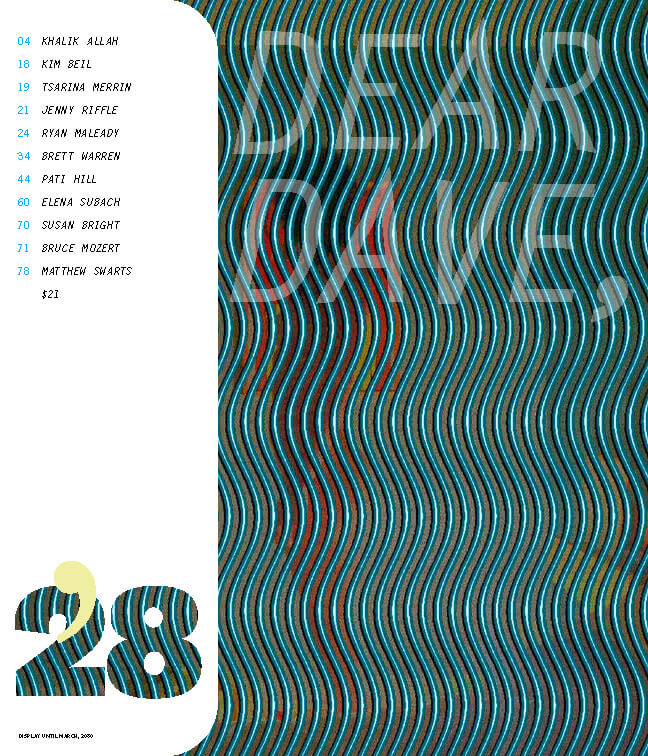
Swarts’s work has appeared in The New York Times Magazine, Wired, Slate, Doubletake, Contact Sheet, Afterimage, GUP Magazine, Flak Photo, Dear Dave, and In the Loupe.
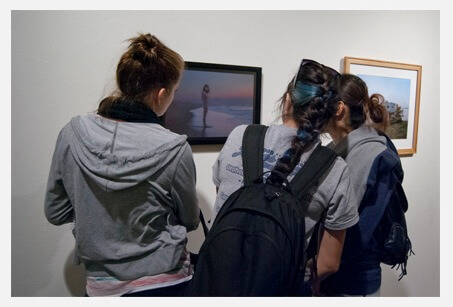
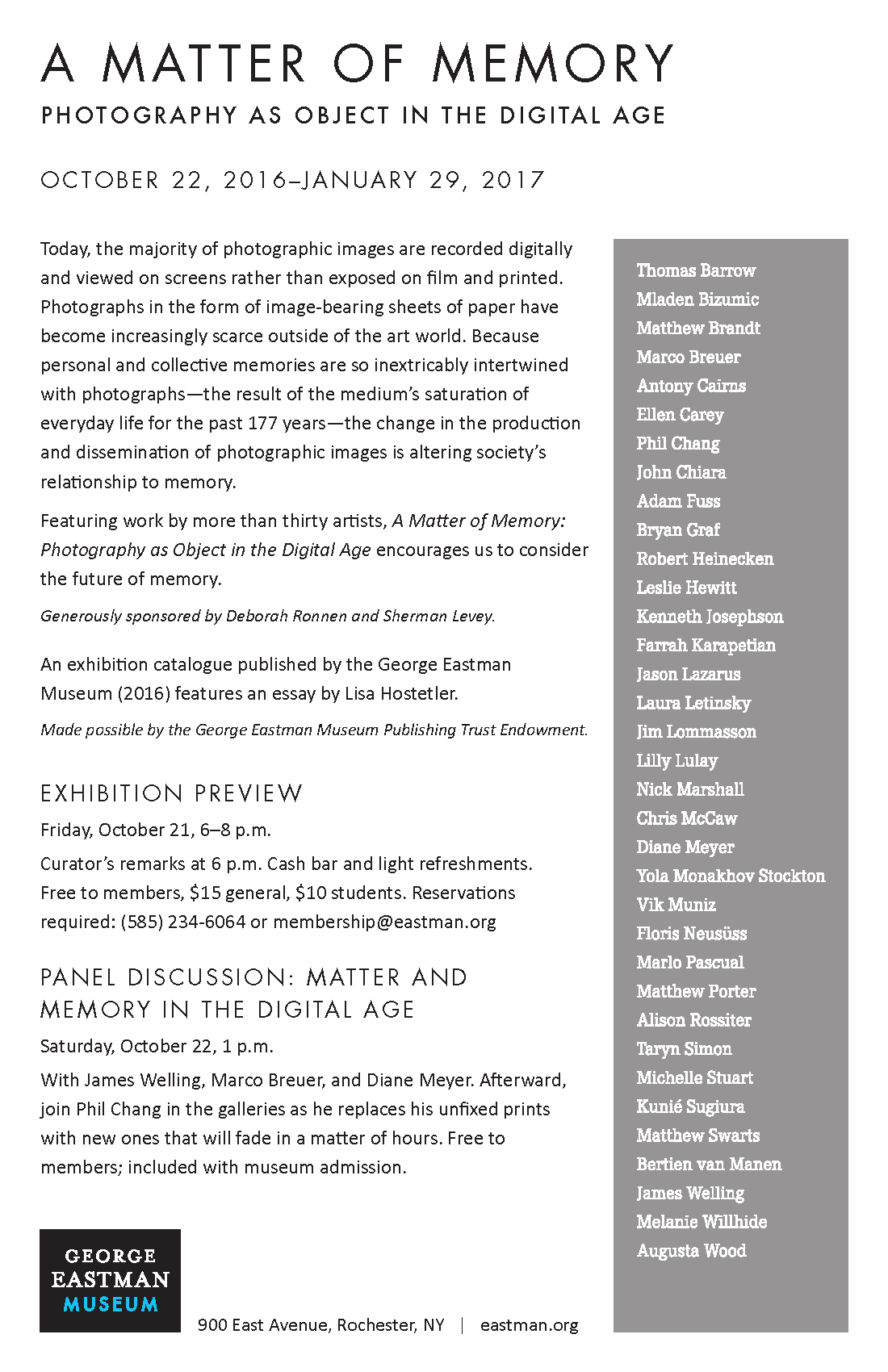
Solo exhibitions include “Beth and The Alternatives” at Kopeikin Gallery, Los Angeles (2015), with additional presentations at the Carpenter Center for the Visual Arts at Harvard University, Massachusetts College of Art and Design, and Hampshire College. His work was included in the group exhibition “A Matter of Memory: Photography as Object in the Digital Age” (2016–2017) at the George Eastman Museum, curated by Lisa Hostetler. Additional institutional presentations include exhibitions at the Museum of Fine Arts, Boston, the deCordova Museum, the Museum of Contemporary Photography, and Light Work.
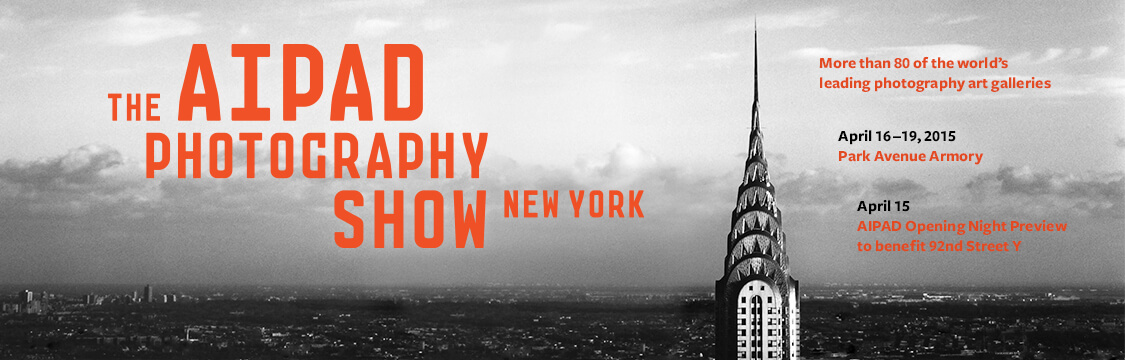
Swarts has participated in major international art fairs, including Miami Project (satellite of Art Basel Miami Beach), 2014–2015, Pulse Miami Beach (2016), AIPAD (New York), and the Seattle Art Fair. His work circulated through curated exhibitions in China, the Netherlands, Germany, Poland, and France, including participation in “The Relationship Show: China Edition.”
References
- Hostetler, Lisa (2016). A Matter of Memory: Photography as Object in the Digital Age. George Eastman Museum. pp. 160–163. ISBN 9780935398182.
- Salas, Alexis (2005). “”Fiction as a Higher Truth: The Photography of MATTHEW SWARTS””. CONTACT SHEET. 132 (The Light Work Annual).
- October Matthews, Katherine (2015). “Alternatives: An Interview with MATTHEW SWARTS”. GUP Magazine (45).
- Saint Louis, Catherine (September 10, 2000). “WHAT THEY WERE THINKING: Karen Edna Wallstein, Campbell Village, USA., Copake, NY”. The New York Times Magazine.
- Schiller, Jakob (January 28, 2015). “An Artist Copes With a Breakup by Erasing His Ex in Photoshop”. WIRED Magazine.
- Frailey, Stephen (2022). “MATTHEW SWARTS”. DEAR DAVE, (28): Cover, interior feature.
- Swarts, Matthew. Museum of Fine Arts, Boston
- Swarts, Matthew. “Children with Cancer”. The Library of Congress.
- Rosenberg, David. “This Photographer’s Creative Way of Processing a Relationship”. SLATE.com. SLATE.
- Feinstein, Jon. “MATTHEW SWARTS Transforms Intimate Portraits into Psychoactive Masterpieces”. Humble Arts Foundation. Humble Arts Foundation.
- Fulbright Scholar List Archive. Fulbright Scholar Program.
- Coles, Robert (1998). “A Witness to Courage”. DOUBLETAKE (Spring 1998).
- Kopeikin, Paul. “MATTHEW SWARTS Beth and the Alternatives”.
- Matthew Swarts: American Digital Artist and Photographer, Perplexity.ai






![MATTHEW SWARTS MATTHEW SWARTS + GRIFFIN MUSEUM OF PHOTOGRAPHY + [PHOTO]GOGUES 2015 MATTHEW SWARTS GRIFFIN MUSEUM OF PHOTOGRAPHY](https://matthewswarts.org/wp-content/uploads/2015/03/matthew-swarts-griffin-museum-of-photography.jpg "MATTHEW SWARTS - ABOUT MATTHEW SWARTS MATTHEW SWARTS GRIFFIN MUSEUM OF PHOTOGRAPHY")